





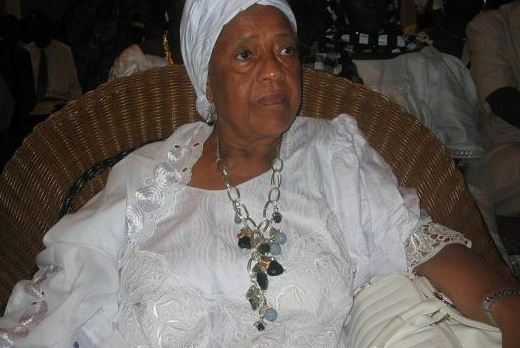
The plight of former first ladies of African nations emerged as a central theme during a poignant conference held in Conakry, Guinea. These women, once prominent figures on the political stage, described a shared experience of systemic neglect and abandonment after their husbands left office or passed away. Their stories painted a stark picture of lost resources, diminished dignity, and a descent into obscurity, underscoring a pressing issue that demands urgent attention and redress. The conference served as a platform to launch the Former Presidents’ Wives Coalition, an initiative aimed at regaining their rightful place in society and ensuring their legacies are preserved.
Leading the charge was Andre Toure, widow of Guinea’s late President Sekou Toure. She articulated the coalition’s primary goals: to combat the stigma and disregard faced by former first ladies, to advocate for their dignity and respect within society, and to create a lasting historical narrative that honors their contributions. A key element of this endeavor involves establishing a dedicated museum to document and showcase the lives and legacies of these women, ensuring their stories are not erased from history. This museum would serve as a testament to their significant roles in shaping their respective nations, counteracting the prevailing narrative of insignificance often imposed upon them after their husbands’ departure from power.
The vision driving the coalition resonated deeply with other former first ladies present at the conference, including Fatmata Momoh of Sierra Leone and Isabel Vieira of Guinea-Bissau. Their collective experiences underscored a disturbing pattern of abandonment and dispossession, where women who once occupied esteemed positions found themselves stripped of their resources and relegated to the margins of society. This shared narrative of hardship fueled their determination to challenge the status quo and reclaim their rightful recognition. They emphasized that they are not merely figures of the past but individuals who played integral roles in their nations’ histories, deserving of respect and acknowledgement. Their current predicament, marked by indifference and disrespect, stands in stark contrast to the contributions they made during their time in the public eye.
The conference also highlighted the struggles faced by the widow of the late President Samuel Kedo, whose story further exemplified the systemic nature of the neglect experienced by former first ladies. While the coalition had faced challenges in the past, including waning momentum due to disappointments and lack of sustained support, the renewed commitment of these women signaled a revitalized effort to empower their members and advocate for their rights. Their determination to overcome past obstacles underscored the urgency of their mission and their unwavering belief in the importance of their collective voice.
To amplify their message and broaden their reach, the coalition plans to embark on a tour across African nations. This initiative aims to connect with other former first ladies, build solidarity, and garner support for their cause. They also intend to engage with international partners, governments, and civil society organizations, seeking recognition for the vital roles these women have played and advocating for support for initiatives that promote a more equitable and dignified existence for former first ladies throughout Africa. This outreach underscores the coalition’s understanding that addressing this issue requires a multifaceted approach involving both regional and international collaboration.
The overarching goal of the Former Presidents’ Wives Coalition extends beyond advocating for the individual well-being of its members. It represents a broader movement to reshape the narrative surrounding women in leadership roles across the continent. Their journey is a collective effort to ensure that the sacrifices and contributions of these women are not only recognized but also preserved for future generations. By documenting their stories, establishing a museum dedicated to their legacies, and advocating for their rights, the coalition seeks to create a lasting impact, ensuring that the significant roles played by these women are not forgotten but rather become an integral part of the historical record. Their fight is not simply for personal recognition but for a fundamental shift in how African societies value and respect the contributions of women who have held positions of influence. It is a struggle for historical accuracy, for societal justice, and for the empowerment of future generations of women leaders.








