





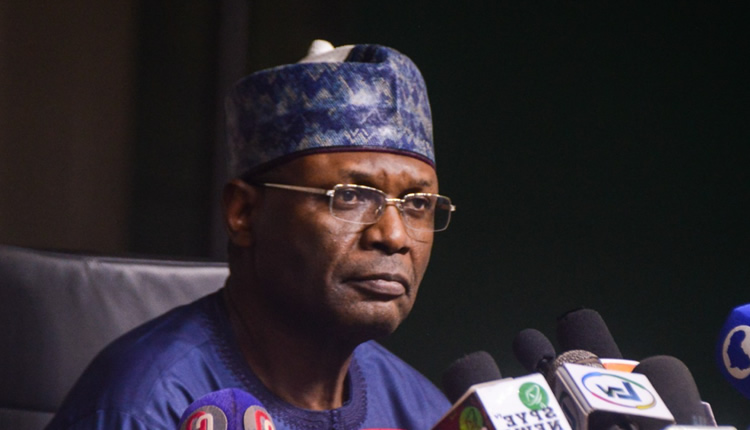
The Independent National Electoral Commission (INEC) has sparked controversy with its proposed ₦126 billion budget for 2025, a year without scheduled elections. This substantial request has drawn criticism, particularly from former Senator Abubakar Yusuf, who deems it excessive and questions the justification for such a large sum in a non-election year. Yusuf argues that INEC’s inefficiency in managing political parties and overseeing primary elections contributes to unnecessary litigation and inflated costs, ultimately driving up the commission’s budgetary needs. He contends that stricter oversight of political parties, ensuring transparent and fair primaries, could drastically reduce election-related expenses. Furthermore, he criticizes INEC’s practice of budgeting before planning, arguing it fosters resource misuse. Yusuf asserts that a more efficient, proactive approach to managing political parties would significantly lower INEC’s financial requirements. He questions the need for such a large budget when INEC’s core responsibilities in a non-election year are primarily administrative and preparatory.
Yusuf’s critique extends beyond INEC’s budgetary practices to encompass broader governance issues, particularly the fight against corruption. He criticizes the Economic and Financial Crimes Commission (EFCC) for prioritizing prosecution and recovery of stolen funds over preventative measures. He argues that this reactive approach has proven largely ineffective, citing the meager $52 million recovered out of an alleged $2.5 billion in looted funds. Yusuf accuses the EFCC and the government of neglecting the role of the banking system in facilitating financial crimes, emphasizing the need for stricter regulations to prevent illicit financial flows. He believes that focusing on prevention would significantly reduce the incidence of corruption and the subsequent need for costly investigations and prosecutions.
The senator also challenges the conditions imposed by foreign nations on the use of recovered looted funds, arguing that such funds should be deposited directly into Nigeria’s federation account and utilized at the government’s discretion. He views the involvement of external entities like the World Bank in managing these funds as an infringement on Nigeria’s sovereignty and a reflection of a lack of trust in the country’s governance. Yusuf advocates for greater autonomy in managing recovered assets, stressing the importance of utilizing these funds for the benefit of the Nigerian people without external interference. He believes that relying on external entities undermines Nigeria’s ability to manage its own resources effectively.
Beyond financial matters, Yusuf addresses critical security concerns, particularly the escalating insecurity in the northeast. He points to several factors hindering the effectiveness of the armed forces, including poor motivation, inadequate equipment and training, and insufficient intelligence gathering. He also criticizes the lack of synergy between different branches of the military, emphasizing the need for improved coordination to combat insurgency more effectively. Yusuf emphasizes the importance of a more strategic and coordinated approach to security, focusing on proactive measures and inter-agency cooperation.
In summary, Senator Yusuf’s critique highlights several key areas of concern: INEC’s budgetary practices, the EFCC’s approach to combating corruption, the management of recovered looted assets, and the effectiveness of Nigeria’s security apparatus. He advocates for greater efficiency, transparency, and proactive measures in all these areas, arguing for a shift from reactive strategies to preventative ones. His comments underscore the need for a comprehensive reassessment of governance and institutional practices to address the challenges facing Nigeria.
Yusuf’s criticisms reflect a broader call for accountability and improved governance in Nigeria. He emphasizes the importance of responsible financial management, effective anti-corruption strategies, and a more robust security approach. His comments serve as a reminder of the need for continuous improvement in these areas to foster stability, development, and good governance in Nigeria. He advocates for a more proactive and strategic approach to tackling these challenges, emphasizing the importance of prevention over reaction. This proactive approach, he argues, will lead to more sustainable and effective solutions in the long run.








