









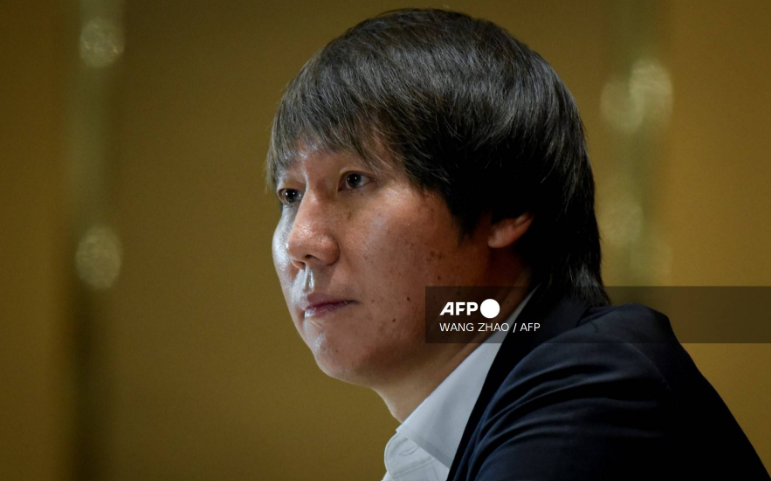
Li Tie, a prominent figure in Chinese football, has been sentenced to 20 years in prison for bribery, marking a significant escalation in the government’s ongoing crackdown on corruption within the sports industry. Li, a former Premier League midfielder for Everton and coach of the Chinese national team, was found guilty of accepting bribes totaling over $10 million, leveraging his influential positions to manipulate player selections, secure coaching roles, and even influence match outcomes. This high-profile case underscores the depth of corruption within Chinese football and highlights the government’s determination to root out malpractice, even at the highest levels of the sport. Li’s conviction follows a series of other recent convictions of football administrators, signaling a comprehensive effort to cleanse the sport and rebuild its integrity.
The investigation into Li’s activities revealed a complex web of illicit dealings, spanning several years and involving millions of dollars in bribes. He exploited his role as national team coach to extort money from players vying for coveted spots on the national squad and facilitated their transfers to clubs in exchange for financial gain. Furthermore, Li’s involvement in match-fixing schemes dating back to 2015 further tarnished the reputation of Chinese football and undermined the principles of fair play. The severity of Li’s sentence reflects the gravity of his offenses and the government’s commitment to holding individuals accountable for their corrupt practices. His televised confession, aired before his trial, while controversial, provided a glimpse into the pervasive nature of corruption within the sport and the immense pressure faced by those caught in its web.
The timing of Li’s sentencing coincides with a wave of convictions targeting other high-ranking officials within the Chinese Football Association (CFA), including its former secretary general, the head of the referees management office, and the ex-chief of strategic planning. This coordinated effort suggests a concerted campaign to dismantle the networks of corruption that have plagued Chinese football for years. The government’s focus on tackling corruption within sports aligns with President Xi Jinping’s broader anti-corruption drive, which has targeted officials across various sectors since he assumed power over a decade ago. While proponents argue that this campaign promotes transparency and accountability, critics contend that it can also serve as a tool to consolidate power and eliminate political rivals.
Li’s downfall from celebrated athlete and national coach to convicted criminal serves as a cautionary tale about the perils of corruption and the potential consequences for those who engage in it. His case highlights the systemic issues within Chinese football, where bribery and match-fixing have undermined the sport’s credibility and hindered its development. The government’s efforts to eradicate corruption within football are seen as crucial for restoring public trust and paving the way for a more transparent and meritocratic sporting environment. The recent spate of convictions signals a turning point in the fight against corruption within Chinese football, but the long-term impact remains to be seen.
While the government’s crackdown on corruption is commendable, the use of televised confessions and the near-100% conviction rate in criminal cases raise concerns about due process and fair trial rights. Critics argue that these practices undermine the principles of justice and may be used to coerce confessions and silence dissent. The lack of transparency surrounding the judicial process further fuels these concerns, raising questions about the impartiality of the courts and the potential for political influence. Balancing the need to combat corruption with the protection of fundamental rights remains a challenge for the Chinese government.
The future of Chinese football hinges on the success of these anti-corruption efforts and the implementation of reforms to promote transparency and accountability within the sport. The government’s commitment to cleaning up football aligns with President Xi’s ambition to elevate China’s standing in the global football arena. However, achieving this goal requires more than just punishing corrupt officials; it necessitates systemic changes to address the underlying issues that foster corruption in the first place. Developing a robust regulatory framework, promoting ethical leadership, and fostering a culture of fair play are essential for building a sustainable and thriving football ecosystem in China. The recent convictions represent a significant step towards achieving this objective, but the journey towards a truly clean and competitive football environment is far from over.









