









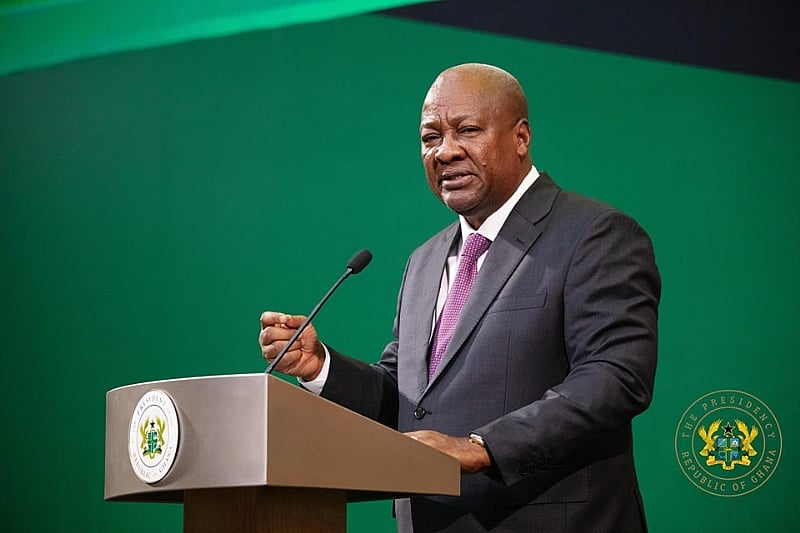
President John Dramani Mahama’s upcoming diplomatic mission to Mali, Niger, and Burkina Faso signifies a crucial step in Ghana’s foreign policy, focusing on regional stability and cooperation within the Economic Community of West African States (ECOWAS). These three Sahelian nations have faced significant challenges in recent years, including political instability, security threats, and strained relationships with ECOWAS. President Mahama’s visit aims to bridge the divide between these countries and the regional body, fostering dialogue and exploring pathways towards reconciliation. The trip underscores Ghana’s commitment to its good neighborliness policy, recognizing the interconnectedness of regional stability and national security. By engaging directly with the leadership of Mali, Niger, and Burkina Faso, President Mahama seeks to build trust, address concerns, and contribute to a more cohesive and peaceful West African region.
The visit to Mali, scheduled for Saturday, March 8th, will likely focus on addressing the ongoing political transition and the country’s efforts to restore constitutional order. Mali has experienced multiple coups in recent years, leading to its suspension from ECOWAS. President Mahama’s engagement will aim to understand the complexities of the Malian situation firsthand and explore ways to support the country’s return to democratic governance while respecting its sovereignty. Discussions may also touch upon security concerns, particularly the threat posed by extremist groups operating in the Sahel region. Ghana, as a regional player, has a vested interest in contributing to the stabilization of Mali, recognizing the potential spillover effects of instability on neighboring countries.
President Mahama’s subsequent stop in Niger, on Sunday, March 10th, will address similar themes of political stability and security cooperation. Niger, while facing its own internal challenges, has also played a crucial role in regional security efforts, particularly in the fight against terrorism. The discussions will likely focus on strengthening bilateral relations between Ghana and Niger, exploring areas of mutual cooperation in security, economic development, and regional integration. President Mahama’s visit offers an opportunity to reinforce the importance of regional cooperation in addressing shared challenges, such as cross-border crime, terrorism, and migration. Enhancing intelligence sharing and coordinating security efforts will be vital aspects of the discussions.
The final leg of the trip will take President Mahama to Burkina Faso, a nation grappling with escalating security concerns and political instability. The visit will likely focus on exploring ways to support Burkina Faso’s efforts to combat terrorism and restore stability. Discussions may also address the humanitarian crisis caused by the escalating violence, including the displacement of large populations within the country. Ghana’s role in providing humanitarian assistance and supporting regional efforts to address the crisis will be crucial. President Mahama’s engagement with the Burkinabe leadership will underline the importance of regional solidarity in addressing shared security and humanitarian challenges.
Beyond the specific bilateral engagements, President Mahama’s trip carries broader significance for the stability and integration of the West African region. By engaging directly with the leaders of these three Sahelian countries, he aims to foster a sense of shared responsibility for regional security and development. The discussions will likely emphasize the importance of adhering to democratic principles, respecting human rights, and promoting good governance as essential foundations for lasting peace and stability. President Mahama’s visit is a testament to Ghana’s commitment to playing a constructive role in regional diplomacy, mediating disputes, and fostering a more integrated and resilient West Africa.
Ultimately, the success of President Mahama’s diplomatic mission will depend on the willingness of all parties to engage in constructive dialogue and seek common ground. The challenges facing the Sahelian region are complex and require a coordinated regional approach. By facilitating communication and building trust between these countries and ECOWAS, President Mahama aims to create a more conducive environment for resolving disputes, strengthening cooperation, and building a more peaceful and prosperous future for the region. This trip underscores the interconnectedness of regional stability and national security, emphasizing the importance of diplomatic engagement, regional cooperation, and the pursuit of shared solutions to complex challenges. The visit represents a significant step in Ghana’s foreign policy, highlighting its commitment to playing a constructive role in promoting peace, security, and development within West Africa.









