Democracy Day in Nigeria serves as a poignant reminder of the nation’s ongoing journey towards a truly representative and equitable society. It is a day to commemorate the sacrifices made by countless individuals, including the iconic M.K.O Abiola, who fought tirelessly for the restoration of democratic ideals and the enthronement of the people’s will. It is a time to reflect on the progress made, acknowledge the persistent challenges, and reaffirm the collective commitment to building a Nigeria where the principles of democracy are not just theoretical constructs but tangible realities experienced by every citizen.
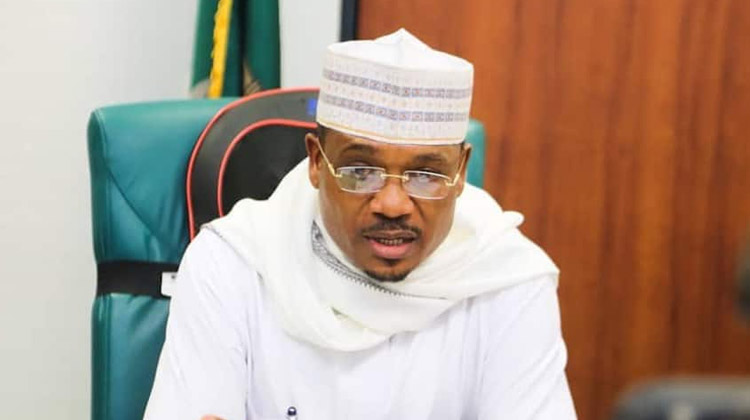
Shina Peller, a former member of the House of Representatives, captures this sentiment in his Democracy Day message, calling on Nigerians to channel their frustrations into constructive action. He emphasizes the need to move beyond mere rhetoric and embrace concrete steps towards addressing the multifaceted issues plaguing the nation. Corruption, insecurity, and social inequality remain significant obstacles on the path to progress. He underscores the importance of advocating for policies that uplift marginalized communities and promote inclusive development, ensuring that the benefits of democracy are distributed equitably across all segments of society.
Peller’s call to action extends beyond passive observation to active participation in the political process. He urges citizens to honor the legacy of democratic heroes by embodying the values they championed. This involves engaging in constructive dialogue, exercising the right to vote, participating in community organizing, and engaging in grassroots activism. Every action, no matter how seemingly small, contributes to the collective effort to strengthen democratic institutions and hold elected officials accountable. He stresses that a brighter future for Nigeria hinges on the unwavering commitment of its citizens to democratic principles and their active involvement in shaping the nation’s destiny.
The challenges facing Nigeria are substantial and complex, demanding a multi-pronged approach. Corruption, a deeply entrenched problem, erodes public trust and diverts resources away from essential services. Insecurity, fueled by various factors including ethnic tensions and economic disparities, creates a climate of fear and instability, hindering development and displacing communities. Social inequality further exacerbates these challenges, creating a divide between the privileged few and the vast majority who struggle to access basic necessities. Addressing these interconnected issues requires a comprehensive strategy that focuses on strengthening institutions, promoting transparency and accountability, fostering inclusive economic growth, and addressing the root causes of conflict.
Peller’s message resonates with a sense of urgency and hope. He acknowledges the difficult realities facing Nigeria but emphasizes the potential for positive change. He envisions a Nigeria where democracy is not merely a political system but a way of life, permeating every aspect of society. This requires a fundamental shift in mindset, moving away from apathy and cynicism towards active engagement and a belief in the power of collective action. It demands a commitment to upholding the principles of justice, fairness, and equality, ensuring that the voices of all Nigerians are heard and their rights are protected.
Democracy Day, therefore, serves as a critical juncture for reflection and renewal. It is an opportunity to reaffirm the commitment to the ideals that inspired the struggles for democratic freedom and to translate those ideals into tangible actions. It is a time to recognize that the journey towards a truly democratic Nigeria is an ongoing process, requiring constant vigilance, unwavering commitment, and the collective effort of all citizens. The future of Nigeria, Peller reminds us, is bright, but its realization depends on the unwavering commitment of its people to the principles of democracy and their active participation in shaping the nation’s destiny. It is a call to remember the past, engage in the present, and envision a future where democracy is not just a system but a lived reality for all Nigerians.