









Kebbi State Grapples with Banditry: Four Killed in Gumki Village Attack
The serene landscape of Gumki village in Arewa Local Government Area of Kebbi State was shattered on the evening of January 10, 2025, as suspected Lakurawa bandits unleashed a wave of violence, claiming the lives of four individuals. This tragic incident, confirmed by the Kebbi State Police Command, underscores the persistent security challenges plaguing the region, particularly along the porous Nigeria-Niger Republic border. The victims comprised one local resident and three employees of Airtel Communications Nigeria Limited, who were engaged in the installation of a surveillance mast for the Nigeria Immigration Service. Their presence at the construction site, nestled in the vulnerable border region, tragically placed them in the path of the marauding bandits.
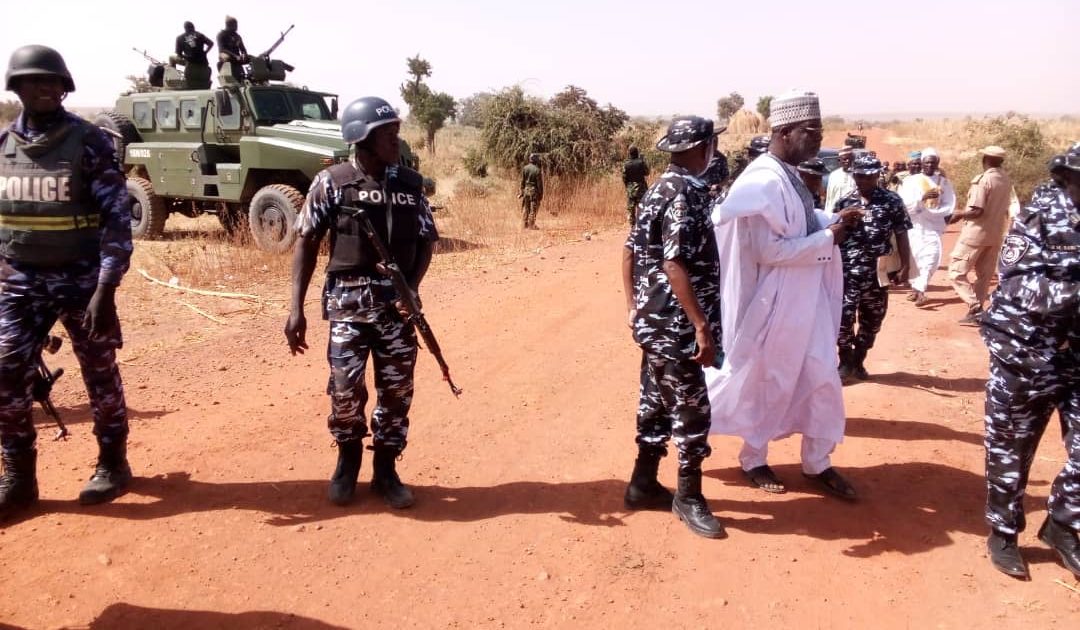
The attack unfolded swiftly and brutally as the bandits stormed the construction site around 8:47 pm. Their sudden incursion left the victims with little chance of escape, resulting in the immediate loss of four lives. Upon receiving the distressing report, the Commissioner of Police, CP Bello M. Sani, accompanied by the Comptroller of the Nigeria Immigration Service, CIS Muhammad Bashir Lawali, swiftly mobilized to the scene. Their immediate priority was the evacuation of the deceased to Sir Yahaya Memorial Hospital in Birnin Kebbi, the state capital. This prompt response reflects the commitment of the security agencies to address the escalating security concerns in the region.
In the wake of the attack, CP Sani took decisive action to bolster security measures in the affected area. Recognizing the need for enhanced vigilance, he immediately reviewed the existing security architecture and deployed additional tactical teams to combat the Lakurawa bandits. These specialized units are tasked with conducting targeted operations to neutralize the threat posed by the bandits and restore peace to the community. The CP’s directive emphasizes the importance of decisive action against criminal elements operating in the area.
Beyond immediate tactical deployments, CP Sani recognized the crucial role of community engagement in maintaining security. He convened a meeting with key stakeholders in the affected area, including community leaders, traditional rulers, and representatives of various groups. This forum provided a platform for open dialogue and collaboration, underscoring the importance of a unified approach to addressing the security challenges. The CP urged residents to actively cooperate with security agencies by providing timely and relevant information that could aid in preventing future attacks and apprehending the perpetrators.
The Gumki village attack serves as a stark reminder of the vulnerability of communities along the Nigeria-Niger Republic border. The porous nature of the border presents significant challenges for law enforcement agencies, allowing criminal elements to operate with relative impunity. This incident further highlights the urgent need for enhanced border security measures, including increased patrols, improved surveillance technology, and greater collaboration between Nigerian and Nigerien authorities.
The tragic loss of life in Gumki village demands a comprehensive and sustained response. While immediate tactical deployments are crucial for addressing the immediate threat, long-term solutions must address the root causes of banditry and insecurity in the region. These include socio-economic factors such as poverty, unemployment, and lack of access to education and opportunities. Addressing these underlying issues is essential for building resilient communities and fostering sustainable peace. Furthermore, strengthening cross-border cooperation, intelligence sharing, and community policing initiatives are crucial for effectively combating the menace of banditry and ensuring the safety and security of all residents.









