Paragraph 1: The Incident and Initial Investigation
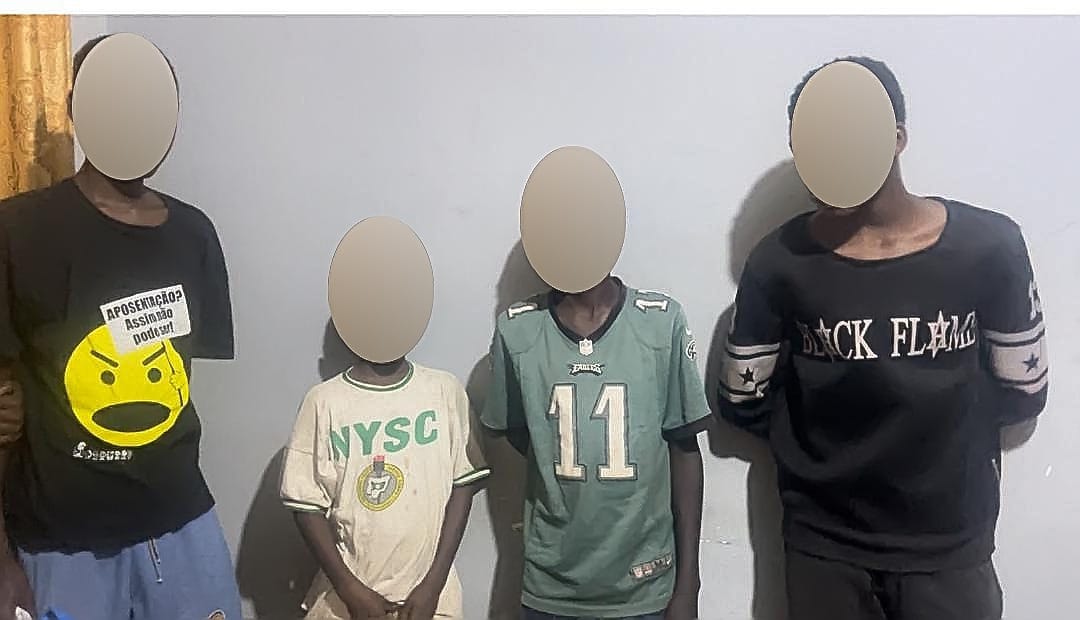
In the Guzape district of Abuja, Nigeria’s Federal Capital Territory (FCT), a seemingly ordinary uncompleted building became the scene of a petty crime with potentially broader implications. Four minors, identified as Matthew Vincent and Timothy Shedrack, both 15 years old, 11-year-old Moses Vincent, and Lucky Enock, whose age was not specified, were apprehended by the FCT Police Command for allegedly stealing iron rods from the construction site. The arrests followed a complaint lodged at the Guzape Police Station by vigilant residents who reported suspicious nocturnal activities at the building. These residents observed the minors entering the building at night, raising concerns about possible illicit activities. Responding to the complaint, police launched an investigation, which initially corroborated the residents’ observations.
Paragraph 2: Modus Operandi and the Alleged Receiver
Preliminary investigations revealed the minors’ method of operation. They scaled the perimeter fence of the uncompleted building, utilizing crude tools to dismantle sections of the structure and remove iron rods. The sounds of their activities, described as loud noises and swift movements, further alerted residents to their presence. The stolen rods were reportedly sold to a local scrap dealer known only as "Babanbola." This individual has become a key figure in the ongoing investigation, with authorities suspecting his involvement in a larger network facilitating the theft and resale of construction materials within the Guzape area and possibly beyond. Efforts to locate and apprehend Babanbola are underway.
Paragraph 3: Juvenile Delinquency and Community Responsibility
The incident involving the four minors highlights a growing concern within the FCT: the rise of juvenile delinquency. Josephine Adeh, spokesperson for the FCT Police Command, emphasized this point in a statement released following the arrests. The incident serves as a stark reminder of the challenges faced by law enforcement and the community in addressing youth crime. The Commissioner of Police for the FCT, Olatunji Disu, issued a direct appeal to parents and guardians, urging them to closely monitor their children’s activities, particularly during nighttime hours. He stressed the critical role of parental guidance in preventing criminal behavior and emphasized the shared responsibility of the community in creating a safer environment for all.
Paragraph 4: Collaborative Approach to Crime Prevention
Commissioner Disu’s call for community involvement underscores the importance of a collaborative approach to crime prevention. The vigilance of the Guzape residents, who promptly reported suspicious activity, played a crucial role in the apprehension of the young suspects. This proactive engagement is precisely the type of community partnership that law enforcement encourages. Adeh, in her statement, echoed the Commissioner’s sentiment, encouraging community members to report any suspicious activity promptly and to actively support initiatives aimed at enhancing safety and security within their neighborhoods. This collaborative approach, involving both law enforcement and the community, is seen as crucial in addressing the root causes of crime and fostering a safer environment for all residents.
Paragraph 5: Engaging Businesses and Construction Site Owners
Beyond community involvement, the police also emphasized the role of businesses, particularly scrap dealers, in curbing the trade of stolen materials. Adeh specifically advised business owners and scrap dealers to exercise due diligence by verifying the sources of materials before making purchases. This includes scrutinizing the legitimacy of sellers and reporting any individuals attempting to sell goods suspected of being stolen. Furthermore, construction site owners were urged to enhance security measures at their sites to deter theft. Recommendations include deploying security guards and installing surveillance systems, particularly in areas with ongoing construction or where valuable materials are stored. These proactive measures are essential in preventing future incidents and protecting investments in infrastructure development.
Paragraph 6: Rehabilitation and Legal Consequences
The four minors apprehended in this incident will be placed in juvenile homes for rehabilitation. This approach reflects a focus on addressing the underlying issues that may have contributed to their involvement in criminal activity. While the primary goal is rehabilitation, Adeh clarified that those found culpable after a thorough investigation will face legal consequences appropriate for their ages and the severity of the offense. The police reiterated their commitment to upholding law and order throughout the FCT, emphasizing that while rehabilitation is a priority for juvenile offenders, accountability for criminal actions remains a cornerstone of the justice system. This balanced approach aims to both address the root causes of juvenile delinquency and ensure the safety and security of the community.