









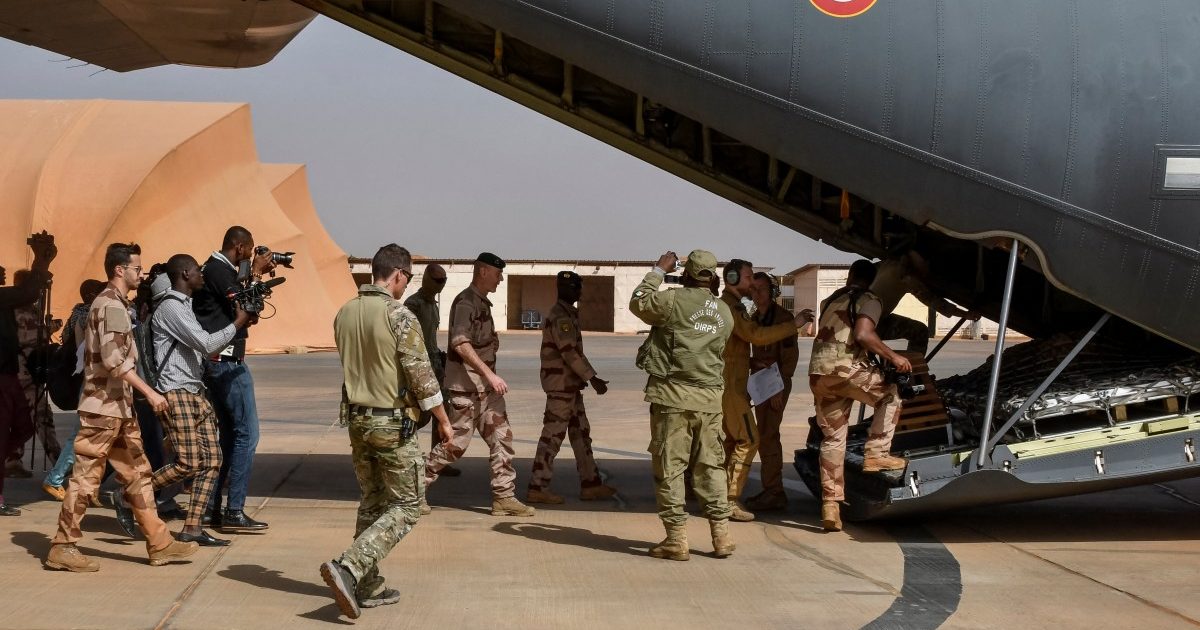
The commencement of France’s military withdrawal from Chad marks a significant turning point in the country’s relationship with its former colonial power and mirrors a broader shift in the geopolitical dynamics of the Sahel region. The departure of two Mirage fighter jets from N’Djamena, Chad’s capital, signals the first tangible step in a process that will see the eventual removal of approximately 1,000 French troops currently stationed in the country. This action follows the Chadian government’s decision to terminate its defense cooperation agreement with Paris, a move that reflects growing anti-French sentiment and a desire for greater national sovereignty in the region. This withdrawal mirrors similar exits by France from Mali, Burkina Faso, and Niger, highlighting a trend of declining French influence in the Sahel, driven by a combination of local political upheavals and a perceived ineffectiveness in combating regional instability.
The withdrawal, while initiated, remains in its early stages with many details yet to be finalized. Currently, there is no confirmed timeline for the complete departure of French forces, nor have the specifics of the withdrawal process been fully agreed upon. While the removal of the Mirage jets represents a concrete first step, the future of remaining French military equipment and personnel in Chad remains subject to ongoing discussions between the two nations. This ambiguity underscores the complex nature of the relationship between France and Chad, a relationship intertwined with decades of colonial history, security cooperation, and now, a growing desire for Chadian self-determination. The departure of the fighter jets, therefore, symbolizes not only a military withdrawal but also a symbolic severing of ties, paving the way for a redefined relationship between the two countries.
The decision by Chad to terminate its defense agreement with France and the subsequent initiation of the French military withdrawal comes against a backdrop of increasing regional instability and a surge in anti-French sentiment. Several factors have contributed to this shifting landscape, including a perception of France’s inability to effectively address the growing threat of extremist groups in the Sahel, resentment over continued French influence in the region, and a rise in nationalist fervor advocating for greater autonomy. These sentiments, often fueled by political opportunism and external influences, have created a challenging environment for continued French military presence in the region, leading to a reassessment of France’s strategic objectives and a shift towards a less direct military engagement.
The French military presence in Chad has historically been a cornerstone of regional security efforts, focused primarily on counterterrorism operations against groups like Boko Haram and Al-Qaeda affiliates. France’s Operation Barkhane, a large-scale counterterrorism operation launched in 2014, has relied heavily on Chadian cooperation and logistical support. The withdrawal of French forces from Chad raises concerns about the future of these counterterrorism efforts and the potential for a security vacuum in the region. It remains to be seen how Chad will fill this void and whether international partners will step in to support Chadian security forces in maintaining stability and combating the persistent threat of extremist groups.
The implications of France’s military withdrawal from Chad extend beyond the immediate security concerns. The move also has significant geopolitical ramifications, particularly concerning the influence of other international actors in the region. Russia, in particular, has been increasingly active in the Sahel, offering military assistance and support to governments facing instability. The withdrawal of French forces could create an opportunity for Russia to expand its influence in Chad and the wider region, potentially filling the security void and further complicating the already complex geopolitical landscape. This dynamic highlights the broader competition for influence in Africa, with various global powers vying for strategic partnerships and access to resources.
As France continues its military withdrawal from Chad, the future of the bilateral relationship remains uncertain. While the defense cooperation agreement has been terminated, both countries have expressed a desire to maintain a constructive relationship, albeit one redefined by the changing circumstances. The focus is likely to shift towards diplomatic and economic cooperation, with a greater emphasis on supporting Chad’s development and strengthening its own security capabilities. The success of this transition will depend on both countries’ willingness to engage in open dialogue and build a new partnership based on mutual respect and shared interests. The withdrawal, therefore, represents not only an end to a chapter but also the beginning of a new phase in the complex relationship between France and Chad, one that will require careful navigation and a commitment to building a future based on shared goals and mutual benefit.









