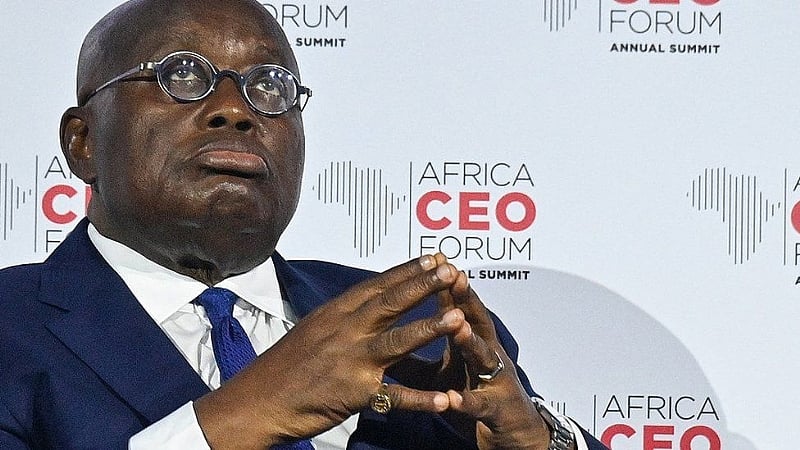
The New Patriotic Party’s (NPP) resounding defeat in the 2024 general elections, marked by a significant vote difference of over 1.6 million in favor of the National Democratic Congress (NDC), has prompted introspection and analysis within the party’s ranks. Frank Agyekum, spokesperson for former President John Agyekum Kufuor, has offered a critical assessment, attributing the loss partly to the leadership of President Akufo-Addo. Agyekum highlighted a confluence of factors that eroded public trust and alienated the NPP’s support base, culminating in the electoral setback. Central to his critique is the pervasive public discontent with the party’s performance, exacerbated by a perceived arrogance displayed by some party members. This perception of detachment from the concerns of ordinary citizens created a chasm between the party and its constituents, contributing to the decline in support.
Agyekum further emphasized the detrimental impact of imposing unpopular candidates in various constituencies. This practice, he argued, disregarded the preferences of local party members and undermined the democratic process within the NPP. By sidelining grassroots support and imposing candidates who lacked local appeal, the party effectively alienated segments of its voter base. This top-down approach to candidate selection, according to Agyekum, fostered resentment and disengagement among party loyalists, further weakening the NPP’s electoral prospects. The imposition of candidates, coupled with the perceived arrogance within the party, contributed to a narrative of disconnect between the NPP leadership and the electorate.
The spokesperson’s critique extended to the overall candidate selection process, which he characterized as flawed and contributing to the party’s defeat. Both the presidential and parliamentary candidate selections were deemed suboptimal, suggesting a failure to identify and promote the most suitable individuals to represent the party. This deficiency in the selection process, Agyekum argued, ultimately weakened the party’s appeal to the electorate and hampered its ability to effectively compete against the NDC. The combination of unpopular imposed candidates and a flawed overall selection process significantly weakened the NPP’s electoral machinery.
Agyekum underscored the long-standing nature of the issues that plagued the NPP, asserting that the warning signs had been evident for some time. He criticized the party’s failure to heed these warnings and take corrective action, attributing the eventual defeat to this inaction. This failure to address internal issues and adapt to changing political dynamics, in Agyekum’s view, ultimately paved the way for the NDC’s victory. The party’s inability or unwillingness to address these concerns allowed them to fester and ultimately contributed to the electoral loss.
The former president’s spokesperson placed the ultimate responsibility for the defeat on President Akufo-Addo’s leadership. While acknowledging that leaders receive credit when things go well, Agyekum emphasized that they must also bear responsibility for failures. This principle of accountability, he argued, applies to President Akufo-Addo’s leadership during the period leading up to the election. While not solely blaming the president, Agyekum emphasized the leader’s crucial role in setting the tone and direction of the party, therefore making him ultimately accountable for the outcome.
In summary, Agyekum’s analysis paints a picture of a party grappling with internal challenges, including public dissatisfaction, perceived arrogance, imposed candidates, and flawed selection processes. These factors, compounded by a failure to address these issues proactively, contributed to a decline in public support and ultimately led to the NPP’s defeat in the 2024 general elections. Agyekum’s critique serves as a call for introspection and reform within the NPP, urging the party to acknowledge its shortcomings, learn from the mistakes of the past, and rebuild its connection with the electorate. The significant margin of defeat emphasizes the urgency of this task if the NPP hopes to regain its footing and compete effectively in future elections.