





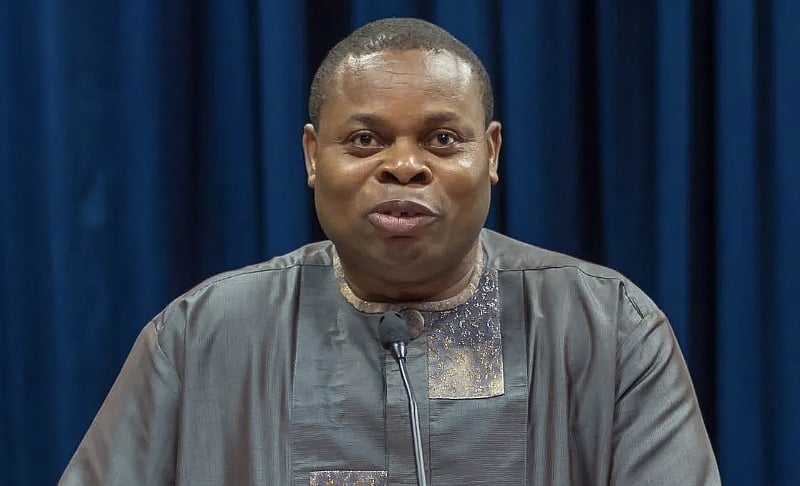
Franklin Cudjoe, the founding president of IMANI Africa, recently expressed his concerns regarding the potential participation of the minority National Democratic Congress (NDC) in an emergency parliamentary session. In a Facebook post on November 26, he advised Ghanaians to hold the NDC accountable in the forthcoming elections if their members engage in what he views as an inappropriate recall to address pressing government matters. Cudjoe’s sentiments reflect a broader skepticism about the efficacy and integrity of the parliamentary process, particularly in the context of an expedited meeting that he argues is ill-suited for considerate governance. He emphasized that a parliament that can handle significant legislative matters in just two days diminishes its credibility and effectiveness.
Cudjoe’s remarks were prompted by a request from the Majority Leader, Alexander Afenyo-Markin, for an emergency sitting of Parliament scheduled for November 28 and 29, 2024. This session would tackle numerous urgent legislative items, including the approval of tax exemptions related to the government’s One District, One Factory initiative, the ratification of key mining lease agreements, and the discussion of 17 significant bills, such as the Free Secondary Education Bill and the Social Protection Bill. The memo from the Majority Leader framed this emergency session as an opportunity for parliamentary cooperation and stability, which the Majority argues is essential, especially in a time of election-related activity.
However, the Minority Caucus countered this appeal with their own memo, urging the Speaker of Parliament to reject the proposed recall. They branded the request as poorly timed and misguided, pointing to the potential for political maneuvering rather than genuine legislative progress. The NDC’s position underscores a growing contention within the Ghanaian political landscape, where the opposition is wary of actions that may appear to undermine their stature or endorse what they perceive as hasty decisions made under pressure. The clash between the Majority and Minority reflects broader tensions in Ghana’s parliamentary dynamics and illustrates the challenges in maintaining a collaborative legislative atmosphere during politically charged periods.
In the context of Ghana’s evolving political scenario, Cudjoe’s warnings resonate with the electorate, especially as the nation approaches another election cycle. His directive for voters to punish the NDC, should their MPs engage in the recall, points towards a possible shift in public sentiment regarding political accountability. The idea that the opposition could exacerbate governance issues if they were to return to power remains a critical point of contention. As the political landscape prepares for an upcoming electoral contest, voters are increasingly advised to scrutinize the conduct and integrity of their representatives and parliamentary leaders.
Cudjoe’s stance also invites broader consideration of how emergency sessions in parliament should be managed, particularly in terms of transparency and public interest. His assertion that essential legislative decisions cannot be compressed into tightly scheduled sessions calls into question the effectiveness of parliamentary processes that may overlook thorough debate and consensus in favor of expediency. While the desire for rapid legislative action may sometimes align with national interests, it is crucial that it does not come at the expense of rigorous democratic processes.
Overall, the unfolding drama in Ghana’s Parliament epitomizes the delicate balance between governance and political strategy. As the majority seeks to rally support for pressing legislative matters while the minority resists, the electorate is left to weigh the implications of these maneuvers. Ultimately, the decisions made in this period will not only shape immediate political outcomes but will also set the tone for Ghana’s governance and legislative integrity in the future. Cudjoe’s call to action serves as a reminder that political decisions made today can resonate powerfully in the ballot boxes of tomorrow.








