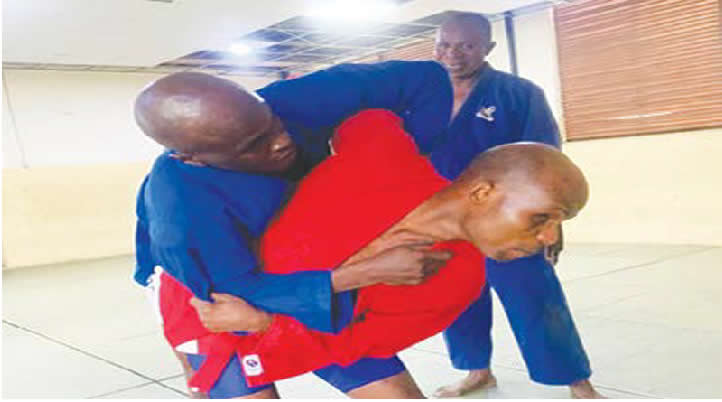
In Lagos, a group of blind judokas is reshaping perceptions about disability and sports, demonstrating extraordinary resilience and determination through their involvement in judo and Sambo. Coach Gbenga Montana trains athletes Samuel Kekere and Temitope Orimolade, preparing them for the historic inclusion of blind athletes in the World Sambo Championship scheduled for Kazakhstan. Their dojo, a space reminiscent of school classrooms but equipped with tatami mats for rigorous training, serves as a testament to the athletes’ dedication and the support they receive. This initiative highlights the often ignored potential of visually impaired individuals, encouraging societal change and inclusion in sports.
Globally, blindness affects around 43 million people, creating significant social and economic barriers, particularly in developing countries where misconceptions about disabilities persist. Combat sports are rarely chosen for blind athletes due to perceived risks; more commonly accepted sports include athletics, swimming, and goalball. However, the stories of athletes like Kekere and Orimolade reveal how they have not only reclaimed their agency and independence through combat sports but also brought visibility to the capabilities of visually impaired individuals. Kekere’s journey from loss of sight due to glaucoma and Orimolade’s transition to blindness from retinal issues exemplify the emotional and psychological struggles faced by these athletes.
The societal stigma around blindness remains a daunting challenge for many individuals in Nigeria, often resulting in isolation and misinformation. As Kekere poignantly notes, the perception that disabilities can be contagious has contributed to the discrimination against disabled individuals, limiting their access to education, employment, and social integration. The support from family members has played a crucial role in the lives of some athletes; for instance, while Orimolade received encouragement from his late sister, Kekere experienced neglect from his family. This sheds light on the broader societal attitudes that hinder the progress of persons with disabilities in Nigeria.
For these athletes, the practice of Judo and Sambo is transformative, instilling purpose and structure in their lives. Through their training in combat sports, they have experienced personal growth and community support. Kekere emphasizes that sports have significantly improved his quality of life, and both he and Ogungbemi have expressed how combat sports have brought them joy and fulfillment. The commitment of individuals like Sheriff Hammed, who advocates for the inclusion of blind athletes in combat sports, exemplifies how community support can uplift and inspire marginalized groups. This recognition underscores the critical role that sports play in enhancing the self-esteem and agency of disabled individuals.
Blind athletes are often met with skepticism in their sports endeavors. Traditional combat sports such as Judo and Sambo require unique adaptations for blind practitioners, relying on touch and sound rather than sight. The training process involves innovative strategies from coaches, illustrating that physical disabilities need not limit participation in competitive sports. The recently announced inclusion of blind athletes in the upcoming World Sambo Championship represents a significant step toward inclusivity in para-sports, highlighting not only their potential but also the need for increased support from governmental and private entities.
Moreover, the stories of these athletes shed light on larger issues regarding eye health and the prevention of blindness. Regular eye check-ups and awareness about conditions leading to visual impairment are crucial, given the alarming number of individuals experiencing preventable blindness. Efforts like World Sight Day offer vital opportunities to raise awareness and promote eye health education in Nigeria. While these blind athletes face numerous challenges, their remarkable journeys emphasize that disability does not equate to inability but rather offers a different, often richer perspective on resilience and achievement, inspiring future generations to embrace inclusivity.