In Nigeria, the political landscape is often marked by alliances that are as fluid as they are opportunistic. This trend highlights the behavior of several vocal politicians who, after vehemently criticizing President Bola Tinubu during his ascent to power, have quickly shifted their allegiances to support him once he took office. This inconsistency raises questions about the integrity of these individuals and reflects a broader issue within Nigerian politics, where denunciation can swiftly turn into praise in the pursuit of personal gain or political advantage. The myriad examples of these political reversals underscore a pattern of opportunism that has become increasingly common.
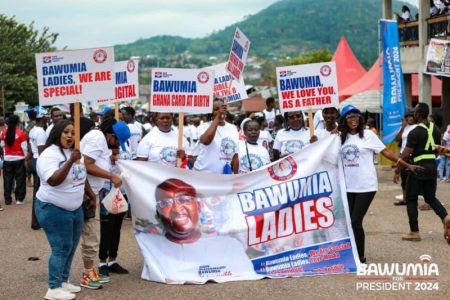
Daniel Bwala serves as a salient case study in the phenomenon of shifting political allegiances. Once an outspoken critic of Tinubu, Bwala, who previously worked as a spokesperson for the Peoples Democratic Party (PDP) during the 2023 elections, articulated severe doubts about the performance of the All Progressives Congress (APC). During a series of public statements leading up to and following the elections, he lambasted Tinubu, describing his presidency as one that would perpetuate poverty and insecurity. However, after meeting with Tinubu in January 2024, Bwala underwent a dramatic change, offering his support to become a Special Adviser on Policy Communication. His abrupt transition from critic to adviser not only sparked outcry from netizens but also epitomized the inconsistency rampant among Nigerian politicians who prioritize their ambitions over principles.
Another prominent figure who exemplifies this trend is Doyin Okupe. A seasoned political operative, Okupe has oscillated widely in his views on Tinubu over the years. Initially a condemnatory voice within the PDP, he later shifted to the Labour Party to support Peter Obi’s presidential campaign, only to subsequently declare Tinubu the “most qualified” candidate for the presidency after Obi’s defeat. This reversal of stance underlines the transactional nature of political allegiance in Nigeria, where personal interests often overshadow past criticisms. As Okupe continues to champion Tinubu against his former allies, he reinforces a narrative that values political expediency over steadfast principles.
Reno Omokri further illustrates the volatility of political loyalties in Nigeria. Once an ardent critic of Tinubu, launched scathing attacks against his character and background, Omokri was a significant voice in detracting from Tinubu’s presidential prospects. His accusations ranged from questioning Tinubu’s integrity to highlighting past legal troubles, painting him as unfit for office. Yet, post-elections, Omokri’s narrative changed sharply as he shifted to supporting Tinubu, even affirming the president’s academic credentials. This transformation sparked backlash on social media, compelling Omokri to publicly rationalize his newfound endorsement of Tinubu, reinforcing the perception that political motives can easily override personal beliefs in the quest for influence.
Femi Fani-Kayode’s political journey further underscores the phenomenon of ideological flip-flopping. Initially a staunch critic of the APC and Tinubu, Fani-Kayode espoused vehement criticism of Buhari’s administration, expressing his unwavering opposition to joining the ruling party. In a surprising turn of events, he joined the APC in 2021, claiming divine inspiration led him to switch sides. By doing so, he exemplifies how political expediency can lead individuals to abandon previously held convictions in favor of positions of power within a party they once denounced. Fani-Kayode’s current role within the APC Presidential Campaign also showcases how individuals can adopt contradictory stances without regard for past positions.
As these politicians navigate the intricate web of Nigerian politics, their inconsistency reflects a persistent lack of discipline and principles. Commentators like Omoyele Sowore and Prof. Chris Nwaokobia have critiqued this revolving door of political allegiance, emphasizing that such individuals are seldom grounded in core values. Instead, they are viewed as actors engaged in a complex game of self-interest rather than public service, suggesting that such behavior is symptomatic of a larger malaise affecting the political fabric of Nigeria. The focus on personal gain over systemic change highlights a troubling trend where the question of governance becomes secondary to the pursuit of power and wealth.
Ultimately, the shifting allegiances of prominent Nigerian politicians like Bwala, Okupe, Omokri, and Fani-Kayode expose fundamental issues in political integrity. Their quick transitions from vocal opposition to enthusiastic support for President Tinubu underscore a pervasive culture that prioritizes opportunism over principled action. As these individuals navigate their careers, the implications extend beyond personal reputation; they also impact the broader perception of political accountability and democratic engagement in Nigeria. The interplay of ambition, loyalty, and ethical considerations continues to shape the political conversation, signaling a need for stronger discourse on integrity within the realm of public service.