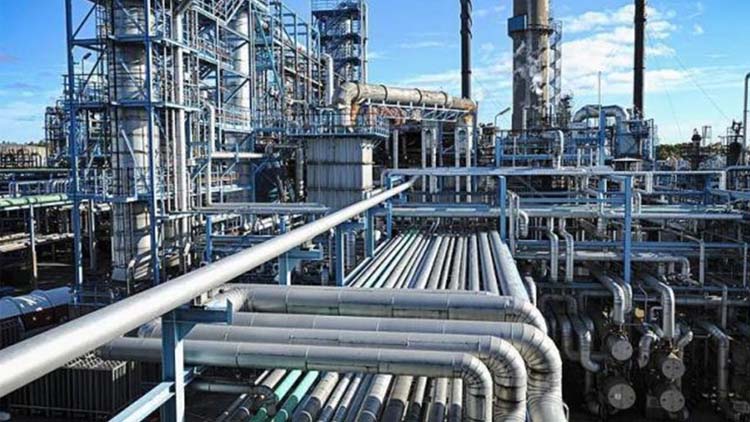
The Nigerian National Petroleum Company Limited’s (NNPC) recent announcement of a month-long shutdown of the Port Harcourt Refining Company (PHRC) for maintenance has been met with skepticism and criticism from industry stakeholders. The Independent Petroleum Marketers Association of Nigeria (IPMAN) argues that the shutdown is merely a face-saving measure, as the refinery has been largely inactive for months, producing no petrol for at least three months prior to the announcement. IPMAN contends that the refinery’s contribution to the Nigerian petrol market is insignificant, with marketers sourcing their supplies from the Dangote refinery and through imports. The timing of the shutdown, just six months after the refinery was supposedly rehabilitated and reopened, raises concerns about the effectiveness and sustainability of the earlier repairs. IPMAN questions the refinery’s ability to operate efficiently and provide sufficient fuel upon its reopening.
Adding to the chorus of criticism, the Petroleum Products Retail Outlet Owners Association of Nigeria (PETROAN) expressed worry that the 30-day maintenance period may be overly optimistic. PETROAN fears that the typical bottlenecks associated with such projects could lead to delays, further exacerbating existing fuel supply challenges and increasing economic hardship for Nigerians. The association stressed the importance of including the Premium Motor Spirit (PMS) blending unit in the maintenance exercise, emphasizing that without it, the crude oil cracking process is rendered useless. PETROAN called for the timely completion of the repairs to prevent market monopolization and ensure a stable supply of petroleum products, fostering competition and benefiting both consumers and the economy.
Further complicating the situation is the revelation from the Depot and Petroleum Products Marketers Association of Nigeria (DAPPMAN) that the NNPC refineries, including the Port Harcourt facility, are primarily producing naphtha, not optimally producing the much-needed petrol (PMS). DAPPMAN members have indicated their unwillingness to source petrol from these refineries due to this issue, preferring to purchase from the Dangote refinery or resort to importation as permitted under the Petroleum Industry Act (PIA). This revelation casts further doubt on the NNPC’s claims regarding the PHRC’s operational capacity and its contribution to meeting the nation’s petrol demand.
The NNPC’s official statement, however, paints a different picture. The company insists that the shutdown is a planned maintenance exercise necessary for the safe and sustainable operation of the refinery. It assures the public that adequate supplies of other petroleum products like Automotive Gas Oil (AGO/diesel) and kerosene are available to bridge any potential supply gaps during the maintenance period. The NNPC also refuted claims of sabotage, emphasizing the adherence to global best practices in the maintenance process. They promised regular updates on the progress through official channels.
The contrasting narratives presented by industry stakeholders and the NNPC highlight the deep-seated mistrust and lack of transparency surrounding the operations of the PHRC. The repeated shutdowns and inconsistent production levels raise serious questions about the long-term viability of the refinery and its ability to contribute meaningfully to Nigeria’s fuel security. The concerns raised necessitate a thorough and independent assessment of the refinery’s operations to determine the true extent of its functionality and to address the underlying issues hindering its optimal performance.
The conflicting information surrounding the PHRC shutdown further underscores the need for greater transparency and accountability in the Nigerian petroleum sector. The call for a stakeholder task force to monitor the repair process and provide regular updates to the public is a step in the right direction. Such oversight will not only ensure transparency but also help to build public trust and confidence in the NNPC’s efforts to revitalize the nation’s refining capacity. A comprehensive and sustained effort is required to address the systemic challenges hindering the efficient and sustainable operation of Nigeria’s refineries.