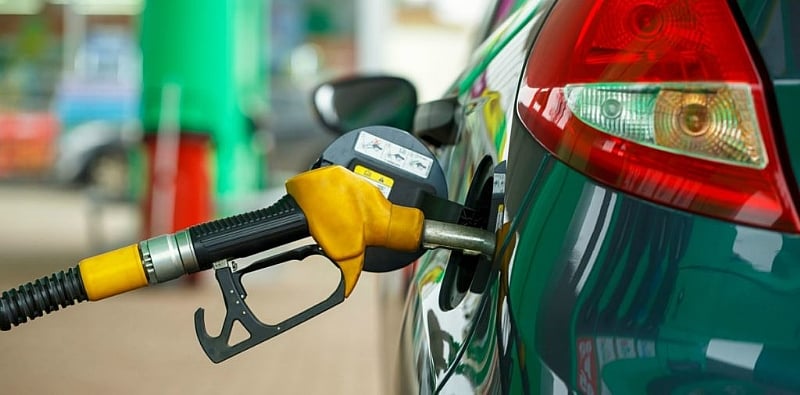
The National Petroleum Authority (NPA) of Ghana has projected a decrease in fuel prices by mid-March 2025, offering potential relief to consumers and businesses burdened by rising energy costs. This projection is based on the latest petroleum price indicators, which reveal a downward trend in the estimated price build-up (PBU) for the period commencing March 16, 2025. The data analyzed from February 27 to March 11, 2025, points to a confluence of factors contributing to this anticipated price reduction, primarily driven by the decline in global crude oil prices and shifts in international market dynamics.
The observed decline in global crude oil prices marks a significant turning point, representing the first substantial drop since November 2024. This downturn comes after a period of relative price stability or increases, influenced by a complex interplay of geopolitical and economic factors. While the Ghanaian Cedi experienced a slight depreciation against the US dollar, the decrease in international crude oil prices has overshadowed the currency fluctuation, resulting in a net positive impact on projected fuel prices. This decline in crude oil prices is the primary driver of the anticipated fuel price reduction in Ghana.
The petroleum price indicators show a consistent decrease across various fuel types. Petrol prices are expected to decline by 3.55%, while diesel prices will see a similar reduction of 3.47%. Liquefied Petroleum Gas (LPG), a crucial energy source for households and businesses, is projected to experience the most significant drop at 5.90%. Jet fuel and kerosene prices are also expected to fall by 3.53%, while fuel oil will see a slightly larger decrease of 3.98%. This broad-based decline suggests a general softening of the global petroleum market, which is translating into lower costs for Ghanaian consumers.
The decline in global oil prices can be attributed to several interconnected geopolitical and market-specific factors. Geopolitical tensions, particularly those involving the United States and Ukraine, have introduced uncertainty into the global oil market, impacting supply and demand dynamics. Additionally, Washington’s new tariff policies have further complicated the international trade landscape, potentially influencing oil prices. Furthermore, Iraq’s decision to resume oil exports from the Kurdistan region has added to the global supply, contributing to the downward pressure on prices. These intertwined factors underscore the complex relationship between global politics and energy markets.
The projected decline in fuel prices carries significant implications for the Ghanaian economy. Lower fuel costs are expected to provide relief to consumers, reducing transportation expenses and easing the burden on household budgets. Businesses, especially those in the transportation and manufacturing sectors, are also poised to benefit from reduced operating costs. This could lead to increased productivity and competitiveness, potentially stimulating economic growth. The ripple effects of lower fuel prices could extend to various sectors, positively impacting the overall economic landscape.
However, despite the positive outlook, stakeholders remain cautious and are closely monitoring global developments. The oil market is inherently volatile, subject to rapid fluctuations influenced by geopolitical events, economic shifts, and unforeseen disruptions. The NPA and other relevant authorities will continue to assess the evolving market dynamics and their potential impact on local fuel prices. While the current projections suggest a positive trend, the inherent unpredictability of the global oil market necessitates ongoing vigilance and preparedness for potential shifts in the future. The future trajectory of fuel prices will depend on the interplay of these complex and dynamic factors, requiring continuous monitoring and analysis by stakeholders.