





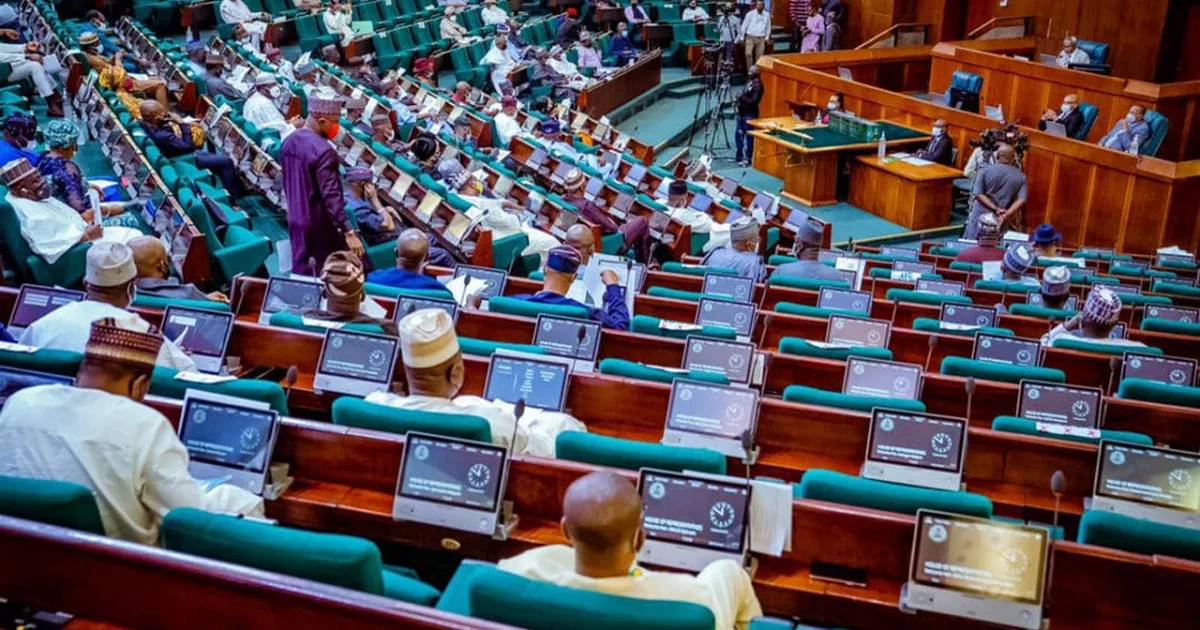
The recent spike in fuel prices in Nigeria has raised concerns about potential social unrest, as emphasized by the House of Representatives during a plenary session. Following a meeting between the Federal Government and labor leaders that ended without agreement, the House warned that the latest rise in fuel prices could severely impact the socio-economic landscape of the country. Fuel prices surged at NNPC retail outlets, increasing significantly in major cities like Abuja and Lagos, with the average price escalating by about 14.8%. Such hikes have initiated a ripple effect, substantially raising transportation and food costs nationwide, compounding the financial strain on average Nigerians battling economic hardships.
In response to these developments, labor unions, including the Nigeria Labour Congress (NLC) and the Trade Union Congress (TUC), demanded an immediate reversal of the fuel price increase, arguing it is exacerbating poverty among Nigerians. The House of Representatives echoed these sentiments, calling for urgent government intervention to stem the skyrocketing prices of petrol and cooking gas, which significantly impacts the cost of living. During a motion led by Minority Leader Kingsley Chinda and several supporters, the discussion centered on alleviating the financial burdens imposed on ordinary citizens due to increasing inflation rates driven by these fuel price hikes.
Lawmakers highlighted the detrimental effects that rising fuel prices have on small and medium-sized enterprises, which struggle to cope with their increased operational costs amid the economic turbulence. Chinda elaborated on the multifaceted challenges caused by the fuel subsidy removal, volatility in global oil prices, and the depreciation of the Nigerian Naira. He warned that unchecked inflation and the consequent economic burden on families could lead to social instability, escalating crime rates, and mortality, emphasizing the urgent need for intervention from the executive arm of the government.
The concerns raised in the House were not limited to economic implications but extended to the government’s previous commitments to revamping domestic refineries and enhancing local production of petroleum products, a strategy that has not delivered tangible outcomes. Lawmakers urged concrete action to promote local refining capabilities as a means to ease the current widespread reliance on imported fuels. Additionally, they suggested the Central Bank of Nigeria undertake monetary policy measures to counteract the negative effects of rising fuel prices on essential goods and services, while also advocating for broader energy alternatives to lessen the country’s dependence on petrol and gas.
In light of labor leaders’ steadfast demands for a price reduction, a closed-door meeting involving key government officials and unions was held with no consensus reached. Although discussions continued without resolution, Minister of Information Mohammad Idris assured the public that the dialogue between the government and labor leaders would be ongoing, stating that labor has a significant role in national discourse. This sentiment reflected a recognition of the deep-seated challenges faced by the populace, furthering the need for collaborative dialogue to forge effective solutions.
Amidst these challenges, government officials acknowledged the difficult decisions made thus far, framing them as crucial for fostering long-term economic stability. The Minister of Budget and National Planning, Abubakar Bagudu, noted that the government’s choices had already started yielding positive outcomes despite the ongoing issues of inflation and rising living costs. Emphasizing Nigeria’s economic recovery trajectory, he drew comparisons with economic downturns in wealthier nations like Germany and the UK, arguing that Nigeria’s recent GDP growth was an indication of effective governance. Looking forward, officials expressed optimism that the economic pain experienced by citizens would eventually give way to favorable conditions, urging patience in the face of current adversities.








