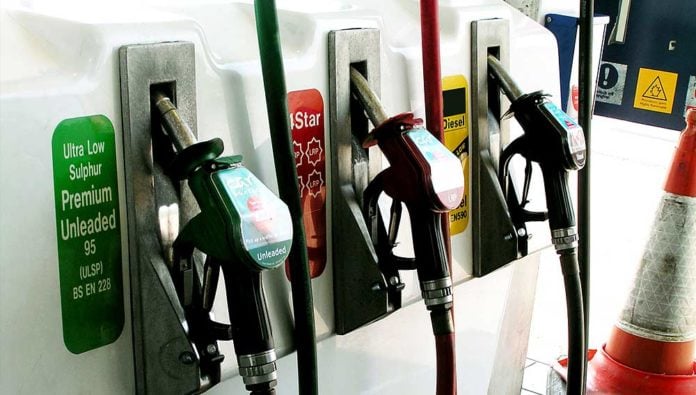
As December begins, some Oil Marketing Companies (OMCs) in Ghana have started to adjust fuel prices upward, marking a change in the economic landscape for consumers. Shell has taken the lead in this adjustment, raising the price of petrol from GH₵14.82 to GH₵14.99 per litre and increasing diesel from GH₵15.66 to GH₵15.72 per litre. These changes come after a period in November characterized by a decrease in petrol prices while diesel prices remained stable. The recent upward adjustments are noteworthy, especially since they deviate from previous market expectations that suggested further reductions in fuel prices could be feasible.
An examination of the local market reveals the complexity of fuel pricing in Ghana and the role that international oil markets play in influencing local costs. The Chamber of Petroleum Consumers (COPEC) had expressed optimism regarding potential price declines, citing a decrease in international petrol prices from $723.03 to $676.64 per metric tonne. Additionally, the relative stability of the Ghanaian cedi was expected to provide support for lower local prices. Given these factors, stakeholders had anticipated a more favorable pricing environment for consumers during November’s second pricing window, which ultimately did not materialize as expected.
The sharp contrast between COPEC’s predictions and the actions of OMCs underscores the unpredictable nature of fuel pricing, heavily influenced by both international market trends and local economic conditions. While there was hope for reduced prices due to favorable international trends, the slight increases observed suggest that OMCs are recalibrating their pricing strategies in response to fluctuating market dynamics. This situation exemplifies the challenges consumers face in navigating fluctuating fuel costs, which can significantly impact their overall expenses each month.
The decision by OMCs like Shell to increase fuel prices can be seen as a response to changes in supply and demand, as well as other market forces that may not be immediately apparent to consumers. Fuel pricing often involves considerations such as transportation costs, refining expenses, and geopolitical factors that can affect oil supply chains globally. The recent price adjustments indicate that OMCs might be taking a cautious approach, reflecting the realities of operating in an unpredictable market where costs can rise unexpectedly.
In light of these price changes, consumers are likely feeling a sense of apprehension regarding future fuel costs. The idea that price increases could signal a trend may prompt consumers to alter their driving habits or reconsider travel plans to mitigate the impact of rising expenses. Additionally, as prices fluctuate, the role of government regulation and intervention in the petroleum sector becomes a critical topic. Stakeholders may begin advocating for measures that could stabilize fuel costs for consumers in the face of volatile international markets, which may help to cushion the financial burden on households and businesses alike.
Ultimately, the adjustment of fuel prices by OMCs such as Shell at the beginning of December serves as a reminder of the complexities surrounding fuel pricing in Ghana. It illustrates the balancing act that OMCs must perform in response to both domestic economic realities and international market fluctuations. As consumers continue to grapple with rising costs, it remains to be seen how these dynamics will shape fuel pricing trends in the coming weeks and months, and whether there will be a return to periods of decreased fuel costs.