The 22nd National Sports Festival, hosted in Ogun State, experienced an unforeseen disruption during the men’s 10,000m final at the MKO Abiola Sports Complex. Midway through the race, the stadium plunged into darkness due to a power outage, forcing the athletes to complete the remaining laps in near-total obscurity. The unexpected blackout, which lasted approximately 20 minutes, significantly impacted the athletes’ performance, particularly the eventual winner, Francis James of Plateau State. While James managed to secure victory with a time of 30:36:50, he expressed his disappointment, attributing the less-than-ideal time to the disruption caused by the power failure. Coincidentally, the stadium’s lights returned immediately after the race’s conclusion, further highlighting the unfortunate timing of the incident.
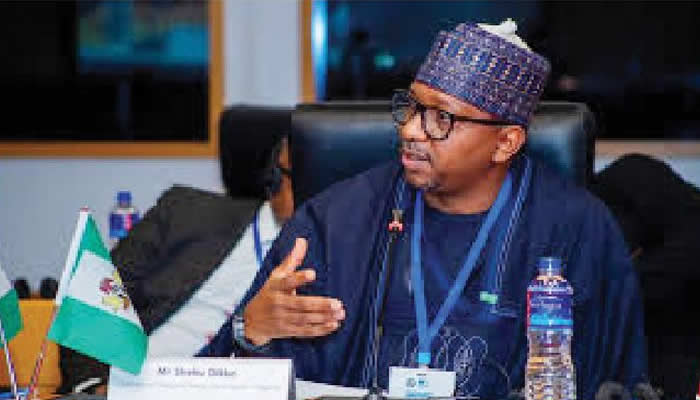
Shehu Dikko, Chairman of the National Sports Commission, addressed the power outage during a press conference the following day. He attributed the technical glitch to the stadium’s recently renovated status, explaining that new infrastructure is sometimes prone to such issues. Dikko emphasized that the relatively short duration of the outage demonstrated the efficiency of the technical team in resolving the problem. He acknowledged the unfortunate timing of the incident, coinciding with an event that, due to its nature, couldn’t be interrupted. Looking ahead, Dikko suggested exploring contingency plans, such as incorporating solar power, to mitigate the risk of future outages, although feasibility would depend on factors like power load and other site-specific conditions.
The incident underscored the challenges of managing large-scale sporting events, especially in venues with new or upgraded infrastructure. While unforeseen technical issues can occur, the incident highlighted the importance of robust backup systems and contingency plans. The swift restoration of power demonstrated the preparedness of the technical team, but the disruption to the athletes’ performance underscored the need for proactive measures to prevent such occurrences in the future. The potential integration of solar power, as suggested by Dikko, could provide a sustainable and reliable solution, further enhancing the resilience of the stadium’s power supply.
The 2024 National Sports Festival, often referred to as Nigeria’s Olympics, witnessed intense competition across various sporting disciplines. With a staggering 2,150 medals up for grabs in 549 events, the games promised to be one of the most extensive in the festival’s history. The distribution of medals included 626 gold, 626 silver, and 898 bronze, providing ample opportunities for athletes to showcase their talent and strive for national recognition. The festival served as a platform for athletes from across the country to compete at the highest level, fostering a spirit of healthy competition and national unity.
A notable addition to the 2024 festival was the introduction of the Invited Junior Athletes category. This initiative provided a unique platform for young, promising athletes to compete alongside their more experienced counterparts. The inclusion of junior athletes not only offered them invaluable exposure to a high-stakes competitive environment but also served as a crucial stepping stone in their athletic development. Competing at the national level alongside seasoned athletes provided a vital learning experience, fostering growth and inspiring future generations of Nigerian athletes.
The National Sports Festival holds significant importance in the Nigerian sporting landscape. It provides a platform for identifying and nurturing talent, fostering national unity, and promoting the development of sports across the country. The 2024 edition, with its expanded medal count and the inclusion of junior athletes, further solidified its position as a pivotal event in the Nigerian sporting calendar. Despite the unfortunate power outage incident, the festival successfully showcased the resilience and determination of both athletes and organizers, highlighting the enduring spirit of Nigerian sports. The incident also served as a valuable learning experience, prompting discussions about contingency planning and infrastructure improvements for future events.