





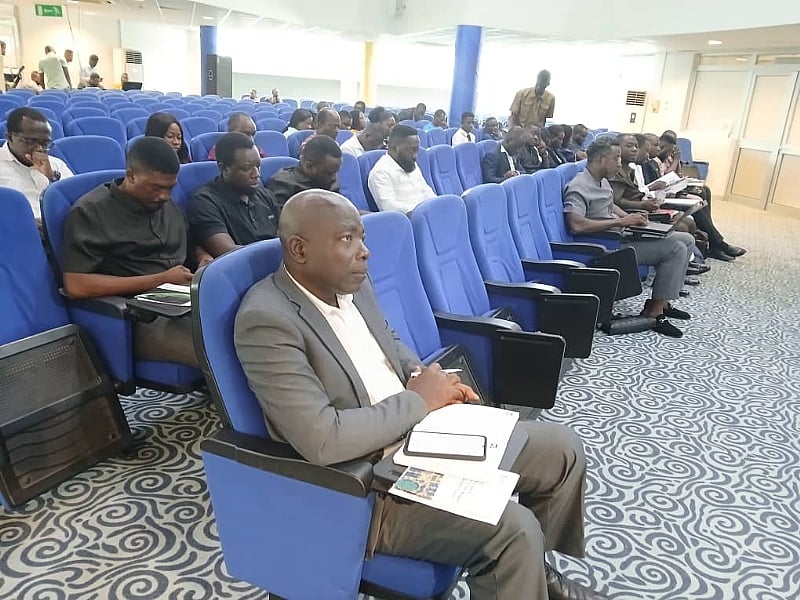
At the Second Annual General Meeting and Conference of the Ghana Geospatial Society, Mr. Michael Nyoagbe, the President of the Society, called for a nationwide embrace and implementation of geospatial technology as essential to unlocking Ghana’s potential. He emphasized that promoting policies facilitating the sharing of geospatial data and ensuring open access is crucial for enhanced governance and resource allocation. Moreover, Nyoagbe stressed the importance of investing in training programs to equip future geospatial professionals. He encouraged attendees to adopt a mindset that views challenges as opportunities, paving the way for innovation and growth amidst a rapidly changing environmental and urban context.
Geospatial technology has proven invaluable in addressing issues related to rapid urbanization, evolving infrastructure, and climate crises, Nyoagbe pointed out. He articulated that the capabilities of geospatial technologies are instrumental in crucial decision-making and development tasks. From mapping flood-prone areas to optimizing transportation networks and supporting agricultural practices, geospatial data provides the agility and insight needed to tackle contemporary challenges effectively. He highlighted tools like Geographic Information Systems (GIS), remote sensing, and location-based analytics as transformative forces across various sectors including finance, logistics, agriculture, and public health. He urged the government and relevant professionals to focus their efforts on nurturing local talent to engineer tailored solutions for unique local problems.
During the conference, keynote speaker Mr. Tony Ntiabo, CEO of Tenth Generation Technology Systems Africa and a charter member of the Ghana Institution of Surveyors, reinforced the potential of geospatial technology in resource management and decision-making. He illustrated how satellite imagery could be harnessed in agriculture to enhance crop yields and conserve water. In urban contexts, he described its role in smart city management and tracking illegal mining activities. Ntiabo also touched on the integration of geospatial technologies with digital frameworks to innovate and propel growth further. Additionally, he highlighted the vital impact of these technologies in disaster management — particularly in establishing early warning systems and enabling rapid response to reduce the impacts of disasters, reiterating the pressing need for more professionals trained in geospatial fields across various sectors.
Dr. Benjamin Armah Quaye, who chaired the meeting, noted that geospatial technologies are fundamental to several transformative efforts, including urban planning, agricultural development, and disaster response. He defined three key pillars essential for advancing both the geospatial profession and national progress: continuous operational innovation, collaboration with government, academic institutions, development partners, and private enterprises. Quaye imparted a valued wisdom, stating, “If you want to go fast, go alone, but if you want to go far, go together.” He asserted that solutions derived from geospatial technologies must be inclusive and sustainable to benefit a broader audience.
Professor Prosper Laari, the Vice President of the Ghana Geospatial Society, echoed the sentiment of vast opportunities awaiting Ghana through the development of its geospatial sector. He underscored that geospatial technology is increasingly becoming a foundational pillar for socio-economic development globally, highlighting Ghana’s potential to be at the forefront of this evolution. Laari remarked that with the ongoing wave of digital transformation discussions, Ghana stands to gain substantially by developing its geospatial industry further.
At its core, geospatial technology represents the amalgamation of digital tools and methods aimed at collecting, analyzing, and interpreting geographic data, which is pivotal in understanding spatial relationships and phenomena. Its applications span various innovative tools such as Geographic Information Systems (GIS), Global Positioning Systems (GPS), and satellite imagery, among others. Common implementations of geospatial technology include mapping services like Google Maps, GPS navigation devices, and location-based services via mobile applications. As Ghana further invests in this field, the implications for development and disaster response, urban planning, and various economic sectors remain substantial and transformative, positioning the nation to harness technology for its strategic advancement.
In conclusion, the collective call from the speakers at the conference is a testament to the necessity and immense potential of geospatial technology in Ghana. By fostering collaboration, supporting training, and developing local solutions, stakeholders can pave the way for a sustainable future that addresses pressing challenges while enhancing overall governance and resource management. The time is ripe for Ghana to tap into the wealth of opportunities presented by the geospatial sector to truly unlock its potential and drive digital growth for the benefit of all citizens.








