









Rising HIV Infections in Ghana’s Ashanti Region: A Growing Concern
Ms. Olivia Graham, the Ashanti Regional Technical Coordinator of the Ghana AIDS Commission (GAC), has voiced her apprehension regarding the escalating HIV infection rates in the Ashanti Region of Ghana. Currently, the region grapples with over 66,000 confirmed cases, a figure that underscores the urgency of addressing this public health challenge. Alarmingly, fewer than 50% of these individuals are receiving the essential Antiretroviral Therapy (ART), despite its ready availability. This highlights a critical gap in accessing treatment and raises concerns about the overall management of the epidemic within the region. Ms. Graham’s remarks, delivered during a World AIDS Day event, shed light on the persistent challenges in combating HIV/AIDS in Ghana.
World AIDS Day Activities and the Push for Increased Testing
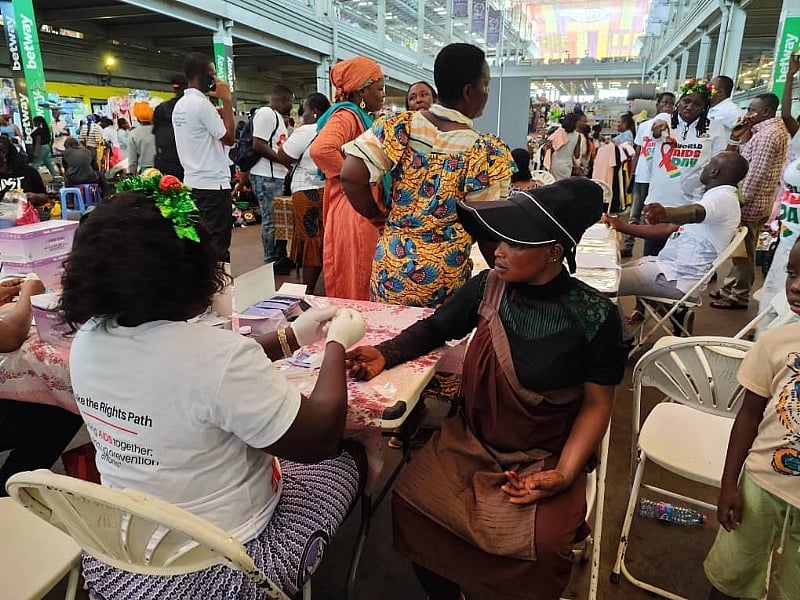
The GAC organized a free multiphasic health screening exercise at the bustling Kejetia market in Kumasi to commemorate World AIDS Day. This event provided a crucial platform to offer free and accessible health services to the community. The comprehensive screenings encompassed a range of vital tests, including HIV, blood sugar levels, blood pressure, and Body Mass Index (BMI). In addition, free condoms and HIV self-test kits were distributed, empowering individuals to take control of their sexual health and providing a discreet method for testing in the privacy of their own homes. The event’s theme, "Take the Right Path: Ending AIDS Together," encapsulates the collective responsibility required to combat this persistent health crisis.
Alarming Statistics and the Need for Proactive Testing
Ms. Graham revealed a stark reality: 3,650 new HIV infections were recorded in the Ashanti Region in 2023 alone. This translates to an average of 10 new infections daily, a sobering statistic that emphasizes the need for increased awareness and preventative measures. The multiphasic screening initiative aimed to encourage more individuals to undergo HIV testing, recognizing that fear and stigma often act as barriers to seeking this essential service. Ms. Graham highlighted the importance of understanding that HIV testing yields "reactive" or "non-reactive" results rather than simply positive or negative, a nuanced understanding that can help alleviate anxieties surrounding the testing process. Results are typically available within 15 minutes.
Post-Test Procedures and Emphasizing Treatment Availability
Individuals with reactive test results are subsequently provided with counseling and referrals to health centers for confirmatory testing. This crucial step ensures that individuals receive appropriate support and guidance as they navigate their diagnosis. Ms. Graham underscored the critical message that HIV is no longer a death sentence. With consistent ART, the viral load can be significantly reduced, enabling individuals to live long and healthy lives. She strongly encouraged widespread HIV testing, emphasizing the importance of knowing one’s status and accessing timely treatment if needed. This proactive approach is vital in achieving the ambitious 95% treatment target for infected individuals, a goal that would significantly curb the spread of the virus within the Ashanti Region and throughout Ghana.
Personal Testimonial and the Importance of Early Testing
A young woman in her early twenties, Ms. Princess Owusu-Ansah, shared her experience at the free screening event. As a sexually active individual, she sought testing to determine her HIV status, underscoring the importance of proactive health management among young adults. Her courage in publicly sharing her decision to get tested serves as a powerful example for others in her age group. Ms. Owusu-Ansah’s willingness to prioritize her health and take advantage of the free screening initiative highlights the impact of accessible and destigmatized testing services. Her story resonates with the broader message of empowerment and encourages others to take control of their health.
Conclusion: Collective Action and the Path Forward
The challenges faced by the Ashanti Region in addressing the HIV epidemic necessitate a multi-pronged approach. Increasing access to ART for those already infected, promoting widespread testing to identify new cases early, and continuing to educate the public about prevention strategies are all essential steps in curbing the spread of the virus. The story of Ms. Owusu-Ansah underscores the importance of removing the stigma surrounding HIV testing and empowering individuals to take charge of their health. The GAC’s efforts, exemplified by the World AIDS Day event, demonstrate the commitment to providing accessible healthcare services and promoting a path towards ending AIDS in Ghana. The ambitious 95% treatment target serves as a crucial benchmark for progress, and the continued focus on testing and education will be pivotal in realizing this goal. Ultimately, a collective effort, encompassing individuals, communities, and healthcare providers, will be necessary to effectively combat the HIV epidemic and create a healthier future for all.









