









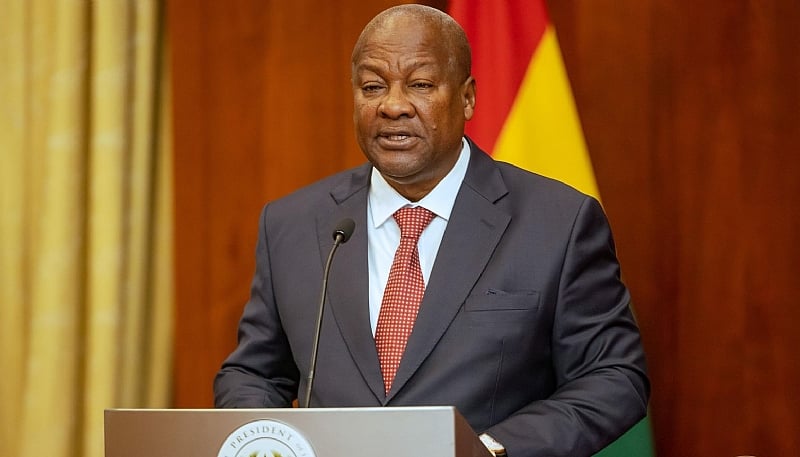
President John Dramani Mahama’s administration has unveiled a comprehensive plan to revolutionize Ghana’s road toll collection system, migrating from the antiquated manual tollbooth system to a fully digitized and automated mechanism. This transformative initiative, outlined in the 2025 Economic Policy and Budget Statement, aims to leverage the nation’s existing digital infrastructure, particularly the widespread adoption of the Ghana Card, to create a seamless and efficient toll collection process. The proposed system envisions a direct link between each vehicle and its owner’s Ghana Card, enabling automated billing of road tolls to the individual’s mobile money account or bank account. This digital transformation will eliminate the need for physical tollbooths, thereby mitigating traffic congestion and streamlining the payment experience for commuters.
The President emphasized the ongoing consultations to finalize the operational framework of the digital toll collection system. While the specifics are still being ironed out, the core principle remains the creation of a fast, efficient, and user-friendly system that minimizes delays and inconvenience. He illustrated the simplicity of the envisioned system by suggesting a scenario where a vehicle crossing a toll point would have its image captured, and the corresponding toll fee automatically deducted from the owner’s linked mobile money or bank account. This automated process would bypass the need for physical transactions and eliminate long queues at traditional toll booths, marking a significant improvement over the existing system.
The rationale behind this modernization effort extends beyond mere convenience. The government aims to address the inherent inefficiencies and revenue leakages that plagued the previous manual toll collection system. By transitioning to a digital platform, the authorities seek to enhance transparency and accountability in revenue collection, ensuring that funds allocated for road maintenance are effectively collected and managed. This digital leap is projected to bolster public revenue, providing a sustainable funding source for essential road infrastructure projects across the country.
Delving deeper into the core motivations behind this initiative, the digital toll collection system represents a significant step towards modernizing Ghana’s infrastructure and aligning its systems with global best practices. The reliance on the Ghana Card as the linchpin of the system showcases the potential of a national identification system in facilitating efficient service delivery and enhancing revenue collection. The integration of digital payment platforms, such as mobile money, further emphasizes the government’s commitment to promoting financial inclusion and leveraging technology to improve public services. The seamless and automated nature of the system is expected to reduce administrative overhead and minimize the opportunities for corruption, thereby ensuring that funds collected are channeled directly towards their intended purpose: road maintenance and development.
Furthermore, the shift to a digital toll collection mechanism has the potential to improve traffic flow and reduce congestion on Ghana’s roadways. The elimination of physical tollbooths, often bottlenecks for traffic, will create a smoother and more efficient commuting experience. This will not only save time for commuters but also reduce fuel consumption and contribute to a decrease in carbon emissions. The enhanced efficiency in toll collection will also free up resources that can be allocated towards other critical areas of infrastructure development, further contributing to the overall improvement of Ghana’s transportation network.
In conclusion, the proposed digital toll collection system represents a multifaceted approach to modernizing Ghana’s infrastructure and revenue collection processes. It demonstrates the power of technology to streamline public services, improve efficiency, and enhance transparency. By leveraging the existing digital infrastructure and linking vehicles to individual Ghana Cards, the government is creating a system that is not only convenient for citizens but also contributes to the sustainable funding of essential road maintenance. This initiative aligns with broader national goals of digital transformation and sets the stage for a more efficient and modernized transportation sector in Ghana. The transition to a fully digital system promises a significant improvement over the current manual toll collection process, paving the way for a smoother, faster, and more transparent system that benefits both commuters and the nation as a whole.









