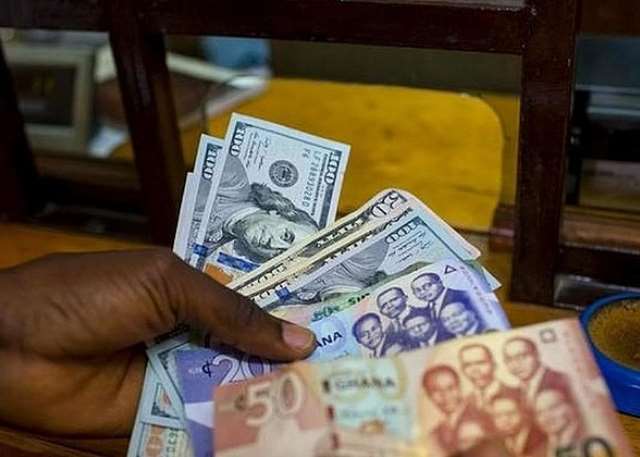
The State of the Ghanaian Cedi Against Major Currencies: A Comprehensive Analysis
The Ghanaian cedi’s performance against major international currencies, including the US dollar, British pound, and the euro, has been a subject of significant interest and scrutiny, particularly in recent times. As of January 27, 2025, the cedi exhibited a relatively stable trajectory against the US dollar, with a buying rate of GHS15.08 and a selling rate of GHS15.54. This stability indicates a degree of resilience in the face of potential market fluctuations, though the slight 2-pesewa increase in the selling rate compared to the previous Friday suggests some underlying pressures. These figures, obtained from Cedirates.com, a trusted Ghanaian platform tracking currency and fuel prices, provide a snapshot of the forex market dynamics.
A closer examination of the forex bureau rates reveals a slightly different picture. Here, the cedi trades at GHS15.70 for those selling cedis for dollars and GHS16.10 for those buying cedis with dollars. This difference in rates between the official market and forex bureaus is common and reflects the varying operational costs and profit margins of these establishments. The interbank market, representing transactions between banks, offers yet another perspective, with the cedi trading at GHS15.09 for buying dollars and GHS15.11 for selling dollars. These tighter margins are typical of interbank transactions due to the higher volumes and lower overhead costs.
The cedi’s performance against the British pound and the euro paints a similar picture of relative stability. Average exchange rates for the pound stand at GHS18.66 for selling cedis and GHS19.39 for buying cedis, while the euro trades at GHS15.63 for selling cedis and GHS16.29 for buying cedis. The Bank of Ghana’s interbank market offers slightly different rates, with the pound selling at GHS18.86 and the euro at GHS15.88. These variations across different market segments underscore the complexities of the foreign exchange landscape.
Money transfer services, a vital component of the modern financial system, also offer competitive exchange rates. LemFi and Afriex, two prominent players in this space, provide attractive rates for transfers from the US and the UK to Ghana. LemFi offers GHS15.05 per dollar and GHS18.64 per pound, while Afriex offers slightly different rates at GHS15.07 per dollar and GHS19.49 per pound. For euro transfers, both services offer GHS15.70 per euro. These competitive rates highlight the increasing importance of money transfer operators in facilitating international transactions and influencing exchange rate dynamics.
Digital subscriptions, an increasingly prevalent aspect of modern consumption, are also subject to specific exchange rates. Payments for platforms like Netflix, Spotify, and Apple Music using Visa and Mastercard are processed at a rate of GHS16.32 per US dollar. This rate, often slightly higher than other market segments, reflects the fees and charges associated with international card transactions.
Understanding these nuanced exchange rate variations across different market segments, from forex bureaus and interbank markets to money transfer services and digital subscription payments, provides a comprehensive overview of the Ghanaian cedi’s performance. These variations underscore the importance of considering the specific context and transaction type when assessing the true value of the cedi against major international currencies. Furthermore, keeping abreast of these fluctuations is crucial for businesses, individuals, and policymakers involved in international trade, investment, and financial planning.
The relatively stable performance of the cedi, as observed on January 27, 2025, suggests a degree of resilience in the Ghanaian economy. However, the slight variations in selling rates and the differentials across different market segments indicate the continued need for careful monitoring and analysis. Factors such as inflation, interest rates, international trade balances, and global economic conditions play a significant role in influencing these exchange rate dynamics.
For businesses engaged in international trade, understanding these exchange rate intricacies is paramount for effective financial management and risk mitigation. Similarly, individuals making international money transfers or subscribing to digital services benefit from awareness of the applicable exchange rates to make informed decisions. Policymakers, on the other hand, rely on these market indicators to formulate appropriate monetary and fiscal policies to maintain economic stability and promote growth.
The information provided by platforms like Cedirates.com serves as a valuable resource for tracking these market dynamics and empowering stakeholders with the knowledge to navigate the complexities of the foreign exchange market. By staying informed about these fluctuations and understanding the underlying forces driving them, businesses, individuals, and policymakers can make more informed decisions and contribute to a more stable and prosperous Ghanaian economy.
The continuous monitoring of these exchange rates, coupled with a thorough understanding of the factors influencing them, will be crucial for navigating the evolving economic landscape and ensuring the long-term stability of the Ghanaian cedi. This ongoing analysis will also provide valuable insights for policymakers and market participants to make informed decisions that support sustainable economic growth and enhance the competitiveness of the Ghanaian economy in the global arena.
The data presented offers a comprehensive snapshot of the prevailing exchange rates between the Ghanaian cedi and major international currencies. This information is vital for individuals and businesses engaged in international transactions, allowing them to make informed decisions and manage their finances effectively. Furthermore, it provides valuable insights for policymakers and analysts seeking to understand the dynamics of the Ghanaian economy and its interactions with the global financial system.
By highlighting the variations in exchange rates across different market segments, from forex bureaus to money transfer operators, this analysis underscores the importance of carefully considering the specific context of each transaction. This awareness empowers stakeholders to optimize their financial strategies and mitigate potential risks associated with currency fluctuations. Furthermore, it contributes to a more transparent and efficient foreign exchange market, fostering trust and promoting smoother international trade and investment flows.
The insights gleaned from this data provide a foundation for ongoing monitoring and analysis of the Ghanaian cedi’s performance. This ongoing assessment will be crucial for anticipating potential market trends, adapting to changing economic conditions, and ensuring the long-term stability and resilience of the Ghanaian economy.
Finally, this comprehensive analysis underscores the interconnectedness of the global financial system and the importance of staying informed about exchange rate dynamics. By equipping individuals, businesses, and policymakers with the knowledge and tools to navigate these complexities, we can promote a more stable and prosperous future for Ghana and its integration into the global economy.