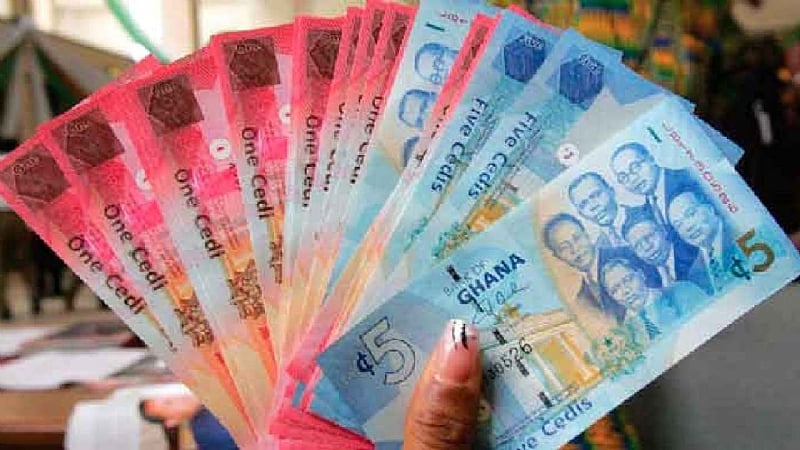
The Ghanaian Cedi experienced mixed performance against the US dollar on Thursday, December 19, 2024, showing a slight appreciation in the buying rate and a corresponding depreciation in the selling rate. According to data from Cedirates.com, a reliable source for currency information in Ghana, the Cedi’s buying rate strengthened by 1 pesewa to reach GHS14.73 per dollar, while the selling rate weakened by the same margin, settling at GHS15.21 per dollar. This marginal fluctuation suggests a relatively stable exchange rate environment, albeit with a slightly higher cost for those looking to acquire dollars. The interbank rates, reflecting transactions between banks, painted a similar picture, with the Cedi trading at GHS14.72 for buying and GHS14.74 for selling against the US dollar. This indicates a relatively narrow spread between the buying and selling rates in the interbank market, signifying efficient currency trading among financial institutions.
Beyond the US dollar, the Cedi’s performance against other major currencies like the British Pound Sterling and the Euro also provides insights into the Ghanaian currency’s overall strength. The average buying rate for the Pound stood at GHS18.31, while the selling rate reached GHS19.17. Similarly, the Euro traded at an average buying rate of GHS15.22 and a selling rate of GHS15.82. These rates suggest a relatively weaker position for the Cedi against these currencies compared to the US dollar. The Bank of Ghana’s interbank market echoed these trends, with the Pound selling at GHS18.71 and the Euro at GHS15.43. The consistency between the average market rates and the interbank rates reinforces the reliability of the reported figures and indicates a stable, albeit slightly weaker, Cedi against these major international currencies.
The emergence of digital remittance platforms like LemFi and Afriex has introduced competitive dynamics into the currency exchange market, particularly for Ghanaians receiving money from abroad. These platforms offer attractive rates for those sending money from the US or the UK to Ghana. LemFi provides a rate of GHS14.65 per dollar, while Afriex offers a slightly higher rate of GHS14.70 per dollar. These rates are notably more favorable than the average market selling rate, potentially saving recipients a significant amount on transfer fees and exchange rate margins. This competition benefits consumers by providing more cost-effective options for receiving international remittances. For those sending British Pounds, LemFi and Afriex offer buying rates of GHS18.59, and selling rates of GHS15.27 respectively, showcasing varying strategies in attracting customers.
The Euro rates offered by these platforms also reflect competitive pricing. Afriex sells Euros at GHS15.31, while LemFi offers a slightly higher rate of GHS15.34 per Euro. The minor difference between the rates suggests a closely contested market where these platforms strive to offer the most attractive rates to consumers. This competition ultimately benefits those sending and receiving money in Euros, providing them with choices and potentially lower costs. The availability of multiple remittance platforms with competitive rates empowers consumers and contributes to a more dynamic and efficient remittance market in Ghana.
For Ghanaians making international online payments for services like Netflix, Spotify, and Apple Music, using Visa and Mastercard incurs a slightly higher exchange rate. Both payment processors offer a dollar rate of GHS15.78. This rate is higher than the market average and the rates offered by remittance platforms, reflecting the fees and charges associated with international transactions processed through these payment networks. While the convenience of using these cards for online subscriptions is undeniable, users should be aware of the slightly higher exchange rate they incur compared to other available options. Understanding these rate differences allows consumers to make informed decisions about the most cost-effective way to manage their international online payments.
In summary, the Ghanaian Cedi exhibited mixed performance against the US dollar, appreciating slightly in buying rate but depreciating in selling rate. Against the British Pound and the Euro, the Cedi remained relatively stable, albeit slightly weaker. The emergence of digital remittance platforms like LemFi and Afriex has injected competition into the market, offering favorable rates for those receiving remittances from the US and the UK. This competition benefits consumers by providing more choice and potentially lower costs. For international online payments, using Visa and Mastercard incurs a slightly higher exchange rate compared to other options. Understanding these nuances in the currency exchange market empowers individuals and businesses in Ghana to make informed financial decisions.