





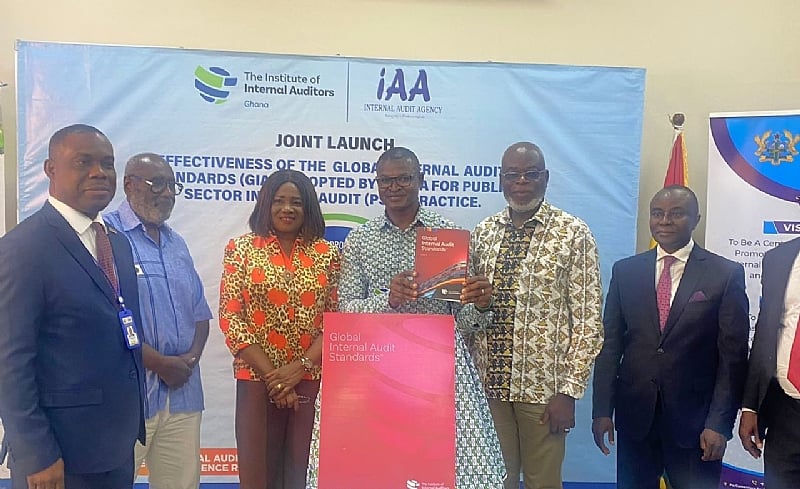
Ghana’s adoption of the Global Internal Audit Standards (GIAS) marks a significant milestone in the country’s pursuit of enhanced financial governance, transparency, and accountability within the public sector. Implemented in January 2024, the GIAS, comprising 52 standards organized into five domains and 15 guiding principles, provides a comprehensive framework for internal audit functions to operate effectively and contribute to improved organizational performance. This proactive approach positions Ghana as a leader in adopting these international standards, setting a precedent for other nations, particularly within Africa, and elevating the country’s standing within the global internal audit community. The implementation of GIAS within the Ghanaian public sector signifies a concerted effort to strengthen the Public Financial Management (PFM) system, a crucial element in promoting efficient and responsible use of public resources.
The development and implementation of GIAS in Ghana involved a year-long process of meticulous planning and collaboration. The Internal Audit Agency (IAA) spearheaded this initiative, developing a detailed implementation roadmap, conducting extensive stakeholder orientations, and reviewing internal audit charters for public institutions. This comprehensive approach ensured that the standards were not simply adopted verbatim, but rather adapted to the specific context of the Ghanaian public sector. The IAA’s efforts were complemented by the active participation of the Institute of Internal Auditors (IIA) Ghana, demonstrating a unified approach to enhancing internal audit practices nationwide. The collaborative nature of this process, involving consultations with various organizations and individuals, ensured that the adopted standards accurately reflect Ghana’s unique perspectives and needs, fostering a sense of ownership and commitment to their effective implementation.
The launch of the Public Sector Internal Audit (PSIA) practice is a direct result of GIAS implementation. This specialized framework provides internal auditors within public sector entities with the necessary tools and guidance to perform their duties effectively, upholding the highest standards of professionalism and integrity. The PSIA practice aims to standardize internal audit procedures across the public sector, ensuring consistency and comparability, while promoting a culture of continuous improvement and enhanced accountability. By equipping internal auditors with the knowledge and skills to identify and address potential risks, the PSIA practice plays a key role in mitigating financial mismanagement, promoting transparency, and ultimately strengthening public trust.
The successful implementation of GIAS relies heavily on the cooperation and support of all stakeholders, particularly heads of public institutions. Internal auditors, operating as advisors and assurance providers, require the necessary space and authority to execute their duties effectively. By facilitating their work, institutions can benefit from improved risk management, enhanced internal controls, and increased transparency in financial transactions. The GIAS framework emphasizes the importance of internal auditors’ independence and objectivity, empowering them to provide unbiased assessments and recommendations to management, thereby contributing to improved decision-making and organizational effectiveness.
The adoption of GIAS in Ghana is particularly timely given the rapidly evolving technological landscape and the emergence of new and complex risks. Emerging technologies such as robotics, artificial intelligence, and machine learning present both opportunities and challenges for organizations. While these technologies can enhance efficiency and productivity, they also introduce novel risks that require sophisticated internal audit procedures to mitigate. GIAS equips internal auditors with the necessary framework to address these evolving risks, safeguarding public resources and ensuring that institutions remain resilient in the face of technological advancements. The standards provide a framework for adapting to the dynamic risk environment, enabling internal auditors to proactively identify and address potential threats and vulnerabilities.
While the Ghanaian government and public sector have taken the lead in adopting GIAS, there is a strong call for the private sector and non-governmental organizations to follow suit. A unified approach to internal audit standards across all sectors would create a more robust and transparent governance environment, promoting ethical conduct and fostering greater public trust. Furthermore, the call for legislative support to formally recognize the Institute of Internal Auditors as a professional body underscores the importance of strengthening the profession and ensuring the protection of internal auditors under international law. This formal recognition would further enhance the credibility and influence of internal auditors, enabling them to play a more effective role in promoting good governance and accountability.








