









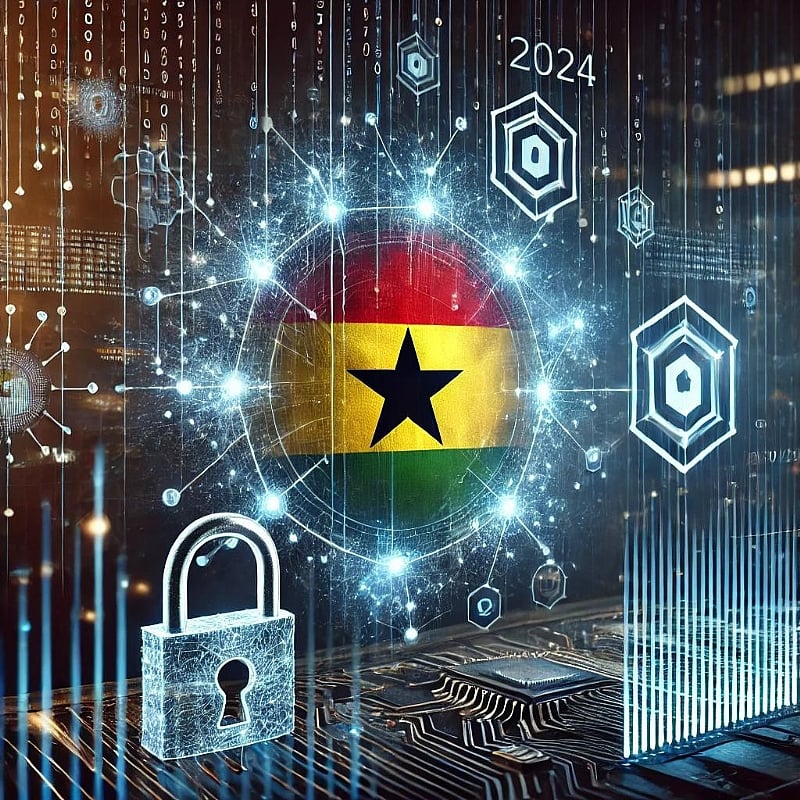
Ghana’s cybersecurity landscape in 2024 presented a complex picture of progress and persistent challenges. On one hand, the nation received international recognition for its cybersecurity efforts, establishing itself as a leader in Africa. The Cyber Security Authority of Ghana (CSA) spearheaded initiatives to bolster the country’s cyber resilience, implementing policies and frameworks aimed at protecting digital infrastructure and citizens alike. Conversely, Ghana also faced significant cyber threats, including a surge in data breaches, high rates of DDoS attacks, and vulnerability to online fraud. This duality underscores the dynamic nature of cybersecurity, where advancements are constantly challenged by evolving threats.
The International Telecommunication Union (ITU) recognized Ghana as a top-performing country in cybersecurity, placing it in the first tier of its Global Cybersecurity Index (GCI). This accolade reflected Ghana’s commitment to building a robust cybersecurity framework and served as a testament to the collaborative efforts between government agencies, private organizations, and individuals. The launch of the National Cybersecurity Policy and Strategy (NCPS) further solidified Ghana’s proactive stance, outlining a five-year roadmap to address evolving cyber threats and align with international best practices. This strategic approach aimed to create a resilient digital ecosystem, secure critical infrastructure, enhance national capacity, and foster international cooperation in combating cybercrime.
Ghana’s commitment to cybersecurity extended beyond infrastructure protection to encompass the safety of its citizens, particularly children. Recognizing the increasing risks faced by children in the digital realm, the nation launched a Child Online Protection (COP) framework. This framework sought to address issues such as cyberbullying, online harassment, exposure to inappropriate content, and child sexual exploitation. By providing guidelines and resources, the COP framework aimed to create a safer online environment for children and empower them to navigate the digital world responsibly.
The CSA played a pivotal role in enforcing cybersecurity standards and ensuring compliance within various sectors. The Authority inaugurated a team of independent assessors to evaluate organizations’ cybersecurity practices and adherence to regulations. Furthermore, the CSA continued its licensing and accreditation process for Cybersecurity Service Providers (CSPs), Cybersecurity Establishments (CEs), and Cybersecurity Professionals (CPs), emphasizing the importance of qualified and certified professionals in the cybersecurity ecosystem. This rigorous approach aimed to raise the overall standard of cybersecurity practices across the country.
Despite these positive developments, Ghana faced significant challenges in the cybersecurity arena. Reports indicated a dramatic increase in data breaches, with Ghana experiencing a staggering 997% surge in the first quarter of 2024 compared to the previous quarter. This surge resulted in over 1.2 million data breaches, exposing sensitive information and highlighting the vulnerability of individuals and organizations. Furthermore, Ghana recorded the highest number of Distributed Denial of Service (DDoS) attacks in West Africa, with over 4,753 incidents reported. These attacks disrupted online services and underscored the need for robust mitigation strategies.
Ghana’s vulnerability extended to online fraud, where it was identified as one of the least protected countries globally. The CSA reported over 210 cases of online shopping scams, resulting in significant financial losses for victims. This vulnerability was further compounded by the increasing sophistication of fraud techniques, including the use of AI-powered technologies like deepfakes. These challenges highlighted the need for continuous improvement in fraud detection and prevention mechanisms, as well as increased public awareness about online scams. The Bank of Ghana’s fraud report further emphasized this concern, indicating a rise in fraud cases and associated financial losses. In conclusion, while Ghana made commendable progress in strengthening its cybersecurity posture in 2024, it also faced significant hurdles. The country’s achievements in policy development, framework implementation, and international recognition were juxtaposed with the stark reality of increasing cyber threats, including data breaches, DDoS attacks, and online fraud. Moving forward, a multi-faceted approach involving continuous improvement in security measures, enhanced public awareness, and stronger international collaboration will be crucial to ensuring a secure and resilient digital ecosystem for all Ghanaians.









