









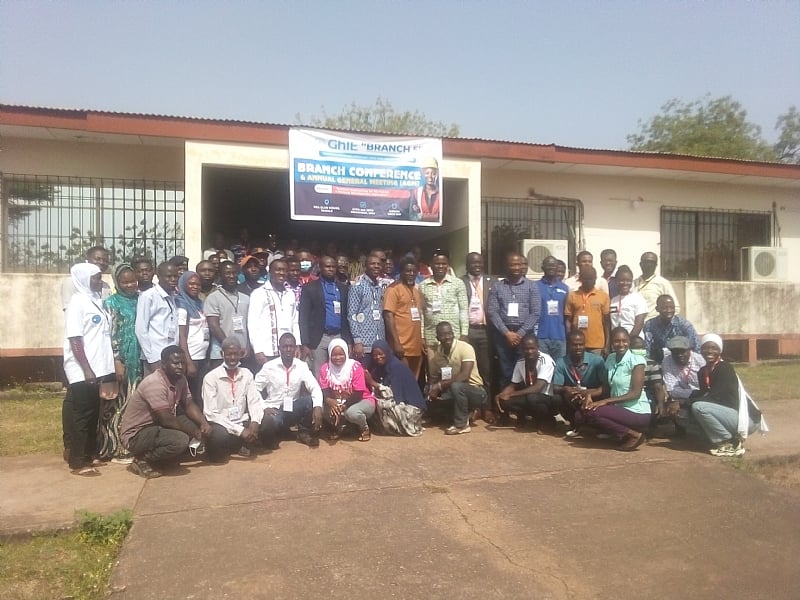
The Ghana Institute of Engineers (GhIE) recently held its second edition of the Branch Five Annual General Meeting (AGM) and conference in Tamale, emphasizing the pivotal role of engineers in driving national development. The event, themed “Engineering for Sustainable Development: Resilient Engineering for the Future: A National Development Imperative,” served as a platform for stakeholders, including industry professionals, student engineers, researchers, and academia, to exchange ideas and showcase innovative projects aimed at propelling the country forward. Key discussions focused on the need for engineers to embrace advancements in technology and adhere to industry regulations to ensure the delivery of quality projects that uphold professional integrity and guarantee value for money.
Professor Adams Issahaku, the Dean of the Faculty of Business School at Tamale Technical University (TaTU), highlighted the importance of resource prioritization in engineering practices. He encouraged professionals to adopt innovative techniques and technologies that minimize the reliance on non-renewable resources and reduce waste throughout construction and manufacturing processes. By incorporating the principles of a circular economy, engineers can design systems that prioritize the reuse and recycling of materials, contributing to sustainable development and environmental stewardship. Furthermore, he underlined the need for engineers to conceptualize smart cities equipped with green spaces, efficient public transport, and robust water conservation and waste management strategies, thereby enhancing the quality of life for future generations.
Ing. Abdul-Shakud Iddrisu, the Director of ICT and Chairperson of the Northern Regional Branch, underscored the necessity for resilient engineering practices in light of challenges posed by technological advancements, climate change, health crises, and socio-economic transformations. He pointed out that Ghana faces pressing demands due to rapid urbanization, population growth, and an increasing need for energy, housing, transportation, and jobs. Therefore, engineers must rise to the occasion, implementing resilient systems that are not just solutions to current challenges but also adaptable to future needs. Iddrisu asserted that engineers play a crucial role as both builders and solution architects, emphasizing the need for innovation and leadership in a rapidly evolving landscape.
The two-day conference provided an opportunity for the GhIE Branch to review its progress over the years, deliberate on new initiatives, and renew commitment to the sector’s collective vision amid ongoing changes. In addition, the event included workshops and discussions aimed at building synergies among members and stakeholders to foster collaboration in addressing industry concerns effectively. By sharing knowledge and experiences, participants examined strategies to tackle pressing issues in the engineering sector, thereby enhancing the overall capacity to implement comprehensive solutions.
Moreover, the conference served as a platform for electing new executives tasked with spearheading activities in the region. These newly elected officials are expected to lead efforts directed at promoting professional development, encouraging innovation, and building partnerships between academic institutions and industry. Emphasizing the significance of such collaborations, Professor Issahaku asserted the university’s commitment to providing technical education and training that aligns with industry needs, fostering a culture of continuous professional development essential for bridging the gap between academia and the engineering profession.
In conclusion, the GhIE’s AGM and conference signified a commitment to advancing the engineering profession as a vital component of national development. With a focus on sustainability, resilience, and innovation, engineers in Ghana are called to actively participate in creating effective solutions that accommodate the demands of an ever-changing world. The event underscored the necessity of collaboration, knowledge sharing, and continuous professional education as critical factors in enabling engineers to meet the current and future challenges facing the industry and society as a whole.









