





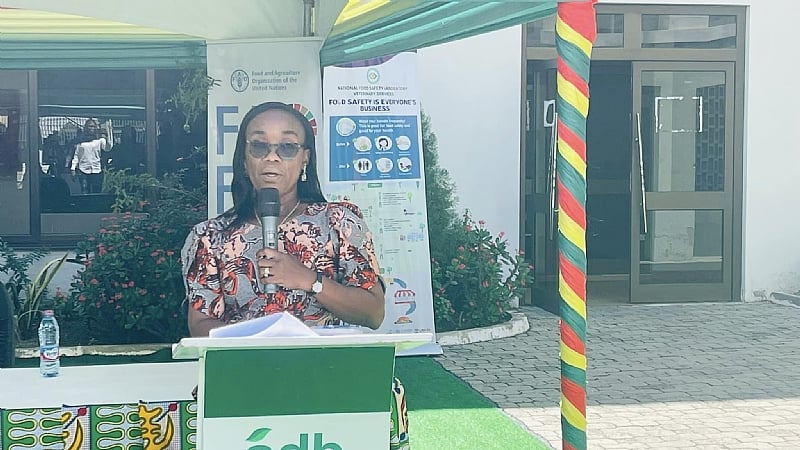
During the 44th World Food Day celebration in Accra, Madam Rosemary Abbey, the Director of Finance and Administration at the Ministry of Fisheries and Aquaculture Development, reiterated Ghana’s commitment to sustainable fisheries and food security. She emphasized the government’s multi-faceted approach in protecting marine resources and enhancing fish production, which includes implementing closed fishing seasons, modernizing fishing infrastructure, and promoting aquaculture. Her statements underscore the government’s recognition of the integral role these initiatives play in ensuring food security and economic stability for fishing communities, reinforcing the need for a collective response from Ghanaians to safeguard the nation’s water bodies.
Madam Abbey illuminated the pressing necessity for sustainable fisheries practices to rebuild fish stocks, which is fundamental in securing the livelihood of fishermen and fish-dependent communities. By advocating for cooperative action among all stakeholders, she stressed that the sustainable management of aquatic resources is crucial for Ghana’s broader national development agenda. Her insights highlight the critical interdependence between human well-being, economic prosperity, and the health of marine ecosystems, aligning with the increasing global focus on environmental sustainability.
A significant element of her presentation was the introduction of Ghana’s National Aquaculture Development Plan for the years 2024 to 2028. This ambitious initiative aims to elevate fish production to 211,697 metric tons by 2028 and to simultaneously reduce the country’s reliance on fish imports. Madam Abbey emphasized that enhancing aquaculture would address the ballooning demand for fish, a staple in Ghanaian diets, while also creating employment opportunities for the youth. Such measures are pivotal in fostering local economies and mitigating poverty, particularly in coastal regions where fishing is a primary source of income.
Moreover, the Director highlighted the urgent need to bridge the existing demand-supply gap in the fisheries sector to bolster food security. As Ghana continues to navigate challenges such as overfishing, climate change, and pollution of aquatic ecosystems, the commitment to sustainable aquaculture becomes even more essential. The emphasis on modernizing infrastructure and practices within the sector will not only improve production efficiency but will also reduce post-harvest losses, thereby maximizing the benefits derived from fishing activities.
In her address, Abbey acknowledged the broader implications of World Food Day, recognizing it as a valuable platform for addressing food and nutritional security challenges faced by the nation. She reiterated that collective action, both at the community and governmental levels, is vital to meet Ghana’s food and nutrition targets outlined in various sustainable development goals. The need for collaboration among actors within the food system was particularly emphasized as a pathway to achieving long-term benefits for all stakeholders involved.
In summary, Madam Rosemary Abbey’s insights reveal a comprehensive strategy being employed by the Ghanaian government to ensure sustainable fisheries and enhance food security within the nation. Through initiatives aimed at increasing fish production, reducing imports, and fostering economic opportunities for the youth, the government is poised to tackle the challenges present in the fisheries sector. Her call for collective responsibility reinforces the notion that true progress in managing aquatic resources lies in concerted efforts from every sector of society, aimed at achieving a sustainable future for Ghana’s fisheries and aquaculture.








