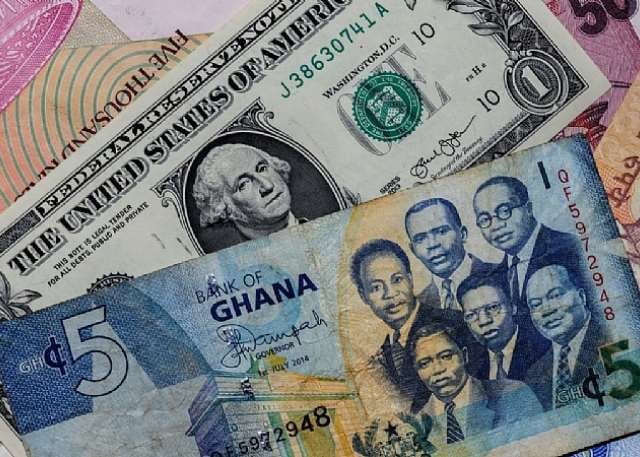
The Ghanaian Cedi’s Performance Against Major Currencies: A Comprehensive Overview
The Ghanaian cedi’s value against the US dollar has been subject to fluctuations, reflecting the dynamic nature of the foreign exchange market. As of June 9, 2025, the average buying rate for the US dollar stands at GHS10.14, while the selling rate is GHS10.88. This indicates that individuals looking to acquire dollars would pay GHS10.88 for each dollar, while those selling dollars would receive GHS10.14 per dollar. These rates, sourced from Cedirates.com, a reliable platform for currency information in Ghana, provide a snapshot of the cedi’s performance against the dollar.
At forex bureaus, which serve as crucial points for currency exchange, the rates differ slightly. Individuals exchanging dollars for cedis can obtain GHS11.40 for each dollar, while those converting cedis to dollars will receive GHS11.95 per dollar exchanged. This difference in rates reflects the forex bureaus’ margin, which covers their operational costs and profit. Comparing these rates with the average rates highlights the variations in the currency exchange landscape.
The interbank market, where financial institutions trade currencies, presents a different pricing structure. The buying rate for the US dollar on the interbank market is GHS10.24, while the selling rate is GHS10.26. The narrower spread between these rates compared to forex bureau rates reflects the larger volumes traded and the lower transaction costs typically associated with interbank transactions.
The Ghanaian cedi’s exchange rate against the British pound and the euro also exhibits variations across different platforms. The average exchange rate for converting pounds to cedis is GHS13.60, while converting cedis to pounds commands a rate of GHS14.59. For the euro, the average rates are GHS11.49 for exchanging euros for cedis and GHS12.39 for converting cedis to euros. These rates underscore the interplay of various factors influencing currency values, including market demand, economic conditions, and international trade dynamics.
On the Bank of Ghana interbank market, the British pound sells for GHS13.94, while the euro trades at GHS11.74. These rates, set by the central bank, serve as benchmarks for other financial institutions and provide stability to the foreign exchange market. The slight differences between these rates and those offered by other platforms reflect the central bank’s role in managing currency fluctuations and maintaining stability.
Money transfer services, which facilitate cross-border transactions, offer competitive exchange rates for remittances. LemFi offers a rate of GHS10.18 per dollar for transfers from the US or the UK to Ghana, while Hurupay provides a slightly higher rate of GHS10.27 per dollar. For the British pound, LemFi offers GHS13.80, and Afriex provides GHS15.31. For the euro, Afriex offers GHS12.90, while LemFi offers GHS11.60. These varying rates cater to the needs of individuals sending money to Ghana, offering choices based on preferred services and exchange rate competitiveness.
Digital subscription payments, a growing segment of online transactions, also have specific exchange rates. Payments for services like Netflix, Spotify, or Apple Music using Visa and Mastercard settle at a rate of GHS11.02 per dollar. This rate reflects the card networks’ processing fees and currency conversion charges. Understanding these different rates empowers consumers to make informed decisions regarding their transactions, whether exchanging currency for travel, sending remittances, or paying for online services.
Analyzing the Ghanaian Cedi’s Performance: Factors and Implications
The fluctuations in the Ghanaian cedi’s value against major currencies reflect the complex interplay of economic and market forces. Several factors contribute to these variations, including:
-
Supply and Demand: The fundamental principle of economics, supply and demand, plays a significant role in determining exchange rates. Increased demand for a currency, such as the US dollar, relative to the Ghanaian cedi, can lead to a depreciation of the cedi. Conversely, a surge in the supply of dollars can strengthen the cedi.
-
Economic Performance: The overall health of the Ghanaian economy, including its growth rate, inflation, and trade balance, influences the cedi’s value. A strong and stable economy tends to attract foreign investment, increasing demand for the cedi and boosting its value. Conversely, economic challenges can lead to capital flight and a weakening of the currency.
-
Interest Rates: Interest rate differentials between countries also affect exchange rates. Higher interest rates in Ghana relative to other countries can attract foreign capital seeking higher returns, increasing demand for the cedi and strengthening its value.
-
Government Policies: Government fiscal and monetary policies, including exchange rate interventions and trade regulations, can impact the cedi’s performance. Policies aimed at stabilizing the currency and promoting economic growth can influence its value in the international market.
- Global Market Conditions: External factors, such as global economic growth, commodity prices, and geopolitical events, can also affect the cedi’s exchange rate. Changes in global demand for Ghanaian exports, such as cocoa or gold, can influence the flow of foreign currency into the country, affecting the cedi’s value.
Understanding Currency Exchange Rates: Key Concepts
To further grasp the dynamics of currency exchange rates, it’s essential to understand some key concepts:
-
Buying Rate: The buying rate, also known as the bid price, is the price at which a currency exchange provider or bank is willing to buy a particular currency. It represents the value they assign to the currency being sold.
-
Selling Rate: The selling rate, also known as the ask price, is the price at which a currency exchange provider or bank is willing to sell a particular currency. It represents the value they assign to the currency being purchased.
-
Spread: The spread is the difference between the buying and selling rates. It represents the profit margin for the currency exchange provider and covers their operational costs.
-
Interbank Market: The interbank market is a global network where financial institutions trade currencies with each other. It plays a crucial role in setting exchange rates and facilitating large-volume transactions.
-
Forex Bureaus: Forex bureaus are businesses that specialize in exchanging currencies. They provide services to individuals and businesses and typically offer competitive exchange rates.
- Money Transfer Services: Money transfer services facilitate the transfer of funds between countries. They often offer competitive exchange rates and provide convenient ways to send and receive money across borders.
The Importance of Reliable Currency Information
Having access to accurate and timely currency information is crucial for individuals and businesses engaged in international transactions. Websites like Cedirates.com serve as valuable resources for tracking currency rates and staying informed about market trends. Reliable currency information enables informed decision-making, allowing individuals and businesses to optimize their exchange transactions and manage currency risk effectively.
Conclusion: Navigating the Currency Exchange Landscape
The Ghanaian cedi’s exchange rate against major currencies is influenced by a complex interplay of factors, both domestic and international. Understanding these factors and the different exchange rate mechanisms is essential for individuals and businesses operating in the global market. By staying informed about exchange rate fluctuations and utilizing reliable currency information sources, consumers and businesses can navigate the currency exchange landscape effectively and make sound financial decisions.