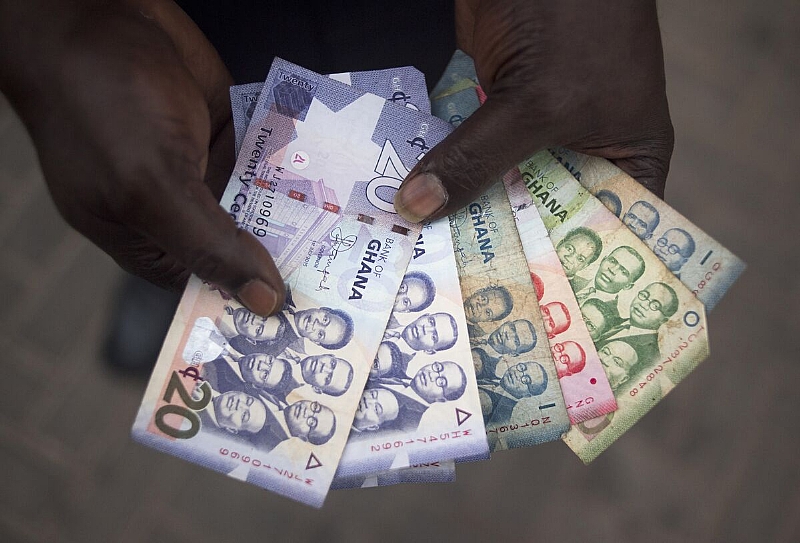
The Ghanaian Cedi has continued its positive trajectory against the US dollar, appreciating by 1 pesewa in both buying and selling rates compared to the previous day’s figures. As of December 24, 2024, the Cedi’s buying rate stands at GHS14.66, while the selling rate is GHS15.10, according to data from Cedirates.com, a reliable source for currency and fuel information in Ghana. This slight but consistent appreciation signals a strengthening of the Cedi against the dollar, suggesting positive economic indicators or market sentiment. At interbank rates, the Cedi trades at GHS14.64 for buying and GHS14.66 for selling, further corroborating the overall trend of appreciation. This positive movement against the dollar could have implications for import costs, inflation, and the overall economic stability of Ghana.
Beyond the US dollar, the Cedi’s performance against other major currencies also paints a picture of relative stability. Against the British Pound Sterling, the average buying rate is GHS18.13, and the selling rate is GHS18.96. Similarly, the Euro trades at GHS15.12 for buying and GHS15.76 for selling. These rates suggest a balanced exchange dynamic, with no dramatic fluctuations in the Cedi’s value. The Bank of Ghana’s interbank market reflects similar figures, with the Pound selling at GHS18.38 and the Euro at GHS15.23. This alignment between the general market and the interbank rates indicates a healthy and transparent currency exchange environment.
Remittance services like LemFi and Afriex offer competitive rates for money transfers to Ghana from the US and the UK. Both platforms offer a rate of approximately GHS14.65 to GHS14.70 per US dollar, indicating a cost-effective way to send money home for Ghanaians living abroad. For transfers from the UK, these platforms offer buying and selling rates of around GHS18.34 and GHS15.27 for the British Pound, respectively, providing competitive options for remittances. This competition among remittance services benefits consumers by offering more choices and potentially lower transaction costs. The prevalence of these digital platforms also highlights the increasing importance of technology in facilitating cross-border financial transactions.
For Euro transfers, Afriex offers a selling rate of GHS15.31, while LemFi provides GHS15.22 per Euro. These slight variations in rates provide consumers with the opportunity to choose the platform that best suits their needs. The availability of multiple platforms with varying rates underscores the dynamic nature of the remittance market and the importance of comparing options before conducting transactions. The relatively close proximity of the rates also suggests a stable and competitive market for Euro-to-Cedi transfers.
Consumers looking to renew subscriptions to international services like Netflix, Spotify, or Apple Music using Visa or Mastercard will find a consistent rate of GHS15.78 per US dollar offered by both payment processors. This standardized rate simplifies budgeting and planning for recurring subscription payments denominated in US dollars. The fact that both Visa and Mastercard offer the same rate indicates a lack of significant price competition in this specific segment of the market. This could be due to various factors, including market dominance, regulatory influences, or established pricing structures.
In summary, the Ghanaian Cedi has shown recent signs of strengthening against the US dollar, appreciating slightly in both buying and selling rates. The currency maintains a relatively stable position against other major currencies like the British Pound and the Euro. The remittance market offers competitive rates for money transfers to Ghana from various countries, with platforms like LemFi and Afriex providing convenient and cost-effective options. Meanwhile, the rates offered by Visa and Mastercard for US dollar transactions remain consistent for online subscription renewals. These factors collectively create a dynamic and evolving currency landscape in Ghana, influenced by market forces, technological advancements, and global economic trends.