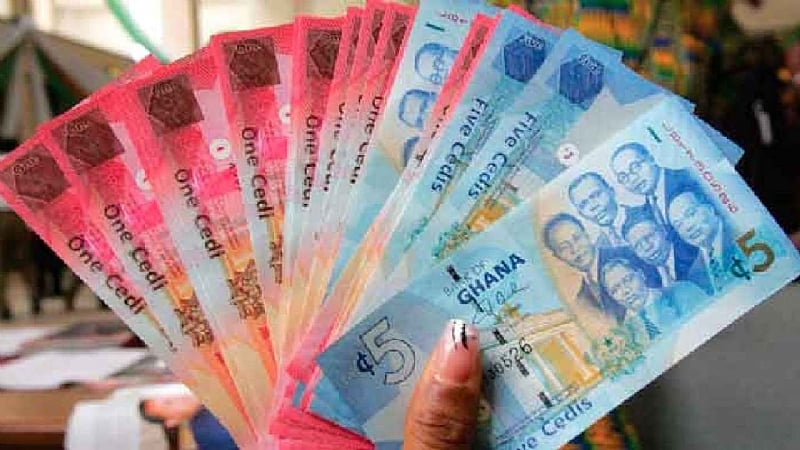
The Ghanaian Cedi exhibited continued strength against the United States dollar on Tuesday, December 24, 2024, appreciating by 2 pesewas in both buying and selling rates compared to the previous day. According to Cedirates.com, a reliable source for currency and fuel information in Ghana, the Cedi’s buying rate stood at GHS14.67 per US dollar, while the selling rate reached GHS15.11. This upward trend indicates a positive development for the Ghanaian currency, potentially stemming from factors such as increased investor confidence, improved export performance, or effective monetary policies. These rates reflect the prices at which exchange bureaus and commercial banks were transacting with the public. The interbank rates, reflecting transactions between banks, showed a slightly stronger Cedi, trading at GHS14.64 for buying and GHS14.66 for selling against the US dollar. This minor difference between retail and interbank rates is typical, reflecting the operational costs and profit margins of the retail currency exchange market.
The Cedi also performed relatively well against other major international currencies. Against the British Pound Sterling, the average buying rate was GHS18.12, and the average selling rate was GHS18.97. Similarly, the Euro traded at an average buying rate of GHS15.13 and a selling rate of GHS15.69. The Bank of Ghana’s interbank market displayed a slightly stronger Cedi against these currencies as well, with the Pound selling at GHS18.36 and the Euro at GHS15.25. These interbank rates serve as benchmarks for the broader market and often influence the rates offered by commercial banks and exchange bureaus. The relatively stable performance of the Cedi against these major currencies suggests a healthy and resilient Ghanaian economy.
Remittance services like LemFi and Afriex provided competitive rates for individuals sending money to Ghana from the US and the UK. Both platforms offered a rate of GHS14.65 per dollar for transfers from the US, while Afriex offered a slightly higher rate of GHS14.70 per dollar for transfers from the UK. These rates are generally more favorable than traditional banking channels, making these platforms an attractive option for Ghanaians receiving remittances from abroad. This competitive landscape benefits consumers and contributes to a more dynamic and efficient remittance market. The presence of these digital remittance platforms further highlights the increasing role of technology in facilitating cross-border financial transactions.
For remittances in British Pounds, LemFi offered a buying rate of GHS18.34, while Afriex provided a buying rate of GHS15.27. This significant difference in rates underscores the importance of comparing offers from different remittance providers before initiating a transfer. Choosing the right platform can result in substantial savings for both the sender and the recipient. For Euro remittances, Afriex offered a selling rate of GHS15.31, while LemFi provided a slightly lower rate of GHS15.22. These competitive rates, close to the interbank rates, further demonstrate the efficiency and cost-effectiveness of these digital remittance platforms.
For those looking to make international online payments, such as renewing subscriptions for services like Netflix, Spotify, or Apple Music, Visa and Mastercard offered a US dollar exchange rate of GHS15.78. This rate is notably higher than the prevailing market rates, highlighting the premium charged by payment processors for international transactions. Consumers should be aware of these higher rates and factor them into their budgeting when using credit or debit cards for international online purchases. The difference between the market rate and the rates offered by card processors represents the transaction fees and currency conversion charges levied by these companies.
Overall, the Ghanaian Cedi demonstrated positive performance against major currencies on December 24, 2024. The appreciation against the US dollar, along with relatively stable rates against the British Pound and the Euro, suggests a healthy and resilient economy. The competitive rates offered by remittance platforms like LemFi and Afriex provide beneficial options for Ghanaians receiving funds from abroad. However, consumers should be mindful of the higher exchange rates charged by payment processors like Visa and Mastercard for international transactions. Staying informed about prevailing market rates and comparing offers from different providers can help individuals make informed financial decisions and optimize their cross-border transactions. The continued monitoring of these currency trends and the factors influencing them is essential for understanding the overall economic health and stability of Ghana.