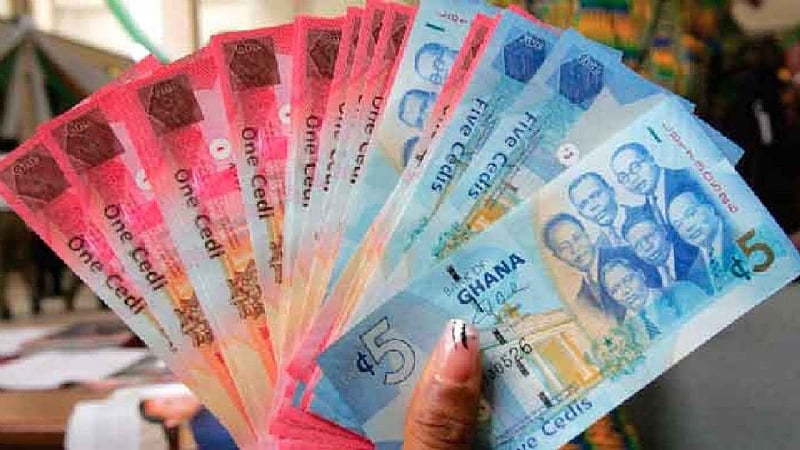
The Ghana Cedi experienced a positive shift against the United States dollar on Wednesday, December 11, 2024, marking a continuation of its recent upward trend. Data compiled by Cedirates.com, a reliable source for currency and fuel information in Ghana, indicated an appreciation of the Cedi against the dollar. The buying rate strengthened by 6 pesewas to reach GHS14.82, while the selling rate improved by 5 pesewas to GHS15.35. This positive movement suggests a growing confidence in the Ghanaian currency and potentially reflects positive economic developments or interventions influencing the foreign exchange market. These rates represent the average figures observed across various exchange bureaus and financial institutions within the country.
The interbank rates, reflecting transactions between banks, painted a slightly different picture. The Cedi traded at GHS14.74 for buying and GHS14.76 for selling against the US dollar, indicating a marginally stronger position for the Cedi in the interbank market. This discrepancy between retail rates and interbank rates is common, often reflecting the different operational costs and profit margins within these segments of the currency market. The interbank market generally operates with tighter spreads due to the larger volumes of currency traded.
Expanding the view beyond the US dollar, the Cedi also performed relatively well against other major international currencies. The British Pound Sterling averaged GHS18.50 for buying and GHS19.49 for selling, while the Euro traded at GHS15.40 for buying and GHS16.13 for selling. These rates indicate the relative strength of the Pound and Euro compared to the Cedi but also reflect the broader global currency market dynamics. On the Bank of Ghana interbank market, the selling price of the Pound stood at GHS18.82, and the Euro sold at GHS15.51. These interbank rates for the Pound and Euro, similar to the US dollar, are slightly more favorable than the retail rates.
Remittance services, playing a crucial role in bridging the financial gap between Ghanaians abroad and their families back home, offered competitive rates for money transfers. LemFi and Afriex, two prominent money transfer platforms, provided attractive exchange rates for sending money from the US and the UK to Ghana. For each US dollar sent, recipients in Ghana could receive GHS14.73 through LemFi and GHS15.02 through Afriex. For British Pound transfers, LemFi offered a buying rate of GHS18.80 and Afriex offered a selling rate of GHS15.58. These platforms also facilitated Euro transfers, with Afriex offering a selling rate of GHS15.65 and LemFi offering GHS15.56 for each Euro. These competitive rates underscore the growing importance of remittance services and their influence on the foreign exchange market.
The rates offered by these digital remittance platforms are often more competitive than traditional banking channels, potentially due to lower operational costs and a focus on digital transactions. This competition benefits consumers by providing more options and potentially higher exchange rates when sending or receiving money internationally. The ease and speed offered by these platforms further contribute to their growing popularity among the diaspora community.
For those seeking to make international online payments, the prevailing rates for Visa and Mastercard transactions presented another perspective on the Cedi’s performance. These payment processors, facilitating transactions for services like Netflix, Spotify, and Apple Music, offered a US dollar exchange rate of GHS15.78 for Visa and GHS15.84 for Mastercard. These rates are typically slightly less favorable than the retail or interbank market rates, reflecting the fees and charges associated with international card transactions. Users of these services should be aware of these exchange rate differences when making subscription payments or other online purchases in foreign currencies.
The overall picture of the Cedi’s performance against major currencies on Wednesday, December 11, 2024, was positive, with gains against the US dollar, and relatively stable rates against the Pound Sterling and the Euro. The availability of diverse exchange rate sources, from retail exchange bureaus to interbank markets and remittance platforms, provided consumers with a range of options for currency exchange. Understanding these different rates and the factors influencing them is crucial for individuals and businesses engaged in international transactions. The dynamic nature of the foreign exchange market necessitates ongoing monitoring of these rates to optimize financial decisions related to currency exchange.