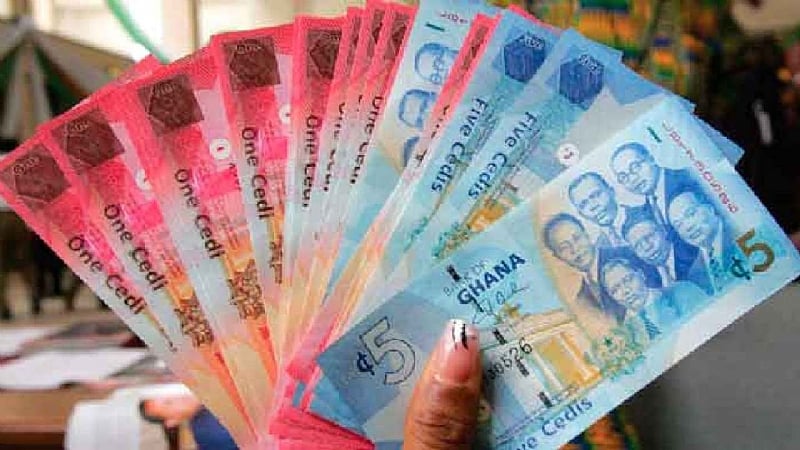
The Ghanaian Cedi experienced mixed fortunes against the US dollar on Tuesday, December 17, 2024, showing a slight appreciation in the selling rate while marginally depreciating in the buying rate. Data compiled by Cedirates.com, a reputable source for currency information in Ghana, revealed a buying rate of GHS14.71 and a selling rate of GHS15.19 as of 10:00 am. This represents an 8 pesewa decrease in the selling rate and a 1 pesewa increase in the buying rate compared to the previous Friday. The interbank rates, reflecting transactions between banks, were slightly tighter, with a buying rate of GHS14.72 and a selling rate of GHS14.74 against the US dollar. These figures provide a snapshot of the Cedi’s performance in the formal market, illustrating the fluctuating nature of currency exchange rates.
Beyond the US dollar, the Cedi’s performance against other major currencies like the British Pound Sterling and the Euro provides a broader perspective on its overall strength. Average buying and selling rates for the Pound stood at GHS18.35 and GHS19.23, respectively, while the Euro traded at GHS15.30 (buying) and GHS15.94 (selling). The interbank market, often considered a more accurate reflection of market dynamics, pegged the Pound’s selling price at GHS18.71 and the Euro at GHS15.49. These variations in rates between different market segments underscore the influence of factors such as transaction volumes, individual bank policies, and market sentiment.
Remittances play a significant role in Ghana’s economy, and the exchange rates offered by money transfer operators are crucial for those sending funds from abroad. LemFi and Afriex, two prominent platforms for sending money to Ghana from the US and the UK, offered competitive rates. Both services provided a rate of approximately GHS14.65 to GHS14.70 per US dollar, offering a slight advantage to those sending money compared to the retail market rates. For transfers in British Pounds, the two platforms diverged slightly, with Afriex offering a more favorable selling rate of GHS15.27 compared to LemFi’s buying rate of GHS18.58. This discrepancy likely reflects differences in their operational models and the specific market conditions they operate within.
Euro-denominated remittances also saw competitive pricing from LemFi and Afriex. Afriex offered a selling rate of GHS15.31 per Euro, while LemFi provided a slightly higher rate of GHS15.42. These rates, close to the broader market average for Euro transactions, provide compelling options for individuals sending money from Eurozone countries. The presence of multiple money transfer operators with varying rates promotes a more competitive landscape, ultimately benefiting consumers through potentially better exchange rates and improved services.
For Ghanaians using international payment platforms for online subscriptions and digital services, the exchange rates offered by Visa and Mastercard are particularly relevant. Both payment processors offered a consistent rate of GHS16.61 per US dollar for transactions related to services like Netflix, Spotify, and Apple Music. This rate, noticeably higher than the prevailing market rates, reflects the fees and charges embedded within international payment processing. Understanding these differences is crucial for consumers to manage their expenses effectively when using international services.
In summary, the Ghanaian Cedi’s performance against major currencies on December 17, 2024, presented a mixed picture. While the selling rate against the US dollar appreciated slightly, the buying rate saw a marginal depreciation. The Cedi’s exchange rates against the British Pound and Euro remained relatively stable, with variations observed across different market segments, including retail, interbank, and remittance platforms. The competitive landscape in the remittance market, particularly with operators like LemFi and Afriex, offers advantageous rates for those sending money to Ghana. However, the higher exchange rates applied by Visa and Mastercard for international online subscriptions underscore the importance of being aware of the various factors influencing currency exchange rates and their impact on consumer spending.