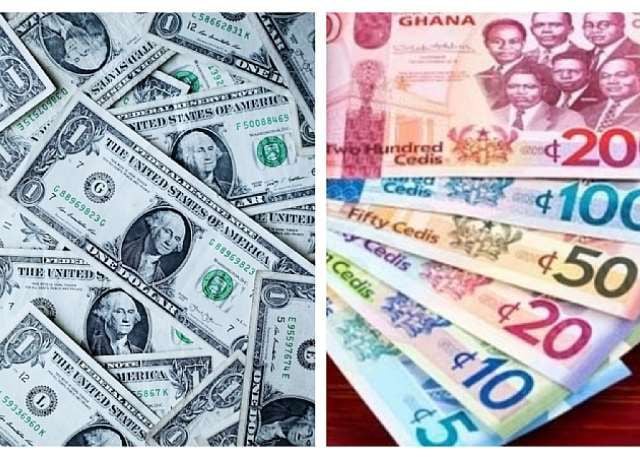
Ghanaian Cedi Maintains Stability Against US Dollar
The Ghanaian cedi exhibited remarkable stability against the US dollar on Thursday, July 24, 2025, mirroring the rates observed on the previous day. Average exchange rates at forex bureaus hovered around GHS11.75 for dollar purchases and GHS12.10 for dollar sales. This sustained stability indicates a positive trend for the Ghanaian currency, suggesting a potential equilibrium in the foreign exchange market. The data, sourced from Cedirates.com, a reputable platform tracking currency and fuel prices in Ghana, provides a reliable snapshot of the cedi’s performance. Furthermore, the interbank market, facilitated by the Bank of Ghana, saw the cedi trading at GHS10.49 for buying and GHS10.51 for selling, reinforcing the currency’s resilience against the US dollar. This stability is a welcome development for the Ghanaian economy, as it fosters predictability and reduces risks associated with currency fluctuations.
Cedi’s Performance Against Other Major Currencies
Beyond the US dollar, the Ghanaian cedi also held its ground against other major international currencies. Against the British pound, forex bureaus offered average rates of GHS14.01 for buying and GHS14.82 for selling. The Bank of Ghana’s interbank rate for the pound stood at GHS14.24, reflecting a relatively narrow spread between the interbank and bureau rates. Similarly, the euro traded at GHS12.20 for buying and GHS12.87 for selling at forex bureaus, while the interbank rate was recorded at GHS12.32. This consistent performance across different currencies further underscores the cedi’s stability and suggests a broader positive trend in the Ghanaian foreign exchange market.
Competitive Rates Offered by Money Transfer Operators
Money transfer operators, playing a crucial role in facilitating international remittances, offered competitive exchange rates for transactions involving the Ghanaian cedi. LemFi and Afriex, prominent players in the remittance space, provided attractive rates for transfers from the US or UK to Ghana. For dollar remittances, LemFi offered a rate of GHS10.40, while Afriex offered GHS10.41. These rates are highly competitive compared to the forex bureau rates, providing cost-effective options for individuals sending money to Ghana. For British pound remittances, LemFi and Afriex offered GHS14.04 and GHS14.05 respectively, again demonstrating competitive pricing. Afriex quoted GHS12.26 for the euro, while LemFi offered GHS12.25 per euro. These competitive rates highlight the dynamism of the money transfer sector and its contribution to a more accessible and affordable remittance landscape.
Digital Subscription Payments and Exchange Rates
For digital subscriptions like Netflix, Spotify, and Apple Music, payments made via Visa and Mastercard were subject to an exchange rate of GHS11.24. This standardized rate provides clarity and predictability for users of these international platforms. It allows for easy calculation of subscription costs in local currency and simplifies the payment process. The consistent application of this rate across different platforms streamlines the experience for Ghanaian consumers and promotes transparency in international digital transactions.
Overall Assessment of the Cedi’s Performance
The Ghanaian cedi demonstrated commendable stability against major international currencies on July 24, 2025. This positive trend was observed across various segments of the foreign exchange market, including forex bureaus, the interbank market, and money transfer operators. The stability indicates a healthy foreign exchange market and bodes well for the Ghanaian economy. The competitive rates offered by money transfer operators further enhance the accessibility and affordability of international remittances. The standardized exchange rate for digital subscriptions adds another layer of convenience and transparency for Ghanaian consumers.
Implications for the Ghanaian Economy
The stability of the Ghanaian cedi carries significant positive implications for the country’s economy. It fosters investor confidence by reducing exchange rate risks and promoting predictability in international transactions. This stability also helps control inflation by limiting the impact of imported inflation. Moreover, it contributes to a more stable business environment, enabling businesses to plan and operate more effectively. The competitive landscape in the money transfer sector further benefits the economy by reducing transaction costs and facilitating the flow of remittances, which play a crucial role in supporting households and driving economic growth. The overall positive performance of the cedi reinforces its position as a stable and reliable currency, contributing to a more robust and resilient Ghanaian economy.