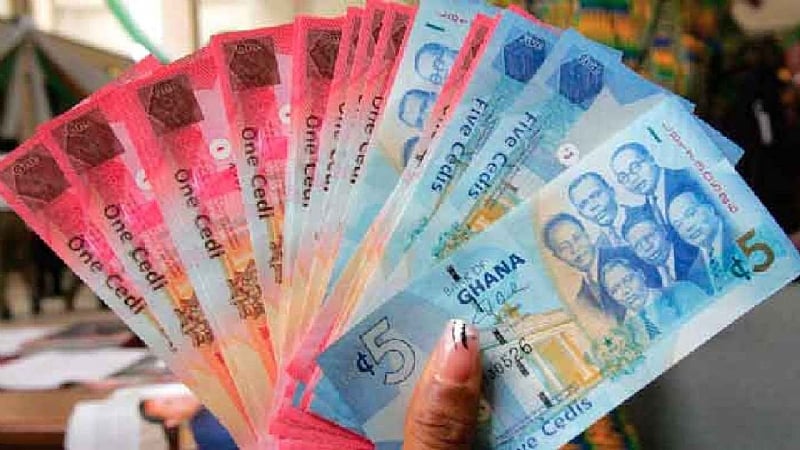
The Ghanaian Cedi continued its positive trajectory against the US dollar, appreciating by 1 pesewa in both buying and selling rates as of Monday, December 16, 2024. According to Cedirates.com, a reliable source for currency information in Ghana, the Cedi’s buying rate stood at GHS14.70, while the selling rate reached GHS15.27. This slight but consistent upward movement suggests a strengthening of the Cedi against the dollar, potentially reflecting positive economic indicators or market sentiment. Concurrently, interbank rates, which represent transactions between banks, saw the Cedi trading at GHS14.73 for buying and GHS14.75 for selling, indicating a slightly tighter spread compared to the broader market. This suggests a degree of stability and confidence within the banking sector regarding the Cedi’s performance.
The Cedi’s performance against other major international currencies also showed a relatively stable picture. Against the British Pound Sterling, the average buying rate was GHS18.31, and the selling rate was GHS19.28. This represents a slight premium for the Pound compared to the dollar, reflecting the Pound’s generally higher value in the global currency market. Similarly, the Euro traded at GHS15.29 for buying and GHS16.03 for selling, positioning it closer in value to the US dollar than the British Pound. The Bank of Ghana’s interbank market echoed these trends, with the Pound selling at GHS18.63 and the Euro at GHS15.48. These figures provide a benchmark for interbank transactions, influencing the broader market and reflecting the official rates set by the central bank.
Remittance services, a vital lifeline for many Ghanaians receiving funds from abroad, offered competitive rates for those sending money from the US and the UK. LemFi and Afriex, two prominent players in this space, provided attractive rates for dollar-to-cedi transfers, with LemFi offering GHS14.63 per dollar and Afriex offering GHS14.70. These rates are slightly more favorable than the general market rates, potentially attracting customers seeking the best value for their transfers. For pound-to-cedi transfers, the two services showed some variation, with LemFi offering a buying rate of GHS18.48 and Afriex a selling rate of GHS15.27. This discrepancy may reflect different strategies for managing currency fluctuations and operational costs.
Euro-to-cedi transfers also presented competitive options, with Afriex selling euros at GHS15.31 and LemFi offering GHS15.42 per euro. These rates are generally in line with the prevailing market rates for the Euro, offering users a convenient and relatively cost-effective way to send money to Ghana. The availability of multiple remittance platforms with competitive pricing fosters a healthy dynamic in the market, ultimately benefiting consumers through better exchange rates and improved services.
For those looking to subscribe to international digital services like Netflix, Spotify, or Apple Music, using Visa or Mastercard incurred a slightly higher exchange rate. Both payment processors offered a US dollar rate of GHS15.78. This premium likely reflects the fees charged by these international payment networks for processing transactions in foreign currencies. It underscores the added costs consumers sometimes face when using international payment methods for local transactions denominated in a foreign currency.
In summary, the Ghanaian Cedi demonstrated continued strength against the US dollar, experiencing a marginal appreciation in both buying and selling rates. This positive trend extended to other major currencies, including the British Pound and the Euro, with competitive rates being offered by both traditional banks and remittance services. While international payment processors charged a slightly higher rate for dollar-denominated transactions, the overall currency market in Ghana appeared relatively stable and offered consumers various options for exchanging and transferring funds. The Cedi’s continued resilience suggests a positive outlook for the Ghanaian economy, although close monitoring of market trends and economic indicators remains crucial for maintaining stability and promoting sustainable growth.