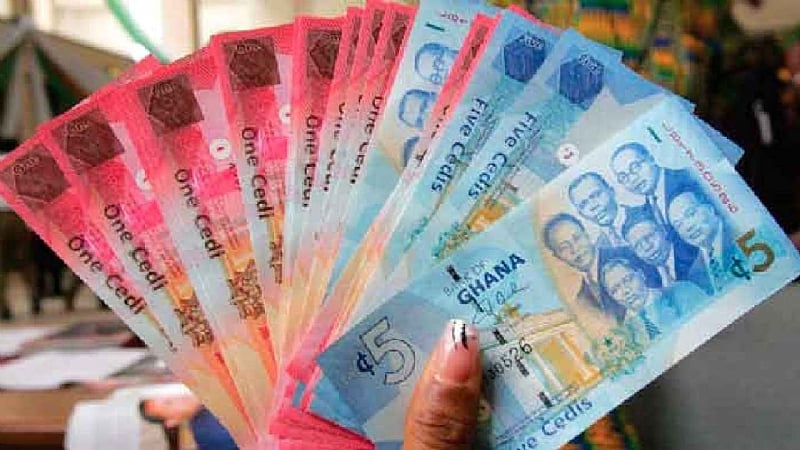
The Ghanaian Cedi experienced a slight appreciation against the United States dollar on Friday, December 20, 2024, strengthening its position by 1 pesewa in both buying and selling rates compared to the previous day. Cedirates.com, a reliable source for currency information in Ghana, reported a buying rate of GHS14.72 and a selling rate of GHS15.20 as of 10:50 am. This minor fluctuation reflects a relatively stable exchange rate environment for the Cedi against the dollar, although the overall value of the Cedi remains considerably lower than the dollar. The interbank rates, which represent transactions between banks, showed a slightly tighter spread with a buying rate of GHS14.73 and a selling rate of GHS14.75. This suggests a relatively consistent valuation of the Cedi within the banking sector.
Beyond the US dollar, the Cedi’s performance against other major currencies presented a mixed picture. Against the British Pound Sterling, the Cedi traded at an average buying rate of GHS18.17 and a selling rate of GHS19.02. These rates indicate a weaker position for the Cedi compared to the Pound, suggesting a higher cost for Ghanaians acquiring goods or services priced in Sterling. Similarly, the Euro also held a stronger position against the Cedi, with average buying and selling rates of GHS15.30 and GHS15.78 respectively. This further emphasizes the Cedi’s vulnerability against major international currencies. The Bank of Ghana’s interbank market reflected a similar trend, listing the selling price of the Pound Sterling at GHS18.47 and the Euro at GHS15.30. This consistency across different market platforms suggests a stable, albeit weaker, position for the Cedi relative to these currencies.
Remittance services, such as LemFi and Afriex, offered competitive rates for individuals sending money to Ghana from the US and the UK. LemFi provided a rate of GHS14.65 per dollar for transfers from the US, while Afriex offered a slightly higher rate of GHS14.70. These rates provide a more favorable exchange for those sending money to Ghana compared to traditional banking channels, highlighting the role of fintech companies in offering competitive currency exchange services. For transfers from the UK, the two platforms offered differing rates for the British Pound, with LemFi buying at GHS18.38 and Afriex selling at GHS15.27. This discrepancy likely reflects varying business models and associated costs within each platform. For Euro transfers, Afriex offered a selling rate of GHS15.31, while LemFi provided a slightly lower rate of GHS15.21 per Euro.
The data highlights the complexities of currency exchange and the influence of various factors on the Cedi’s value. The marginal appreciation against the dollar suggests some positive movement, but the wider context of the Cedi’s performance against other major currencies, such as the Pound and the Euro, reveals a continuing struggle. The variations in rates offered by different remittance platforms further underscore the competitive landscape and the potential for individuals to secure more advantageous exchange rates by exploring various options. The information presented by Cedirates.com provides a valuable snapshot of the Ghanaian currency market on a particular day, allowing individuals and businesses to make informed decisions based on the prevailing exchange rates.
The rates offered by Visa and Mastercard for online subscription services like Netflix, Spotify, and Apple Music provide further insight into the cost of international transactions for Ghanaian consumers. Both payment processors offered a rate of GHS15.78 per US dollar, which is notably higher than the interbank and remittance rates. This difference reflects the fees and charges incorporated by payment processors for facilitating international transactions and currency conversions. For Ghanaians subscribing to these services, this higher exchange rate translates to a greater cost in local currency. Understanding these variations in exchange rates across different platforms and services is crucial for consumers to manage their expenses effectively.
In summary, the Ghanaian Cedi demonstrated marginal gains against the US dollar on December 20, 2024, appreciating by 1 pesewa in both buying and selling rates. However, its performance against other major currencies like the British Pound and the Euro remained weaker. Remittance services offered competitive rates for money transfers to Ghana, highlighting the potential for cost savings compared to traditional banking channels. The rates offered by Visa and Mastercard for online subscriptions underscored the additional costs associated with international transactions. The information presented by Cedirates.com and other sources offers a valuable resource for individuals and businesses navigating the dynamic Ghanaian currency market. Understanding these fluctuations and variations in exchange rates is essential for making informed financial decisions in an increasingly interconnected global economy.