Ghana’s Democratic Institutions Under Scrutiny: A Call for Reform and Extended Presidential Tenure
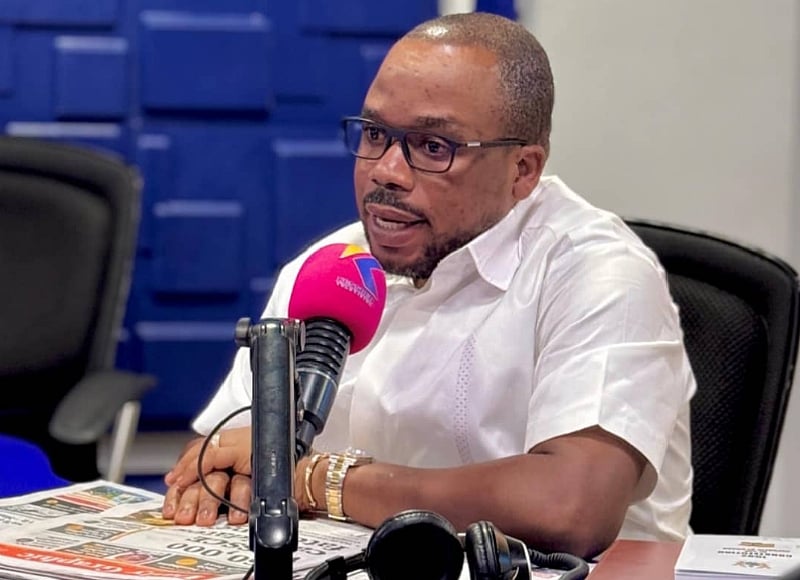
The state of Ghana’s democratic institutions has become a subject of intense debate, with concerns raised about their impartiality and effectiveness. Mr. Benjamin Kofi Quashie, a prominent figure within the National Democratic Congress (NDC), has voiced his criticism of the Electoral Commission (EC) and the Supreme Court, alleging their politicization as a significant obstacle to the country’s democratic progress. He argues that politically motivated appointments by President Nana Akufo-Addo have compromised the neutrality of these vital institutions, hindering their ability to function fairly and independently.
Mr. Quashie’s critique centers on the appointment process for members of the EC and the Supreme Court. He contends that President Akufo-Addo has appointed individuals with known affiliations to the ruling New Patriotic Party (NPP), raising concerns about potential bias in their decision-making processes. He argues that the presence of card-carrying NPP members within these institutions creates a conflict of interest, especially when adjudicating matters involving the ruling party. This perceived lack of impartiality, according to Mr. Quashie, undermines public trust in the integrity of these crucial democratic bodies. He maintains that genuine neutrality, while perhaps an unattainable ideal, is severely compromised when individuals with open political affiliations hold positions of power within these institutions.
Adding weight to his concerns, Mr. Quashie points to recent Supreme Court rulings, which he describes as "shameful" and indicative of political influence. He believes these decisions reflect the sway of political appointees acting in the interests of the appointing authority rather than upholding the principles of justice and fairness. This perceived politicization of the judiciary, according to Mr. Quashie, erodes the rule of law and poses a serious threat to Ghana’s democratic foundations. He stresses the urgency of addressing these issues through comprehensive reforms to restore public confidence in the impartiality of the judiciary.
Beyond the concerns about the EC and Supreme Court, Mr. Quashie also addresses the question of presidential tenure in Ghana. While acknowledging the constitutional limit of two four-year terms, he expresses his personal support for extending the presidential term. He argues that four years is insufficient for any leader to effectively implement meaningful and lasting change. He proposes a longer term of five or six years, believing it would provide greater stability and allow presidents more time to pursue development initiatives and fulfill their agendas.
However, Mr. Quashie emphasizes that any decision regarding presidential tenure must be a collective one, reflecting the will of the Ghanaian people. He acknowledges that this is not a matter for individual preference or political expediency but a fundamental constitutional issue that requires broad public consensus. While he advocates for a longer term, he recognizes the importance of adhering to constitutional processes and respecting the democratic will of the citizenry. He suggests that if the Ghanaian people desire a change in presidential tenure, the constitution should be amended accordingly.
Mr. Quashie’s call for institutional reforms and an extended presidential term reflects a broader debate about the future of Ghana’s democracy. He argues that these changes, if implemented through democratic processes, could significantly enhance governance and stability. He advocates for holding President Mahama accountable for enacting these reforms, emphasizing the need to utilize parliamentary majority responsibly to achieve these goals. His proposals, however, raise complex questions about the balance of power, the independence of institutions, and the role of public participation in shaping the country’s democratic framework.
In essence, Mr. Quashie’s remarks highlight crucial issues facing Ghana’s democracy. He advocates for reforms within the EC and the Supreme Court to ensure their impartiality and restore public trust. He also suggests extending the presidential term to allow for more effective governance. These proposals, while potentially beneficial, require careful consideration and broad public dialogue to ensure they align with the democratic principles and aspirations of the Ghanaian people. The debate around these issues emphasizes the ongoing evolution of Ghana’s democracy and the continuous quest to strengthen its institutions and improve its governance.