





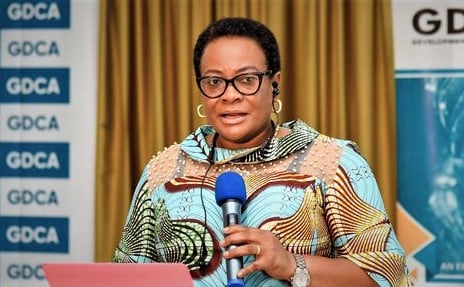
The Ghana Integrity Initiative (GII), the local chapter of Transparency International, has issued a clarion call for increased youth participation in anti-corruption efforts. Recognizing the demographic weight and potential of young people, the GII stresses the need to amplify their voices, provide platforms for engagement, and empower them to hold government accountable. This call to action aligns with the 2024 International Anti-Corruption Day theme, “Uniting with Youth Against Corruption: Shaping Tomorrow’s Integrity,” and emphasizes the crucial role of youth in building a corruption-free future for Ghana. The GII believes that fostering a culture of integrity among young people is essential for sustainable national development founded on transparency, accountability, and openness.
The timing of the 2024 International Anti-Corruption Day, coinciding with Ghana’s general elections, highlighted the salience of anti-corruption as a campaign issue. Political parties, particularly the National Democratic Congress (NDC), presented policy proposals addressing corruption concerns, many of which indirectly, and some directly, impacted youth. These proposals included reviewing key financial management and procurement legislation to mitigate conflicts of interest and strengthen transparency, combating corruption within the sports sector, and reforming the school placement system to ensure fairness and merit-based selection. These proposals demonstrate a growing recognition of the pervasive nature of corruption and the need for comprehensive reforms across various sectors.
The GII underscores the demographic significance of the youth population in Ghana, citing the 2021 census data which reveals that a substantial portion of the population falls within the youth demographic. Despite their numerical strength, young people remain marginalized in decision-making processes, especially concerning anti-corruption initiatives. This disconnect necessitates strategic interventions to integrate youth perspectives and empower them as active participants in the fight against corruption. The GII advocates for deliberate efforts to define and mobilize youth roles in anti-corruption activities, emphasizing the upcoming development of the second National Anti-Corruption Action Plan (NACAP 2) as a prime opportunity to prioritize youth involvement. This strategic integration will not only harness the potential of young people but also cultivate a generation of anti-corruption champions equipped to lead the charge for a more transparent and accountable society.
The GII’s call to action resonates with the global movement against corruption, spearheaded by the United Nations. International Anti-Corruption Day, established by the UNODC, serves as a platform to raise awareness about the detrimental effects of corruption and promote the UN Convention against Corruption (UNCAC) as a crucial preventative tool. The 2024 theme underscores the pivotal role of youth in this global fight, aligning with the forthcoming eleventh session of the Conference of the States Parties (CoSP11) to UNCAC, scheduled for 2025 in Doha, Qatar. This international forum will provide a platform for young people to directly address world leaders, advocating for a future free from the corrosive effects of corruption.
The GII emphasizes the urgency of engaging Ghana’s youth as key stakeholders in the fight against corruption, advocating for their active participation in shaping a future grounded in transparency and ethical governance. By empowering young people and integrating their perspectives into national anti-corruption strategies, Ghana can build a more resilient and equitable society. The development of NACAP 2 presents a crucial opportunity to formalize this commitment and create a lasting legacy of integrity for future generations.
The GII’s call to action is a timely reminder that the fight against corruption requires a concerted effort from all segments of society, particularly the youth who will inherit the future. By providing platforms for their voices to be heard, empowering them to hold leaders accountable, and fostering a culture of integrity, Ghana can build a stronger, more transparent, and prosperous future. The upcoming CoSP11 provides a global stage for this message to be amplified, demonstrating Ghana’s commitment to youth engagement in the global fight against corruption.








