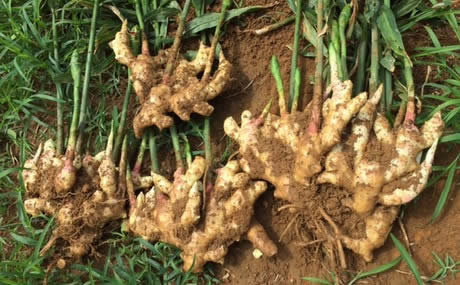
The Nigerian Federal Government has allocated a significant intervention fund of N1.6 billion to assist farmers combating ginger blight, a disease threatening one of the nation’s substantial agricultural exports. Fredrick Nwabufo, the Special Assistant on Public Engagement to President Bola Tinubu, released this information via social media, emphasizing the importance of this initiative as part of a comprehensive strategy aimed at enhancing the country’s food security. This funding reflects the government’s commitment to bolstering agricultural resilience, signifying a proactive approach to safeguarding Nigeria’s prominent position in the global ginger market, which faces risks due to diseases and pest infestations.
Nwabufo stated that the allocation is not merely a short-term response but part of a series of well-structured interventions from the Ministry of Agriculture and Food Security designed to address both immediate agricultural challenges and promote long-term sustainability. In addition to direct financial support, the government is distributing essential pesticides and fungicides to affected farmers. The overarching philosophy driving these initiatives is that agriculture and food security are critical components of national security, underlining the government’s duty to protect citizens from hunger and ensure food availability for the populace.
Further complementing the ginger blight initiative, the government has introduced a range of programs aimed at enhancing food production and stabilizing market prices. Actions undertaken include the suspension of tariffs on essential food commodities like maize, rice, and wheat, aimed at easing financial burdens on consumers. Additionally, a noteworthy dry season farming initiative has been launched, successfully cultivating 118,657 hectares of wheat across 15 states, thereby supporting over 107,000 farmers and yielding approximately 474,628 metric tonnes of wheat. These comprehensive measures indicate a structured effort to boost domestic food supply and self-sufficiency.
Moreover, the administration has delivered 60,000 metric tonnes of improved seeds and 2.15 million bags of fertilizers to farmers, with the Central Bank of Nigeria playing a crucial role in facilitating this distribution. Through these efforts, more than 2,770 farmers have been empowered within 109 crop production clusters, receiving vital resources that aim to increase agricultural productivity and enhance food output. This systematic and inclusive approach aims to address various aspects of agricultural production, ensuring that farmers are well-equipped to meet domestic food demands.
The government’s broader agricultural strategy doesn’t overlook the essential livestock sector; considerable attention has also been dedicated to livestock production and animal health. Key initiatives include distributing 14 million doses of vaccines for prevalent livestock diseases and establishing veterinary health centers to support farmers. The training of livestock farmers on biosecurity and antimicrobial resistance is also ongoing, underscoring the administration’s recognition of the interconnectedness of crop and livestock health in achieving overall food security.
Nwabufo reiterated that this multifaceted approach is crucial for not only addressing the immediate challenges faced by farmers but also for ensuring the sustainability of food production systems in Nigeria. In times of agricultural distress, transparency and communication about government initiatives become vital for public awareness. Thus, the administration remains dedicated to keeping the citizenry informed about its concerted efforts to tackle food insecurity and foster a robust agricultural sector that can effectively respond to challenges such as diseases and pest infestations. This signals a resolute commitment to nurturing a sustainable food future for all Nigerians.