The Nigerian Federal Ministry of Works has outlined an ambitious road infrastructure development plan for the 2025 fiscal year, proposing the rehabilitation and construction of 468 roads and highways across the nation. This initiative, backed by a substantial N1.013 trillion budget allocation, signifies the government’s commitment to enhancing transportation networks and boosting economic connectivity. While the number of projects earmarked for execution in 2025 is lower than the 1,925 proposed for 2024, the allocated budget represents a significant increase of N547.55 billion compared to the N548.56 billion allocated in the previous year’s budget. This suggests a strategic shift towards prioritizing fewer projects with more robust funding, potentially aiming for greater completion rates and overall impact.
The 2025 budget proposal reveals a diverse portfolio of road projects spanning various regions of the country. Significant allocations include N166.004 billion for the Lafia road construction and the dualization of the 9th mile (Enugu) Otukpo-Makurdi (Keffi phase two) road, representing the largest single allocation. Other key projects include the dualization of the Kano-Maiduguri road (N10 billion), reconstruction of the Abuja-Lokoja road (N6 billion), dualization of the Kano-Katsina road (N75 billion), and rehabilitation of the Enugu-Port-Harcourt section three and four (N23 billion). These projects highlight the government’s focus on improving interstate connectivity and facilitating trade and commerce across the country. Smaller, yet vital projects, like the construction of the Ibi bridge (N6 billion) and the rehabilitation of the Damaturu-Biu road (N6 billion), also underscore the commitment to addressing specific regional infrastructure needs.
Beyond the major highway projects, the 2025 budget also allocates funds for crucial smaller-scale infrastructure improvements. These include the rehabilitation of the Keffi-Nasarawa-Toto road (N6 billion), construction of the Malando Garin Baka Ngaski Wara road in Kebbi state (N10 billion), construction of Ebom road in Cross Rivers (N12 billion), and the construction of Maiduguri ring roads (N10 billion). These projects reflect a broader effort to improve local road networks, enhancing accessibility within states and fostering regional development. The budget also considers critical supporting infrastructure, with allocations for the rehabilitation of failed sections of the Bauchi-Jigawa state border road (N15 billion) and the asphalting of the David Umahi Federal Medical University (N1 billion).
Addressing existing infrastructure challenges forms another crucial component of the 2025 budget. Funds have been allocated to tackle pressing issues such as the rehabilitation of failed portions of the Lagos-Abeokuta road (N8 billion), a vital artery for the nation’s economic hub. The inclusion of funding for the Trans-Sahara Super Highway (N100 million) and the Lekki Axial road counterpart funding (N2 billion) further demonstrates the government’s commitment to strategic infrastructure development that can contribute to long-term economic growth and regional integration.
Beyond the core infrastructure development projects, the 2025 budget, termed the “Budget of Restoration,” includes provisions for administrative and operational expenses. These include allocations for contingency funds (N15.02 billion), purchase of vehicles for Senior Special Assistants (N2 billion), judgement debt (N5 billion), legal fees (N5 billion), and renovation of office buildings (N1.7 billion). The budget also allocates a substantial N77.1 billion for Public Private Partnership due diligence and negotiation activities, suggesting a focus on leveraging private sector investment in infrastructure development. Allocations for independent engineers for the Abuja-Makurdi road (N15 billion) and pilot HDMI corridors (N10.25 billion) underscore the importance of rigorous oversight and quality control in project execution.
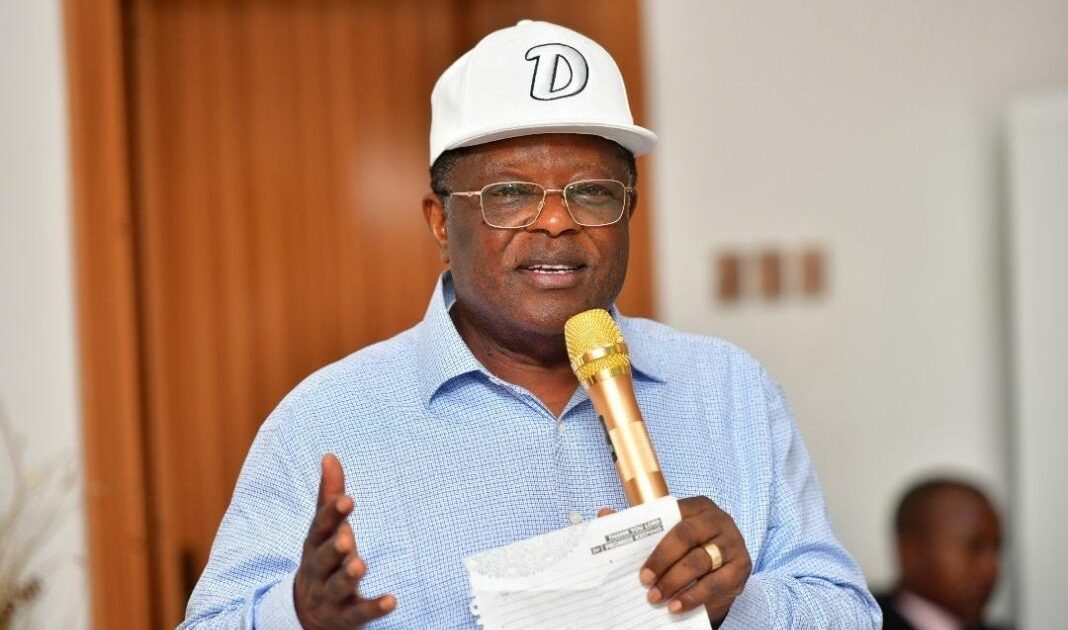
The substantial increase in funding for road projects in the 2025 budget, despite a decrease in the number of planned projects, suggests a strategic shift in the Ministry of Works’ approach to infrastructure development. Minister David Umahi’s acknowledgement of the inherited N13 trillion road project portfolio, with a potential increase to N19 trillion due to economic factors, highlights the enormity of the challenge. The 2025 budget appears to reflect a recognition of the need to prioritize projects, allocate resources strategically, and explore innovative financing mechanisms like Public Private Partnerships to address the nation’s vast infrastructure needs effectively. The focus on completing existing projects, addressing critical road failures, and investing in strategic new infrastructure reflects a balanced approach aimed at maximizing the impact of the allocated resources and contributing to sustainable economic development.