









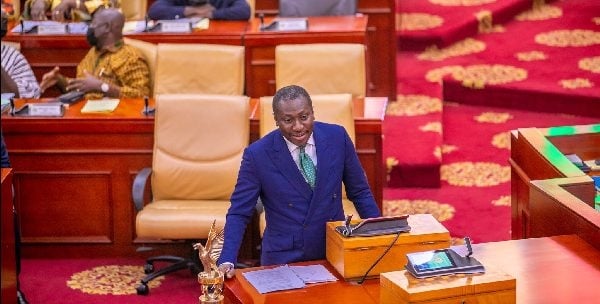
The government has made significant strides in its commitment to tackle illegal mining through the introduction of a new Legislative Instrument (LI) aimed at revoking previous regulations that allowed mining within forest reserves. This move, articulated during a parliamentary session on 15 October 2024 by Majority Leader Alexander Kwamina Afenyo-Markin, specifically annuls LI 2462, which had granted mining permissions in certain forest areas. The new LI, dubbed the Environmental Protection (Mining in Forest Reserves) Revocation Instrument, 2024, emerged from collaborative efforts involving the Ministry of Environment, Science, Technology, and Innovation, the Environmental Protection Agency (EPA), and the Ministry of Justice, underlining a cohesive government approach to environmental issues.
The introduction of this revocation is a significant step towards addressing the rampant illegal mining activities that have inflicted extensive environmental damage over the past decade. Afenyo-Markin underscored the urgent need to combat the adverse effects associated with galamsey, including deforestation, pollution of water bodies, and the destruction of vital ecosystems. Forest reserves, known for their essential role in climate regulation, biodiversity conservation, and water maintenance, have been particularly susceptible to the adverse consequences of mining practices. This initiative signals the government’s recognition of the detrimental impact of these activities and its determination to protect natural resources.
While the new LI aims to restrict mining activities in forest reserves, the success of these measures is intrinsically linked to effective enforcement mechanisms. The Majority Leader has emphasized that simply enacting the law is insufficient; practical implementation and adherence to the regulations are critical to safeguarding the environment. Afenyo-Markin called for a unified effort from all Ghanaians to support the government’s strategies against illegal mining, highlighting the necessity for collective action to enhance environmental sustainability and promote responsible resource management.
A warning was also issued against politicizing the issue of illegal mining, as Afenyo-Markin reminded parliamentarians that this challenge extends beyond party lines. He stressed that the political landscape should not compromise the urgency or integrity of these environmental initiatives. The notion of illegal mining as a non-partisan issue was emphasized, encouraging stakeholders from all political backgrounds to contribute to addressing the environmental crisis caused by irresponsible mining activities.
Environmentalists and civil society organizations have largely welcomed the introduction of the new LI, viewing it as a proactive step towards stronger protections for Ghana’s fragile ecosystems. Their advocacy has long called for stricter regulations to prevent environmental degradation. However, the successful implementation of these regulations is under close scrutiny from the public, who are eager to see how effectively the government will enforce the new laws and undertake rehabilitation efforts in areas previously harmed by illegal mining.
In conclusion, the government’s introduction of the Environmental Protection (Mining in Forest Reserves) Revocation Instrument illustrates a robust commitment to confronting the illegal mining crisis in Ghana. By revoking permissions that have historically permitted mining within forest reserves, the government is taking definitive action to protect biodiversity and promote environmental sustainability. The success of this initiative will rely on effective enforcement, a unified public approach, and the commitment to rehabilitate damaged ecosystems, creating a holistic strategy for the preservation of Ghana’s valuable natural resources.









