









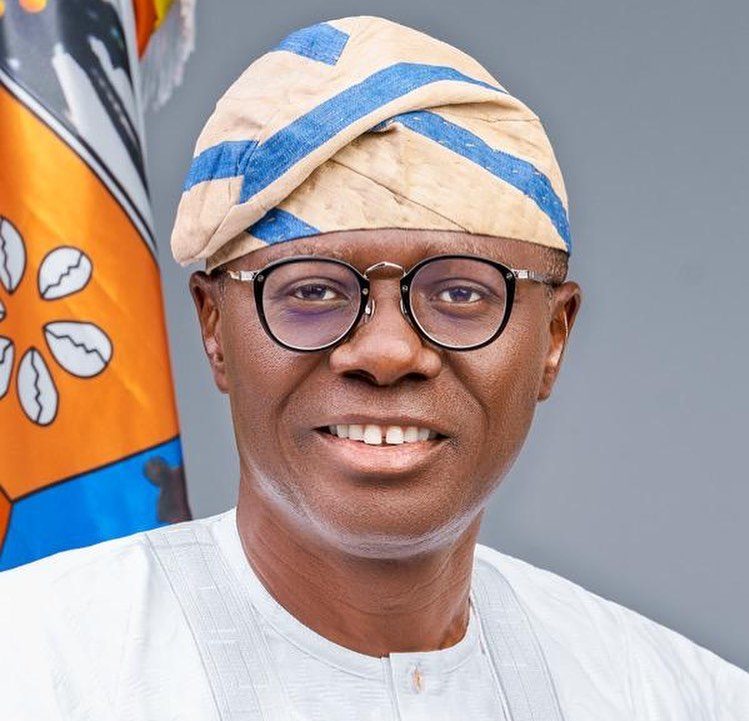
Lagos State Governor Babajide Sanwo-Olu recently announced an extension of the amnesty period for building owners and developers who lack proper approvals, moving the deadline from the end of October to December 31, 2024. This decision was communicated during the Lagos State Physical Planning Summit, organized by the Ministry of Physical Planning and Urban Development. The summit, held at Eko Hotels in Victoria Island, focused on the theme “Rethinking Lagos: A New Vision for a Regional and Integrated Megacity,” highlighting the importance of addressing urban challenges in the rapidly growing metropolis.
During the summit, both Governor Sanwo-Olu and former governor Babatunde Fashola emphasized the urgent need to reform the building approval process in Lagos. Sanwo-Olu raised concerns about the existing requirement for multiple approvals from various agencies, arguing that this complicates the development process and can discourage potential investors. His remarks underlined the necessity of streamlining these procedures to attract investment and simplify the pathway for developers looking to construct new buildings.
Fashola, who delivered the keynote address at the event, echoed Sanwo-Olu’s sentiments, suggesting that the financial aspects of building approvals should not be viewed solely as a means to generate revenue for the state. Instead, he advocated for a more holistic approach, one that treats these payments as part of an overarching strategy for effective town planning. Fashola pointed out that Lagos could achieve long-term revenue generation through other avenues, such as Land Use charges, emphasizing the need for a balanced financial strategy that prioritizes urban planning.
The summit served as a platform for stakeholders to come together and discuss the future of physical planning in Lagos. Dr. Oluyinka Olumide, the Commissioner for Physical Planning and Urban Development, welcomed attendees and highlighted the importance of the event. He noted that the summit would provide an opportunity to explore the proposals within the Operative Development Plans, evaluate the implementation status, and identify challenges related to the financing of development projects. This collaborative approach aims to enhance physical planning and address the issues plaguing Lagos’s urban landscape.
Furthermore, the discussions at the summit underscored the significance of effective coordination among government agencies involved in the development process. By reducing bureaucratic hurdles and fostering a more integrated approach to planning, stakeholders hope to create an environment conducive to growth and innovation. The emphasis on a streamlined building approval process is not just about regulatory compliance but is also seen as a strategic move to enhance Lagos’s attractiveness as a destination for local and international investments.
In conclusion, Governor Sanwo-Olu’s announcement on the amnesty extension reflects a broader commitment to improving urban planning and development processes in Lagos State. With the insights shared during the summit, there is a collective recognition of the need for a reformed regulatory framework that supports sustainable development. As Lagos continues to evolve into a significant megacity, these discussions and initiatives will play a crucial role in shaping its future trajectory, ultimately leading to a more efficient, attractive, and well-planned urban environment for all its residents.









