





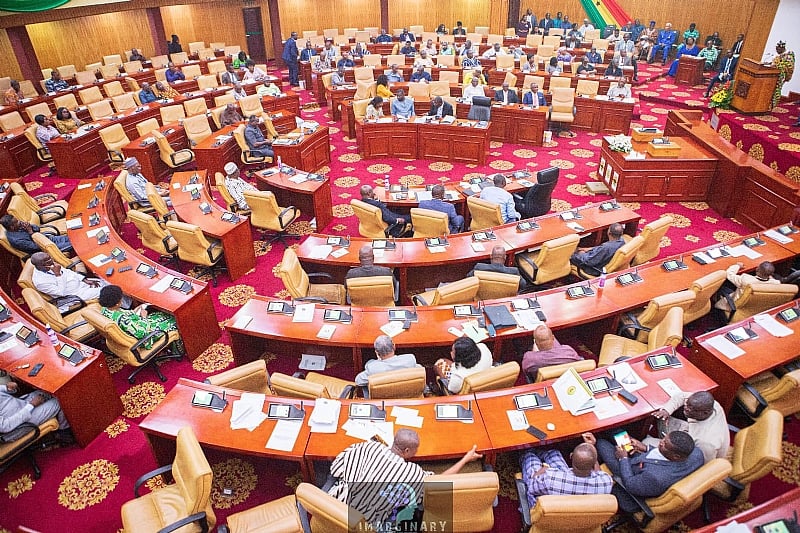
The Minority Caucus in Ghana’s Parliament has raised serious concerns regarding a reported GH¢100 million debt owed to the West African Examinations Council (WAEC) by the government. This substantial debt has allegedly crippled WAEC’s operations, impacting crucial areas such as the maintenance of essential equipment and the timely payment of examiners. The Minority Caucus argues that this financial strain poses a significant threat to the smooth conduct of examinations and the timely release of results, potentially jeopardizing the academic futures of thousands of Ghanaian students. They have called upon the Finance and Education ministers to appear before Parliament to provide a comprehensive explanation for the government’s failure to remit the due funds and outline a clear plan to resolve the escalating crisis.
The implications of this unpaid debt are multifaceted and potentially far-reaching. The most immediate concern revolves around the delayed release of the 2024 West African Senior School Certificate Examination (WASSCE) results. Examiners, facing delayed payments, are reportedly withholding marked scripts, creating a bottleneck in the results processing cycle. Mr. Peter Nortsu-Kotoe, the Ranking Member on the Education Committee of Parliament, has expressed serious doubts about meeting the December 19 target date for the release of the results. This delay could have cascading effects on students seeking admission to tertiary institutions for the 2024/2025 academic year, potentially disrupting their educational timelines and causing considerable anxiety and uncertainty.
Beyond the immediate impact on the 2024 WASSCE results, the Minority Caucus has highlighted broader concerns about the long-term consequences of the debt on Ghana’s education system. The inability of WAEC to maintain its operational infrastructure due to financial constraints could compromise the integrity and quality of future examinations. The lack of timely payment to examiners could also demotivate qualified professionals from participating in the examination process, potentially leading to a shortage of experienced examiners and further exacerbating the challenges faced by WAEC. This precarious financial situation could erode public trust in the examination body and cast a shadow over the credibility of the certificates awarded to students.
The Minority Caucus’s call for parliamentary intervention reflects the gravity of the situation and the need for immediate action. By summoning the Finance and Education ministers to appear before the House, the Caucus aims to hold the government accountable for its financial obligations to WAEC. This public scrutiny also provides a platform for a transparent discussion on the government’s financial priorities and the measures being taken to address the pressing financial challenges facing critical institutions like WAEC. The Caucus’s insistence on a clear explanation and a concrete plan of action underscores their commitment to safeguarding the interests of Ghanaian students and protecting the integrity of the country’s education system.
The request for the ministers’ appearance before Parliament is a crucial step in addressing this financial crisis. It provides an opportunity for the government to present its perspective on the matter, explain the reasons behind the delayed payment, and outline the steps being taken to rectify the situation. This parliamentary engagement also allows for a broader discussion involving all stakeholders, including representatives from the education sector, WAEC officials, and members of the public. This inclusive approach can lead to a more comprehensive understanding of the challenges at hand and facilitate the development of effective solutions that ensure the long-term sustainability and credibility of Ghana’s examination system.
The current situation underscores the vital role of adequate funding in ensuring the smooth functioning of essential educational institutions like WAEC. The timely release of examination results is not merely an administrative task; it’s a crucial step that impacts the lives and futures of thousands of students. The government’s commitment to fulfilling its financial obligations to WAEC is not just a matter of fiscal responsibility; it’s an investment in the future of Ghana’s human capital. Resolving the current financial crisis facing WAEC is paramount to ensuring the continued credibility of Ghana’s education system and safeguarding the academic aspirations of its students. The outcome of the parliamentary inquiry will be closely watched by all stakeholders, as it will determine the course of action and the future stability of WAEC’s operations.








