





Scrutiny of State Governments’ Handling of Federal Allocations
The management of federal allocations by state governments in Nigeria has come under intense scrutiny from various stakeholders, including the Nigeria Labour Congress (NLC), opposition parties, and economists. This scrutiny arises from concerns about the effective utilization of the substantial funds disbursed to states, particularly in light of the increasing revenue allocations in recent years. In 2024, the 36 state governments received a combined allocation of N5.22 trillion, representing a significant portion of the total N15.12 trillion disbursed to all tiers of government. While President Bola Tinubu has emphasized the crucial role of state governors in driving national development, questions remain about the tangible impact of these funds on the lives of ordinary citizens.
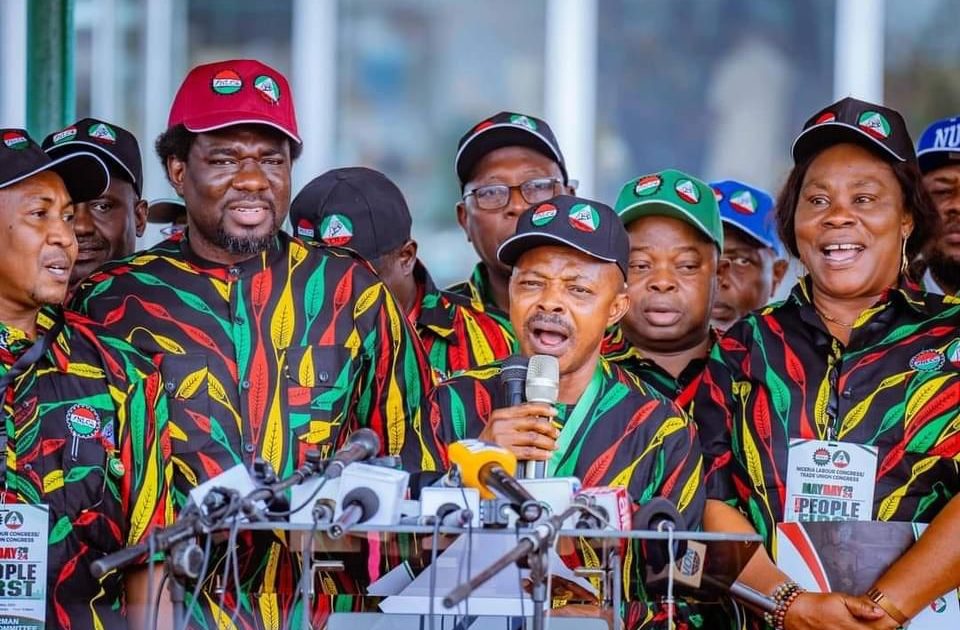
The NLC has voiced strong criticism, alleging that despite increased revenue, many state governors have failed to prioritize the welfare of the masses. Concerns have been raised about the non-payment or inconsistent payment of the minimum wage, the neglect of pensioners, and the lack of visible improvements in essential services like healthcare and education. Critics argue that governors are accumulating wealth for political purposes while the populace continues to suffer from poverty and hardship. The NLC has called for an end to governors’ constitutional immunity, advocating for greater accountability and consequences for underperformance. They also emphasize the need for state assemblies to exercise stronger oversight over budgetary allocations and ensure that funds are used for their intended purposes.
Opposition parties across several states have echoed these concerns, citing a lack of substantial infrastructural development and tangible improvements in the lives of citizens despite the increased allocations. In Kwara State, Governor AbdulRaman AbdulRazaq’s claim of having accomplished more projects in his second term than his first has been met with skepticism, with critics challenging him to provide concrete evidence of these achievements and questioning the prioritization of certain projects. Similar criticisms have been leveled against governors in Ogun, Bayelsa, and Bauchi states, where opposition parties have highlighted the poor condition of roads, schools, and other essential services despite the increased funding. These parties have demanded greater transparency and accountability from state governments, urging them to demonstrate how the allocated funds have been used and to prioritize projects that directly benefit the citizens.
Economists and experts have offered diverse perspectives on the issue. Some have criticized the current system of revenue allocation, arguing that it lacks justification and that the funds are often misapplied through poorly designed poverty alleviation schemes rather than being invested in sustainable development initiatives. Others have emphasized the need for greater transparency and measurable outcomes, suggesting that the focus should be on how the money is used and the tangible benefits it generates for the population. They have called for stricter monitoring mechanisms and greater citizen participation in the budgeting and expenditure processes to ensure accountability and prevent the misuse of public funds.
The concerns raised by the NLC, opposition parties, and experts point to a systemic problem of accountability and transparency in the management of state resources. While increased revenue allocations are essential for development, their effectiveness depends on how they are utilized. The lack of visible improvements in key sectors, the neglect of basic needs, and the allegations of corruption raise serious questions about the commitment of some state governors to the welfare of their citizens. The calls for greater transparency, accountability, and citizen participation in governance highlight the need for urgent reforms to ensure that public funds are used effectively and for their intended purposes.
The debate surrounding the utilization of federal allocations underscores the complex relationship between the federal and state governments in Nigeria. While the federal government provides the bulk of the funding, the responsibility for delivering essential services and driving development at the local level rests with the state governors. The disconnect between increased allocations and tangible improvements in the lives of citizens suggests a failure of governance at the state level. The criticisms leveled against governors, coupled with the expert opinions, emphasize the need for stronger accountability mechanisms, transparent budgeting processes, and greater citizen engagement in governance. Without these reforms, the increased revenue allocations may not translate into meaningful development and improved well-being for the Nigerian people.
The recurring theme in the discourse surrounding federal allocations is the imperative for transparency and accountability. While some governors attribute their achievements to the federal government’s economic policies, the ultimate responsibility for utilizing the funds effectively lies with the states. The lack of visible impact on the ground, particularly in sectors like education, healthcare, and infrastructure, raises questions about the prioritization of development projects and the effectiveness of spending. The ongoing debate emphasizes the need for a comprehensive review of the revenue allocation system, stricter monitoring mechanisms, and greater citizen participation to ensure that public funds are used responsibly and for the benefit of all Nigerians. The future of Nigeria’s development hinges on the ability of its leaders to address these critical issues and ensure that increased revenue translates into tangible improvements in the lives of its citizens.








