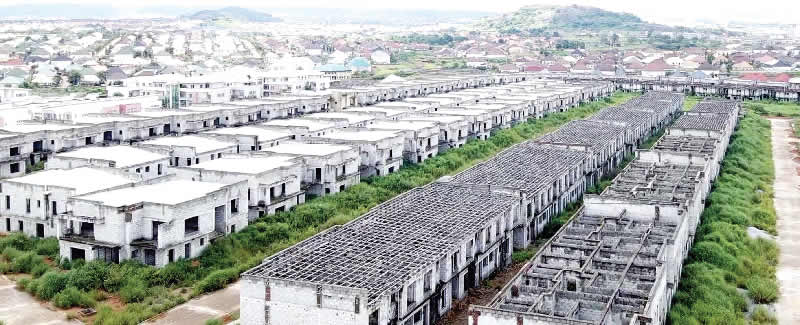
The Nigerian Federal Government’s recent seizure of a 753-duplex estate has sparked a debate on its optimal utilization. Stakeholders in the real estate sector have proposed a compelling solution: converting the seized properties into official residences for government ministers and other high-ranking officials. This proposition offers a multifaceted approach to addressing the escalating costs of accommodation allowances, optimizing the use of public assets, and promoting transparency and accountability within the government.
Currently, the government allocates substantial sums for housing allowances to ministers, permanent secretaries, and other senior officials. This practice places a significant financial burden on the national treasury. The proposed alternative involves assigning these duplexes as official residences, eliminating the need for separate housing allowances. Proponents argue that this measure would result in substantial savings, freeing up funds for other crucial developmental projects. For instance, housing allowances for 45 ministers alone could cost the country N1.37 billion over a four-year term. By repurposing the seized estate, the government could avoid this recurring expenditure and redirect these resources towards more pressing national needs.
Furthermore, the practice of selling seized properties, often at undervalued prices and to politically connected individuals, raises concerns about transparency and fairness. This approach not only deprives the public of the full value of these assets but also perpetuates a system that benefits a select few at the expense of the broader public interest. Converting the estate into official residences would prevent such questionable transactions, ensuring that these properties remain strategic national assets, serving the interests of the Nigerian people.
The proposed model also emphasizes the importance of efficient management. To avoid the bureaucratic inefficiencies often associated with government-run operations, proponents suggest outsourcing the management of these residences to private facility management companies. This move would ensure that the properties are well-maintained, preserving their long-term value and functionality. Moreover, these residences could serve additional purposes, such as hosting official guests and visiting dignitaries, further reducing government expenditure on expensive hotel accommodations.
The allocation of these residences would follow a clear and transparent process, based on the roles and needs of the officials. This system would replace cash-based housing benefits with direct access to government-owned accommodations, ensuring equitable distribution and preventing potential abuses. Strict policies, coupled with public oversight mechanisms, would govern the allocation process, safeguarding against bias or favoritism. Allottees would be explicitly prohibited from selling, renting, or modifying the property without prior authorization to maintain the integrity and purpose of the initiative.
This proposal extends beyond ministers and other high-ranking officials. Senior civil servants, such as permanent secretaries, could also be accommodated in these residences, ensuring suitable housing during their terms of service. Upon completion of their tenure, the properties would revert to government control, ready for their successors. This rotational system ensures the long-term viability and utility of the assets without permanently transferring ownership, preserving their status as national assets.
In conclusion, repurposing the seized 753-duplex estate into official residences presents a compelling solution to address the escalating costs of housing allowances, optimize the use of public assets, and promote transparency and accountability within the Nigerian government. This initiative would not only save billions of naira in recurrent expenditure but also ensure that these valuable properties serve the interests of the Nigerian people, rather than benefiting a select few. By implementing this proposal, the government can demonstrate its commitment to fiscal responsibility, efficient resource management, and a fairer system for all.