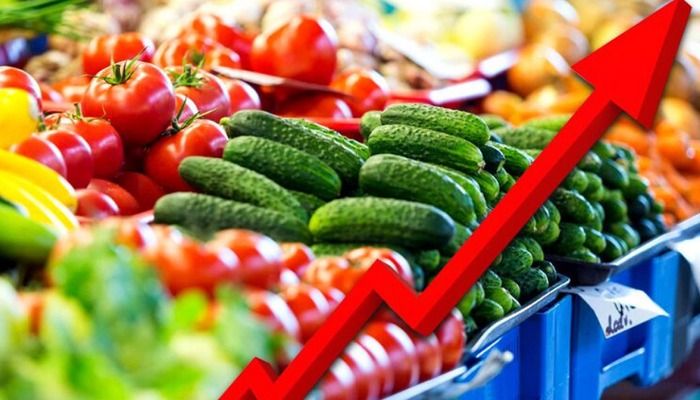
The Tinubu administration’s efforts to combat soaring food prices in Nigeria present a perplexing paradox. Despite securing substantial multilateral loans totaling $3.334 billion and attracting over $4.3 billion in private investments aimed at boosting agricultural production, food inflation has witnessed a dramatic surge, climbing from 24.82% in May 2023 when Tinubu took office to nearly 40% by November 2024. This stark reality underscores a critical disconnect between government initiatives and tangible outcomes, leaving millions of Nigerians struggling to afford basic necessities and raising serious questions about the efficacy of current economic policies.
The government’s ambitious agenda, articulated by President Tinubu himself, included cultivating 500,000 hectares of farmland to enhance food security and affordability. Loans secured from institutions like the World Bank and the African Development Bank were earmarked for projects aimed at increasing livestock production, improving rural access to markets, and establishing Special Agro-Industrial Processing Zones to modernize the agricultural sector. A significant portion of these funds was also directed towards supporting seed and grain production, crucial components of a robust food system. In addition, the administration secured substantial private sector commitments targeted at fertilizer production, hybrid seed technology, and agricultural finance, further bolstering its efforts to revitalize the sector.
However, these well-intentioned initiatives have been overshadowed by a confluence of adverse economic factors. The removal of fuel subsidies, a key policy decision of the Tinubu administration, has led to a sharp increase in transportation costs, directly impacting the price of food items. Simultaneously, the significant devaluation of the naira has further exacerbated the situation, making imported goods, including agricultural inputs, more expensive. These factors, coupled with persistent insecurity in several parts of the country, have created a perfect storm, driving food prices to unprecedented levels and undermining the government’s efforts to ensure affordability and accessibility.
The data paints a grim picture of the escalating food crisis. For 14 consecutive months, starting from May 2023, food inflation climbed steadily, reaching a peak of over 40% in March 2024. While a brief respite was observed during the harvest season, with inflation dipping to 37.52% in August 2024, the upward trend resumed shortly after, reaching nearly 40% again by November. This consistent increase in food costs, despite significant financial interventions, has sparked widespread concern among experts and stakeholders, who question the implementation and overall impact of the government’s agricultural policies.
Experts analyzing the situation point to several critical challenges hindering the effectiveness of the government’s interventions. One key issue is the significant time lag inherent in agricultural production. Investments in the sector, such as providing farmers with financial support, do not translate into immediate results. The process of planning, cultivating, and harvesting crops takes time, often ranging from six months to a year, before any tangible impact on food supply and prices can be observed. This delay, coupled with the volatile economic environment characterized by rising fuel prices and currency devaluation, further complicates the government’s efforts to stabilize the market.
Another significant hurdle is the difficulty in effectively reaching the intended beneficiaries of these agricultural programs, namely smallholder farmers who form the backbone of the agricultural sector. Experts argue that interventions often fail to reach these farmers due to logistical challenges, lack of transparency in beneficiary selection, and inefficiencies in the supply chain. The rising cost of fuel further exacerbates these logistical bottlenecks, making it more expensive to transport agricultural inputs and produce, ultimately contributing to higher food prices. This disconnect between government programs and the targeted beneficiaries undermines the intended impact of these initiatives, leaving smallholder farmers vulnerable and further fueling the food crisis. Ultimately, experts emphasize the need for a more holistic and coordinated approach that addresses these structural and logistical challenges to translate financial investments into tangible relief for consumers.