









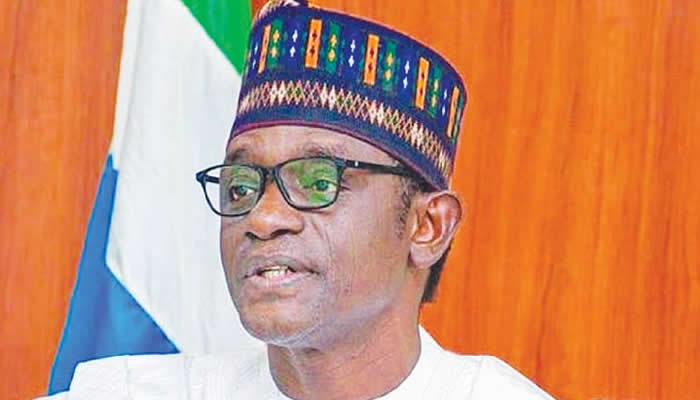
Governor Buni’s 2024 Achievements and 2025 Vision for Yobe State
Governor Mai Mala Buni of Yobe State, represented by his deputy, Idi Barde Gubana, presented a comprehensive review of his administration’s accomplishments in 2024 and outlined his vision for the state in 2025. The briefing, held on Thursday, served as a platform to express gratitude to various stakeholders, including government workers, the press, the private sector, and other functionaries for their contributions to the state’s progress amidst prevailing economic challenges. The Governor highlighted significant investments made in key sectors, demonstrating a commitment to improving the lives of Yobe State residents.
The health sector witnessed notable advancements with Yobe State securing $500,000 in the primary healthcare leadership challenge for North-Eastern states. This achievement underscores the state’s dedication to improving primary healthcare services and access for its citizens. Furthermore, the government demonstrated its commitment to healthcare workers by fulfilling 100% payment of hazard allowances and implementing adjusted CONMESS and CONHESS salary scales, thereby recognizing the crucial role of healthcare professionals in providing essential services.
Agriculture, a cornerstone of Yobe State’s economy, received significant attention. A substantial investment of N15.3 billion was allocated to an agricultural empowerment program, providing farm implements and inputs to 5,340 farmers across 178 wards. This initiative aims to boost agricultural productivity, enhance food security, and improve the livelihoods of farmers in the state. Beyond agriculture, the administration focused on empowering individuals through various initiatives, including the procurement of 475 modern sewing and embroidery machines and the distribution of 350 disability tricycles. These efforts aim to provide opportunities for skill development, income generation, and improved mobility for people with disabilities. Micro and small entrepreneurs also benefited from government support through cash grants, fostering economic growth and self-reliance within the community.
Infrastructure development remained a priority, with substantial progress made in water supply and road construction. Contracts were awarded for the conversion of 170 motorized boreholes to solar systems, ensuring sustainable access to clean water, particularly in rural areas. The drilling of new boreholes in major towns further strengthens water resources and addresses water scarcity challenges. In terms of road infrastructure, hundreds of kilometers of roads were constructed and rehabilitated, including key projects like the Damaturu-Kalallawa dual carriage road and the Gujba-Ngalda road. These infrastructure improvements aim to enhance transportation networks, facilitate trade, and improve connectivity across the state.
Looking ahead to 2025 and beyond, Governor Buni reiterated his commitment to improving the well-being of Yobe State residents. He emphasized the importance of strengthening security, a critical element for sustainable development and creating an environment conducive to economic progress and social harmony. The Governor’s vision is to create a more secure and prosperous future for all citizens, with a focus on inclusive growth and equitable distribution of resources.
Abdullahi Bego, the Commissioner for Home Affairs, Information, and Culture, commended Governor Buni’s leadership and highlighted the administration’s dedication to improving living conditions, protecting lives and property, and fostering prosperity. He underscored the vital role of information dissemination in bridging the gap between government actions and public awareness, fostering trust and strengthening the relationship between the government and its citizens. Bego emphasized the importance of media partnership in promoting peace, security, and development, urging media professionals to prioritize content that unites communities and contributes to the overall progress of the state.
The Chairman of the Nigeria Union of Journalists, Comrade Rajab Mohammed Ismael, pledged the continued cooperation of journalists in reporting factual and ethical news. He emphasized the media’s role in holding the government accountable and ensuring transparency in governance. This commitment to responsible journalism strengthens the democratic process and fosters a culture of accountability and good governance. The collaborative efforts between the government, the media, and the citizens are crucial for the continued development and prosperity of Yobe State.









