The New Patriotic Party (NPP) experienced a significant setback in the 2024 general elections, securing only 41% of the presidential vote and less than 100 parliamentary seats. This underwhelming performance, according to the Alliance for Footsoldiers Advocacy (AFFA), an internal group within the NPP, is directly attributable to a series of unpopular policy decisions and leadership missteps under President Nana Addo Dankwa Akufo-Addo. AFFA points to several key policies as primary drivers of public discontent, including the Electronic Transfer Levy (E-Levy), the Betting Tax, the Domestic Debt Exchange Programme (DDEP), and the controversial National Cathedral project. These policies, according to AFFA, alienated a significant portion of the electorate and contributed to the party’s electoral woes. The group’s statement highlights a perceived disconnect between the Akufo-Addo administration and the concerns of ordinary Ghanaians, suggesting these policies were perceived as burdensome and out of touch with the economic realities faced by many.
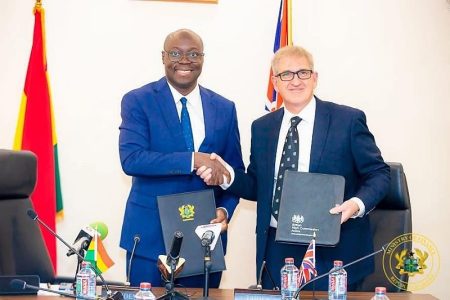
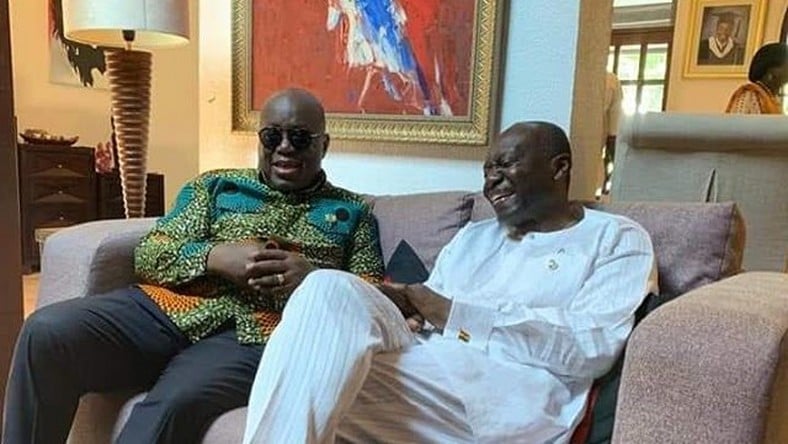
A central criticism leveled by AFFA is President Akufo-Addo’s steadfast refusal to dismiss Finance Minister Ken Ofori-Atta during the economic downturn of 2022. AFFA argues that this decision, perceived by many as protecting a close relative (Ofori-Atta is the President’s cousin), further eroded public trust and fueled resentment within the party’s ranks. The group contends that maintaining Ofori-Atta in his position despite widespread calls for his dismissal signaled a lack of responsiveness to public sentiment and an unwillingness to hold even high-ranking officials accountable for the country’s economic struggles. This perceived intransigence, according to AFFA, became a symbol of the administration’s detachment from the concerns of both the electorate and the party’s grassroots.
Furthermore, AFFA criticizes the lack of significant leadership changes within the Akufo-Addo administration over its eight-year tenure. The group notes that few appointees were replaced or reshuffled, leading to stagnation and a perception of an entrenched elite resistant to change. This lack of rotation, according to AFFA, stifled fresh perspectives and innovative ideas, contributing to a sense of complacency within the government. The statement expresses disbelief that such a static leadership structure could be maintained for so long, suggesting it fostered a sense of entitlement among appointees and hindered the administration’s ability to adapt to evolving challenges.
The neglect of the party’s grassroots, commonly referred to as “footsoldiers,” is another key factor cited by AFFA in explaining the NPP’s electoral defeat. AFFA argues that the Akufo-Addo administration prioritized the voices of a select few “praise-singers” over the concerns and needs of the dedicated party workers who form the backbone of its electoral machinery. This perceived marginalization, coupled with what AFFA describes as arrogance displayed by some government officials, created a rift between the leadership and the grassroots, demotivating party activists and weakening the NPP’s ground game.
AFFA’s statement serves as a stark indictment of the Akufo-Addo administration’s governance and its perceived disconnect from the electorate and the party’s base. The combination of unpopular policies, a perceived lack of accountability, stagnant leadership, and the neglect of grassroots activists created a perfect storm that contributed to the NPP’s significant electoral losses. The group’s critique highlights the importance of responsive governance, the need to engage with and address public concerns, and the crucial role of a vibrant and motivated grassroots base in achieving electoral success.
The resounding defeat in the 2024 elections, according to AFFA, should serve as a wake-up call for the NPP. The group emphasizes the urgent need for introspection, restructuring, and a renewed focus on connecting with the needs and aspirations of the Ghanaian people. AFFA’s call for change reflects a recognition that the party must adapt and evolve if it hopes to regain public trust and reclaim its position as a dominant force in Ghanaian politics. The statement concludes with a rallying cry, urging the party to learn from its mistakes and to work tirelessly to reconnect with the masses and return to power in 2028. This sentiment underscores the importance of the 2024 election as a critical juncture for the NPP, demanding a period of reflection and reform to avoid repeating past failures.