





Illegal small-scale mining in Ghana poses serious challenges to the education of girls, resulting in increased dropout rates and diminished academic performance. This issue is particularly acute in mining communities, where the allure of quick financial returns often disrupts schooling, entrenching a cycle of poverty. The social pressures for girls to contribute to family income further exacerbate the problem, leading many to forsake their education for immediate monetary gain. Factors such as inadequate access to quality education and the pervasive poverty in these areas contribute to the susceptibility of girls to the temptations of illegal mining activities, making it essential to address this crisis holistically.
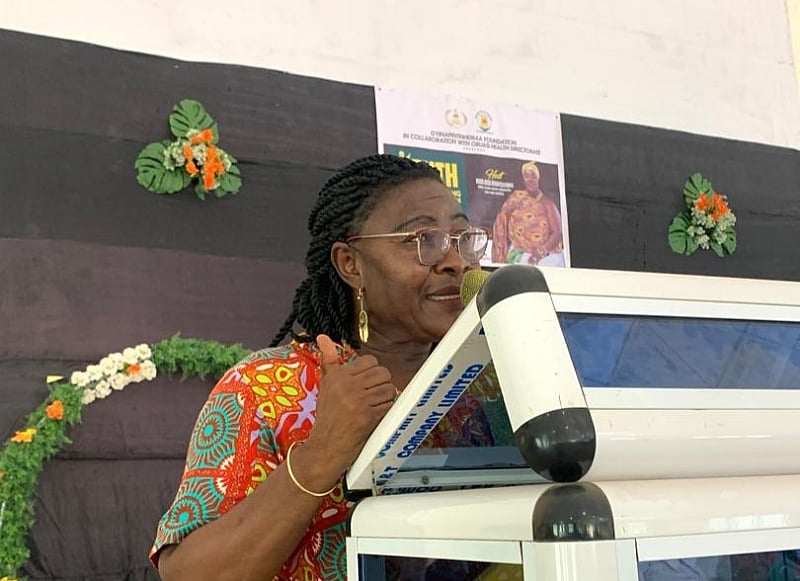
Obuasi, a significant mining town, exemplifies the detrimental effects of illegal mining on female education. The local population faces heightened challenges, including limited educational resources and societal expectations that prioritize financial contributions over schooling. The Gyinapintinhemaa Foundation, in collaboration with the Obuasi Health Directorate, has recognized these issues and organized a mentorship program aimed at empowering girls in the community. This initiative gathered over 200 Junior High School (JHS) students to inspire them to make balanced career choices while navigating their educational journeys with purpose and motivation.
Cecilia Mensah, the Girls Coordinator at the Obuasi Municipal Education Directorate, underscored the profound impact of mentorship in promoting academic and career progression for girls in mining areas. Lacking guidance, many young women are exposed to adverse behaviors, including teenage pregnancy and substance abuse, which derail their lives and futures. By connecting girls with appropriate mentors, she believes these young women can access the support needed to realize their goals and aspirations, hindering the cycle of hardships prevalent in their communities.
The mentorship program featured accomplished women from diverse fields, such as health, engineering, and education, who shared valuable insights to help students make informed decisions about their futures. The involvement of these role models provided participants with practical knowledge and encouragement. Mrs. Mensah emphasized the significance of the initiative in helping girls identify their mentors and fostering connections that guide them throughout their educational and professional pursuits, reinforcing the idea that personal success stories can inspire others to follow suit.
Dr. Amina Achiaa Asiedu Amoah, a retired educationist and the guest speaker at the mentorship event, discussed the necessity of promoting tertiary education in mining communities to pave the way for sustainable development. She proposed the establishment of scholarship programs aimed explicitly at students from mining backgrounds. Moreover, Dr. Amoah called for tailored educational opportunities focusing on subjects such as mining engineering, geology, and environmental management, which are essential for addressing industry needs. She also advocated for vocational training initiatives that would create immediate job prospects, enabling youths to support themselves and break free from economic disadvantages.
Rachel Yakubu Coffie, one of the attendees from AngloGold Ashanti JHS, expressed her gratitude to the organizers, reflecting on the event’s empowering impact. She noted that it provided the necessary tools and inspiration to make informed career choices, urging her peers to engage in mentorship programs to secure a brighter future. The success of such initiatives illustrates the importance of reinforcing education and mentorship for girls in mining communities, ultimately contributing to a broader mission of social and economic upliftment that ensures young women can pursue their dreams without the disruptive influence of illegal mining on their education.








