





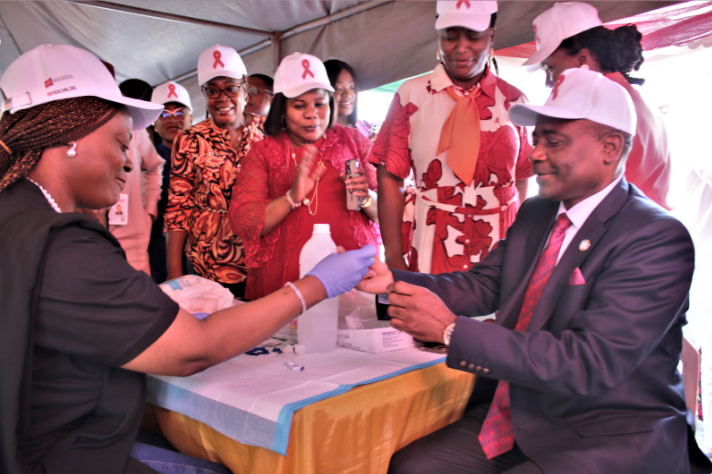
The specter of HIV/AIDS continues to loom large as a significant public health challenge, demanding sustained vigilance and collaborative action. Dr. Temitope Ilori, Director-General of the National Agency for the Control of AIDS (NACA), underscored this persistent threat during a stakeholders’ meeting in Osogbo, Osun State. While acknowledging Osun’s commendable progress in achieving a mother-to-child transmission rate of 0.9%, lower than the national average, Dr. Ilori emphasized that the overall burden of children born with HIV in Nigeria remains substantial. The alarming statistics of 26,000 new infections and 15,000 AIDS-related deaths among children aged 0-14 in 2023 paint a stark picture of the ongoing struggle. This underscores the urgency for concerted efforts involving government agencies at all levels and other stakeholders to effectively combat this persistent epidemic.
The establishment of the Prevention of Mother-to-Child Transmission (PMTCT) and Pediatric Antiretroviral Therapy Acceleration Committee in Osun State signifies a crucial step towards addressing this critical challenge. The committee’s primary objective is to bridge the treatment gap amongst pregnant and breastfeeding women living with HIV by ensuring access to continuous care and support. This proactive approach aims to prevent new HIV infections among children and improve health outcomes for HIV-exposed infants, contributing significantly towards the national goal of eliminating mother-to-child transmission of HIV. The committee’s formation reflects a renewed commitment to intensifying efforts in PMTCT and pediatric HIV care, targeting the closure of existing gaps and ensuring that no child is born with HIV in Nigeria.
The Osun State committee launch forms part of a broader national strategy involving the establishment of similar committees across other states. This coordinated and comprehensive approach aims to effectively address the multifaceted challenges of mother-to-child transmission of HIV across the country. The committee’s work will be crucial in enhancing PMTCT services, scaling up pediatric HIV care, and ultimately reducing the number of children born with HIV. This collaborative effort represents a vital step towards a future free from pediatric HIV infections in Nigeria. The committee’s activities will contribute significantly to improving the overall health outcomes for HIV-exposed infants and reducing the devastating impact of HIV/AIDS on families and communities.
The ongoing battle against HIV/AIDS requires a multifaceted approach that encompasses prevention, treatment, care, and support. The PMTCT and Pediatric Antiretroviral Therapy Acceleration Committee’s work will be pivotal in bolstering these efforts, particularly focusing on pregnant and breastfeeding women living with HIV. By ensuring access to continuous care and support, the committee aims to minimize the risk of mother-to-child transmission, thereby reducing the number of children born with HIV. This commitment to enhanced PMTCT services and scaled-up pediatric HIV care is essential for achieving the national goal of eliminating mother-to-child transmission of HIV.
The challenges posed by HIV/AIDS necessitate a collaborative approach involving various stakeholders, including government agencies, healthcare providers, community organizations, and individuals. The PMTCT and Pediatric Antiretroviral Therapy Acceleration Committee serves as a platform for coordinating these efforts and ensuring that resources are effectively deployed to address the specific needs of pregnant and breastfeeding women living with HIV and their children. The committee’s work will contribute significantly to improving access to testing, treatment, and care services, ultimately reducing the impact of HIV/AIDS on families and communities.
The inauguration of the PMTCT and Pediatric Antiretroviral Therapy Acceleration Committee in Osun State and other states signifies a renewed commitment to tackling the persistent challenge of HIV/AIDS. By focusing on preventing mother-to-child transmission and providing comprehensive care and support to those affected, the committee is playing a vital role in protecting the health and well-being of future generations. This collaborative effort represents a crucial step towards a future free from the devastating impact of HIV/AIDS, where all children have the opportunity to thrive and reach their full potential. The committee’s ongoing work will be instrumental in achieving this vision and creating a healthier and more equitable future for all.








