





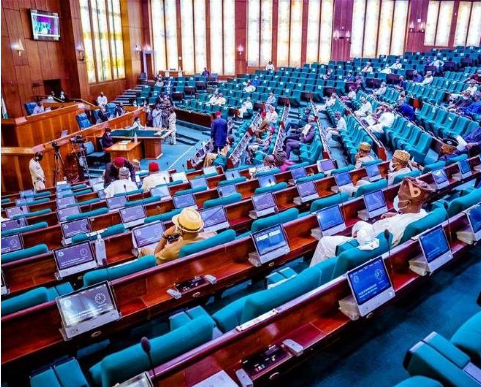
The Nigerian House of Representatives is poised to reignite debate on a quartet of tax reform bills submitted by President Bola Tinubu, following a pledge by the Southern Caucus to engage in thorough legislative scrutiny. These bills, born from the recommendations of the Presidential Committee on Fiscal and Tax Reforms, aim to overhaul the nation’s tax system. The Nigeria Tax Bill 2024 seeks to establish the overarching fiscal framework for taxation, while the Tax Administration Bill aims to clarify the legal groundwork for all taxes, thereby mitigating disputes. The Nigeria Revenue Service Establishment Bill proposes the creation of the Nigeria Revenue Service, replacing the Federal Inland Revenue Service, and the Joint Revenue Board Establishment Bill seeks to establish a tax tribunal and ombudsman.
The introduction of these bills, however, has ignited controversy within the National Assembly, particularly amongst representatives from the northern region. Their resistance stems from concerns voiced by governors in their respective states, leading to a standoff that has stalled the legislative process. This opposition became evident during an executive session, where 48 North-East lawmakers, led by Ahmad Jaha, representing Damboa/Gwoza/Chibok Federal Constituency, expressed their reservations. Jaha highlighted the existing economic hardship in the North-East, exacerbated by insurgency, arguing that further taxation would worsen the plight of their constituents. This sentiment was echoed by 24 lawmakers from Kano, further intensifying the pushback against the proposed reforms.
The controversy extended beyond the legislature, drawing the attention of former Vice President Atiku Abubakar, who advocated for public input before the bills’ passage. He stressed the need for a tax system that is not only fair and equitable but also takes into account the uneven development across different regions of the country. Governor Babagana Zulum of Borno State also questioned the expedited timeline for passing these bills, contrasting it with the two-decade journey of the Petroleum Industry Bill. He urged caution and thorough consideration to ensure the long-term benefits of the reforms.
The stalemate over the tax bills appeared to be nearing resolution following a meeting of the Southern Caucus. The caucus, comprising lawmakers from 17 southern states, expressed their willingness to engage in open dialogue and subject the bills to robust debate. This signals a potential shift in the legislative landscape and opens the door for further negotiations with their northern counterparts. Nicholas Mutu, leader of the Southern Caucus, expressed enthusiasm for the proposed reforms, underscoring their potential benefits for the nation. Frederick Agbedi, representing Sagbama/Ekeremor Federal Constituency, emphasized the National Assembly’s responsibility to legislate for the entire country, dismissing the narrative of a north-south divide.
Babajimi Benson, a lawmaker from Lagos, acknowledged the inherent complexities in crafting national legislation and the inevitability of conflicting interests. He drew parallels to the controversies surrounding the Petroleum Industry Act and the 13 percent derivation fund for oil-producing communities, highlighting the importance of finding common ground. He emphasized the need for lawmakers from all regions to collaborate and reach a consensus in the best interest of the nation.
The willingness of the Southern Caucus to engage in dialogue marks a significant step towards resolving the impasse over the tax reform bills. While differences remain, the renewed commitment to deliberation suggests a potential pathway forward. Kolawole Akinlayo, a lawmaker from Ekiti State, expressed optimism about the bills’ eventual passage, emphasizing the need for continued lobbying and engagement with those who remain opposed. He believes the key lies in demonstrating the potential benefits of these reforms and building consensus across the legislative divide. This renewed focus on dialogue and negotiation offers a glimmer of hope for breaking the deadlock and advancing the tax reform agenda in Nigeria. The coming days will be crucial in determining whether this renewed engagement can bridge the divide and pave the way for the passage of these pivotal bills.








