









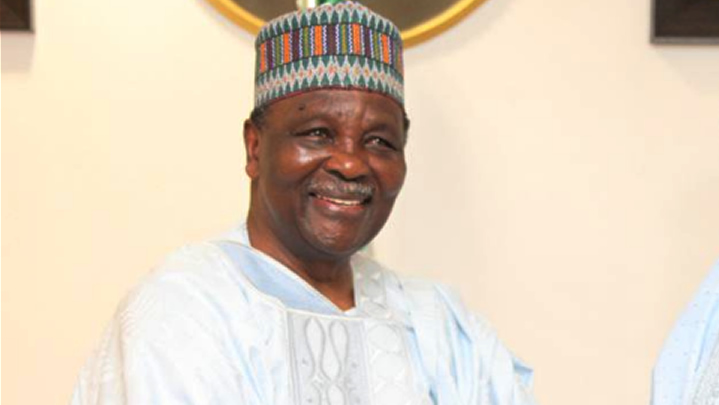
Former Head of State, General Yakubu Gowon (retd.), recently shared a poignant account of his intervention during a turbulent period in Nigeria’s history. Speaking at the inaugural Interdenominational Unity Christmas Carol and Praise Festival held by the Plateau State Government in Jos, Gowon recounted his efforts to secure the life of former President Olusegun Obasanjo. Obasanjo had been sentenced to death in 1995 under General Sani Abacha’s regime due to allegations of plotting a coup. Gowon’s revelations shed light on a critical moment in Nigerian politics, emphasizing themes of compassion, forgiveness, and the intertwining of personal and national destinies that remains relevant today.
During his address, Gowon reflected on the moral duty of leadership, presenting a narrative of personal courage in the face of political injustice. He vividly recalled penning a heartfelt letter to Abacha, entreating him for clemency on Obasanjo’s behalf. In an extraordinary act of devotion, Gowon had even dispatched his wife under the cover of darkness to present the plea directly to Abacha in Abuja. His appeal was rooted in a belief that true leadership should be aligned with good rather than evil actions, illustrating the weight of moral responsibility leaders carry and the potential for such appeals to effect change.
Gowon’s intervention was a pivotal moment that not only altered the fate of Obasanjo but also had reverberating implications for the future of Nigeria. Abacha’s death on June 8, 1998, shortly after Gowon’s appeal, led to a dramatic shift in the political landscape. Obasanjo was released from prison after spending three years incarcerated and went on to become Nigeria’s president in 1999. This transformation from a prisoner to a leader reflected the intricate dance of power, forgiveness, and the unforeseen turns of fate that often define political histories.
The reunion of Gowon and Obasanjo at the carol festival was emblematic of the healing process within Nigeria’s fractured social fabric. The event aimed to promote unity and communal belonging, and the presence of both former leaders underscored the aspirations for reconciliation in a nation that has experienced significant strife. Their collective celebration highlighted a narrative of hope that transcends past grievances, offering a vision for a future marked by collaboration and understanding.
Gowon’s story is not merely an individual tale but a larger commentary on the power of intervention and the significance of moral courage in positions of authority. His act of pleading for Obasanjo resonates with broader themes of justice and civil rights within Nigeria’s historical context. It challenges current and future leaders to consider the human consequences of their decisions and to strive for a legacy defined not just by power but by the compassion shown toward others.
In conclusion, Gowon’s account serves as a poignant reminder of the complexity of Nigerian politics, where personal relationships and moral choices intersect with the broader narrative of governance. The redemption journey of Obasanjo, facilitated through Gowon’s actions, stands as a testament to the potential for transformation and unity. As Nigeria continues to navigate its contemporary challenges, such stories of reconciliation and grace may illuminate pathways toward healing and hope for a better future.









